

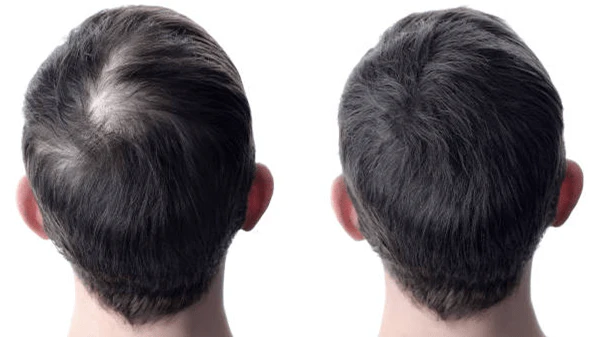
Changes in hair texture and volume can show up gradually or seemingly overnight. You might notice flatter roots, frizz in humid weather, more fragile ends, or curls that behave differently than they used to. These shifts can follow life events like postpartum recovery, medical treatment, stress, or seasonal changes, and they often reflect the combined effects of scalp health, hair care practices, and styling habits. With a thoughtful plan, you can support healthier growth, create the shape you want, and feel more confident day to day.
Understand Why Texture and Volume Change
Hair is sensitive to internal and external factors. Hormonal shifts can influence the growth cycle and sebum production, which affects shine and the way hair holds a style. Heat and chemical services may weaken the cuticle over time, leading to frizz and breakage that reduce overall fullness. Environmental conditions matter too. Humidity can swell the hair shaft and disrupt curl patterns, while dry air can cause static and limp roots.
Start with observation. Note how your hair behaves after washing, on day two or three, and in different environments. Pay attention to the scalp as well. Oiliness, tightness, or flaking can change how roots lift and how lengths separate. A simple log for two to four weeks helps reveal patterns and guides smarter product choices.
Build a Haircare Routine That Supports Your Goals
A supportive routine begins at the scalp. Use a gentle cleanser that removes buildup without stripping. Many people do well alternating between a regular shampoo and a clarifying formula once every one to two weeks to reset the scalp. If you have dryness or flakes, a soothing scalp serum applied to clean, damp skin can reduce irritation and help roots feel lighter.
For mid lengths and ends, choose conditioners and masks that match your current texture. Fine or easily weighed down hair often prefers lightweight, protein balanced formulas that add strength without residue. Coarser or curlier textures may respond better to richer masks that focus on moisture. To improve elasticity, look for products that combine hydrating ingredients with moderate protein. Finish with a leave-in that provides slip and heat protection, since friction and heat are common contributors to frizz and breakage.
Styling Techniques for Lift and Definition
Technique can create a noticeable difference even without new products. For lift at the crown, rough dry your roots with your head slightly forward, then switch to a round brush to polish the top layer. If you prefer low heat, set the crown with large velcro rollers while you get ready, then cool and brush out for soft volume. Root powders or lightweight mousses add structure without stiffness, especially when applied in sections and blow dried with tension.
For waves and curls, apply styling cream or gel to soaking wet hair, then section and scrunch or use a brush to form clumps before diffusing on low heat. Avoid touching hair while it sets to prevent frizz. If you like sleek styles, use a heat protectant and work in small sections at a moderate temperature to reduce the number of passes. Finish with a light serum or shine spray focused on mid lengths and ends to maintain movement at the root.
Smart Tools and Accessories for Fuller Looks
Well-chosen tools can amplify volume and protect texture. A high-quality blow dryer with adjustable heat and speed settings allows you to dry efficiently without overheating. A diffuser attachment preserves curl pattern, while a concentrator nozzle gives you control for smooth blowouts. Brushes matter too. A vented brush speeds drying at the roots, and a mixed bristle round brush can polish without excessive tension.
When you want coverage or a more dramatic boost at the crown, consider hair additions that match your natural texture and color. If you are new to them, look for advice on using a full volume hair topper so it integrates naturally with your part line and layers. Placement, gentle backcombing at anchor points, and a few face‑framing snips from a stylist can make the result look seamless and feel secure for all‑day wear.
Make Salon Services Work for You
A strategic cut can transform texture and volume without adding daily effort. Ask for internal layering that removes bulk where it expands and adds lift where hair tends to lie flat. For fine hair, micro layering, and a slightly shorter perimeter can create the appearance of density. For curls, a curl specific cut that respects your pattern will prevent pyramid shape and encourage bounce. Bring photos of your hair on a normal day and on a good hair day so your stylist can see how it behaves across conditions.
Color is also a useful tool. Subtle highlights create dimension that read as volume, especially around the crown and face. Keep the health of your hair front and center. If you use a lightener, plan for regular deep conditioning and bond supportive treatments. Space appointments sensibly and consider glossing services between color sessions to add shine without additional lightening.
Support Hair from the Inside Out
Daily habits influence how hair grows and how it feels to the touch. Prioritize consistent sleep and stress management, since both can affect shedding patterns and scalp comfort. Aim for balanced meals that include protein, healthy fats, and a spectrum of micronutrients. Hydration helps manage static and dryness, especially in colder months. If you are curious about supplements, discuss them with your clinician to ensure they fit your health profile and do not interact with medications.
Protective practices extend the life of your style. Sleep on a satin or silk pillowcase to reduce friction and consider a loose scrunchie or a soft bonnet to preserve curls and blowouts. Limit tight styles that pull on the hairline and give your hair regular heat breaks. When you do use hot tools, keep temperatures moderate and pass quickly to avoid unnecessary damage.
Conclusion
Texture and volume will evolve, but you can guide the process with thoughtful care. Observe how your hair and scalp respond to products and environments, then build a routine that supports moisture, strength, and comfort. Use styling techniques and tools that create lift or definition without excess heat, and partner with a stylist who understands your goals. With consistent habits and small adjustments over time, you can shape a look that feels authentic, flattering, and easy to maintain.
