

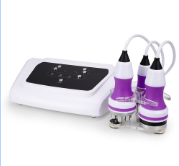
Body contouring procedures have grown in favor in recent years as non-invasive alternatives to standard surgical approaches. These therapies claim to help people attain their ideal body forms with less downtime and fewer hazards than surgery. However, like with any medical operation, safety and efficacy are the primary considerations. This page discusses the numerous types of body-shaping treatments available, their methods of action, safety profiles, and efficacy based on current scientific research.
Types of Body Sculpting Treatments: Safety & Efficacy
Cryolipolysis (CoolSculpting)
Cryolipolysis, also known as CoolSculpting, is the controlled chilling of fat cells to cause apoptosis (cell death) without injuring surrounding tissues. Over the course of several weeks or months, the lymphatic system progressively removes dead fat cells.
Safety Profile:
- Common adverse effects include transient redness, swelling, and bruising at the treatment site.
- Paradoxical adipose hyperplasia, a rare yet significant adverse effect, occurs when fat cells expand rather than decrease.
- Individuals in excellent health who have no previous diseases affecting the liver or circulatory system are generally regarded as safe.
Efficacy:
- Studies show that treated regions get an average fat decrease of 20-25%.
- Results usually become apparent after 1-3 months.
- Individual characteristics such as metabolism and compliance with post-treatment instructions can influence efficacy.
Laser Lipolysis (SculpSure)
Laser lipolysis employs controlled laser light to heat and destroy fat cells. The heat created by the laser damages the fat cells, which are then digested by the body.
Safety Profile:
- Common adverse effects include minor swelling, redness, and discomfort in the treated region.
- Cooling processes help to reduce the risk of burns and hyperpigmentation.
- Most people will benefit from it, but those with skin issues or sensitivities should proceed with caution.
Efficacy:
- Clinical investigations show an average fat decrease of 24% in treated regions.
- Results are usually noticed within 6-12 weeks of therapy.
- Individual lifestyle variables, such as adherence to a balanced diet and exercise plan, might impact effectiveness.
Radiofrequency Lipolysis (Vanquish, TruSculpt)
Radiofrequency lipolysis (RF) uses RF radiation to heat fat cells, causing them to break down. This method works on deeper layers of fat without altering the skin’s surface.
Safety Profile:
- Mild side effects include transient redness, edema, and sensitivity.
- Most people find RF treatments safe, although those who have medical devices (such as pacemakers) or metal implants in the treatment region should avoid them.
Efficacy:
- According to studies, treated regions can reduce fat by up to 30% on average.
- Results can be seen within a few weeks, with the best benefits emerging after 2-3 months.
- Individual factors such as the quantity of fat in the treated region and general health might influence efficacy.
Ultrasound Cavitation (Ultherapy, Vaser Shape)
Ultrasound cavitation is the use of high-frequency ultrasound waves to break down fat cell membranes. This allows the fat cells to release their contents, which are subsequently digested by the body.
Safety Profile:
- Common adverse effects include minor redness, swelling, and discomfort in the treated region.
- Although generally regarded safe, persons with specific medical issues (for example, liver illness) should contact with a healthcare physician before therapy.
Efficacy:
- Clinical studies show that a course of treatments reduces fat circumference by 2-5 cm on average.
- Results are usually noticeable within a few weeks, with the best results seen after many treatments.
- Efficacy may vary based on individual parameters such as fat content and technology employed.
Injection Lipolysis (Kybella)
Injection lipolysis, known under the brand name Kybella, involves injecting deoxycholic acid into specific fat deposits. Deoxycholic acid is a natural chemical in the body that helps digest and absorb dietary fat.
Safety Profile:
- Swelling, bruising, discomfort, and numbness are common adverse effects of injections.
- Rare but significant adverse effects include trouble swallowing and nerve damage, which results in an uneven grin or facial muscle paralysis.
- Suitable for people with localized fat accumulation, especially in the submental region (double chin).
Efficacy:
- Clinical experiments have shown considerable fat loss in the submental region, with apparent improvements after 2-4 treatment sessions.
- The damaged fat cells do not renew; the results are usually permanent.
- The quantity of fat and the individual’s response to therapy may influence the effectiveness.
Mechanisms of Action
Understanding each body-shaping therapy’s mechanics is critical to determining its safety and efficacy.
Cryolipolysis: Controlled chilling causes apoptosis in fat cells, which are subsequently spontaneously removed by the immune system.
Laser Lipolysis: Laser radiation warms and destroys fat cell membranes, causing cell death and subsequent evacuation by the lymphatic system.
Radiofrequency Lipolysis: RF radiation creates heat, which targets fat cells, resulting in thermal damage and cell death.
Ultrasound Cavitation: High-frequency ultrasound waves form microbubbles within fat cells, causing cell rupture and fat release.
Injection Lipolysis: Deoxycholic acid degrades the cell membranes of fat cells, causing cell death and absorption by the body.
Safety Considerations
While body shaping procedures are usually regarded safe, several considerations must be followed to reduce risks:
Patient Selection: Not everyone is an ideal candidate for body contouring procedures. Patients with specific medical problems, such as liver illness, blood disorders, or extreme obesity, may be at a higher risk.
Provider Expertise: The provider’s skills and expertise are critical to assuring safety and efficacy. Qualified and skilled specialists should carry out treatments.
Equipment Quality: The equipment utilized depends on the safety and efficacy of body shaping procedures. Only FDA-approved devices should be used.
Aftercare: Proper post-treatment care, such as staying hydrated and avoiding vigorous activities, and according to the healthcare provider’s particular advice, is critical for achieving the best possible benefits and minimizing side effects.
Combining Treatments for Enhanced Results
Combining several body sculpting machine procedures can improve overall results by addressing different forms of fat and skin tightening. For example, combining cryolipolysis with radiofrequency lipolysis can produce both fat reduction and skin tightness, resulting in a more complete change in body shape.
Patient Satisfaction and Psychological Benefits
Beyond the physical improvements, body shaping procedures can provide considerable psychological advantages. Improved body shape and fat loss can increase self-esteem and body image, which contributes to general mental health. High patient satisfaction percentages are typical, especially when patients have realistic expectations and are aware of the potential results and constraints.
Conclusion
Body sculpting treatments are a viable alternative to standard surgical approaches for people looking to change their body contour with less downtime and danger. Clinical trials and real-world data support the safety and efficacy of these therapies, while individual outcomes may differ depending on a number of factors. To acquire the most outstanding results, patients must pick credible physicians, follow post-treatment care requirements, and keep reasonable expectations. As technology advances, the future of body sculpting is bright, with the possibility of even more effective and safer procedures on the way.
