

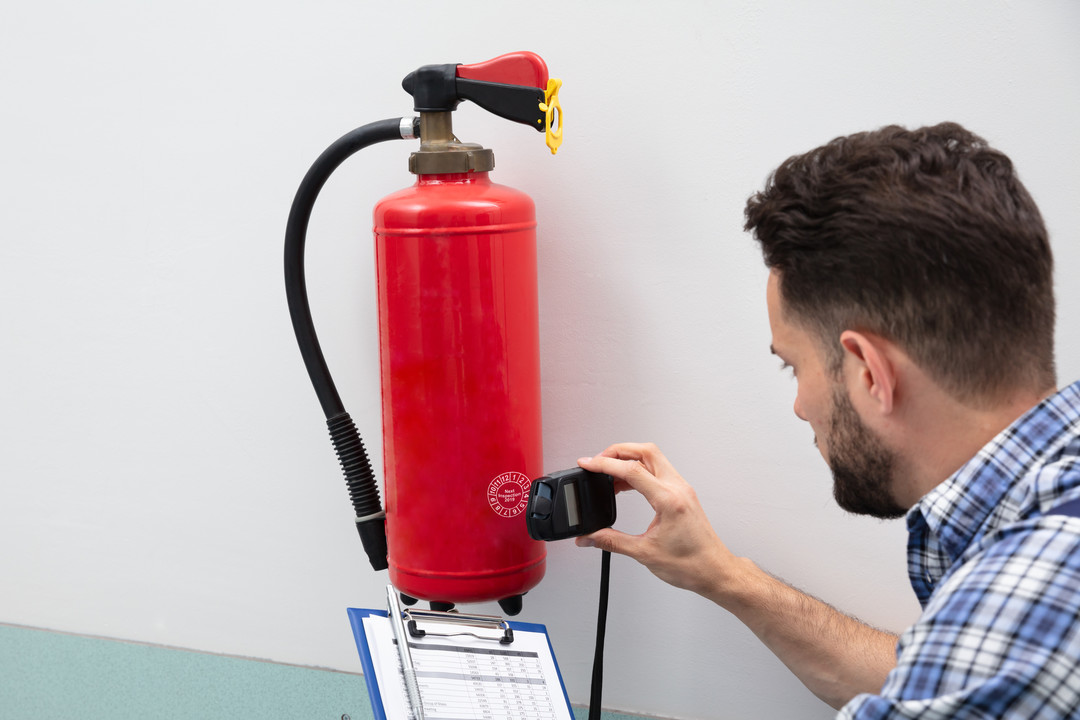
As a business owner, ensuring the safety and security of your premises is of utmost importance. This is to protect your assets and investments and, more importantly, the lives of your employees, customers, and visitors. Incorporating fire inspections and implementing effective security measures are crucial to achieve this goal.
Along with regular fire inspections and security measures, protecting critical electrical components is vital for any business. Installing a fire rated enclosure around junction and splice boxes offers added fire resistance, helping to prevent the spread of flames through electrical systems. This precaution not only safeguards your business but also ensures compliance with safety regulations, providing peace of mind in high-risk environments.
One aspect of fire safety that often gets overlooked is regular fire extinguisher testing. According to the National Fire Protection Association (NFPA), a certified professional must inspect and test all fire extinguishers at least once a year. This includes performing a thorough Fire Extinguisher Performance Test to ensure its functionality in an emergency. We will delve deeper into the importance of fire inspections and security measures for businesses.
Contents
The Role of Fire Inspections
Fire inspections are essential for ensuring the safety of any business. They involve thoroughly assessing potential fire hazards within a building and implementing fire safety measures to prevent and mitigate potential risks.
Local fire departments or certified fire inspectors typically conduct fire inspections. These professionals have the expertise to identify potential hazards and provide recommendations for mitigating them.
Some common areas that are inspected during a fire inspection include:
Fire exits and escape routes
Fire alarms and sprinkler systems
Electrical wiring and equipment
Storage of flammable materials
A fire inspection aims to identify potential hazards and ensure that all necessary safety measures are in place. Regular inspections can catch issues before they become major problems, reducing the risk of fires and minimizing damage in an emergency.
Importance of Security Measures
While fire inspections focus on preventing and mitigating the risk of fires, security measures are crucial for safeguarding a business against theft, vandalism, and even violence. These measures not only protect physical assets but also ensure the safety of employees and customers.
Some common security measures that businesses should consider implementing include:
Access control systems allow businesses to restrict access to their premises and only allow authorized personnel inside.
Surveillance cameras: These can help monitor activities within a building and provide evidence in case of any incidents.
Alarms and motion detectors: These can alert business owners or authorities in case of unauthorized entry or suspicious activity.
In addition to these measures, businesses must have a well-defined emergency response plan in case of security breaches. This plan should include protocols for evacuation, communication with authorities, and ensuring the safety of employees and customers.
Compliance Requirements
In many places, fire inspections and security measures are recommended and required by law. Businesses must comply with these regulations to ensure the safety of everyone involved.
For example, in the United States, the Occupational Safety and Health Administration (OSHA) requires employers to provide a safe workplace for their employees. This includes following fire codes and implementing necessary security measures.
Similarly, businesses may be required to obtain specific permits or licenses for fire safety and security measures in some states or cities. Businesses must stay updated with these requirements and comply to avoid penalties or legal consequences.
Best Practices for Fire Safety and Security
Creating a comprehensive fire safety and security plan involves several best practices. First and foremost, businesses should conduct regular fire drills and security training sessions to ensure all employees are aware of procedures and protocols.
Developing a Fire Safety Plan
A well-developed fire safety plan includes clear evacuation routes, designated assembly points, and employee roles and responsibilities during an emergency. Regularly reviewing and updating this plan ensures it remains relevant and effective.
Regular Maintenance and Updates
Maintaining fire safety and security equipment is crucial. Regularly test fire alarms, sprinkler systems, and security cameras to ensure they function correctly. Replace or repair any faulty equipment immediately to avoid lapses in protection.
Engaging Professional Services
Engaging professional services for fire inspections and security assessments can provide an added layer of expertise. Professional inspectors and security consultants can identify potential risks and recommend solutions that may not be apparent to the untrained eye.
Final Thoughts
Safeguarding your business involves implementing necessary fire inspections and security measures, including a Fire Extinguisher Performance Test to ensure its functionality. These ensure the safety of employees, customers, and assets, help businesses comply with regulations, and protect against potential risks. As a responsible business owner or manager, it is vital to prioritize these measures to mitigate potential threats and maintain a safe environment for all involved. fgtt6v6yh
