

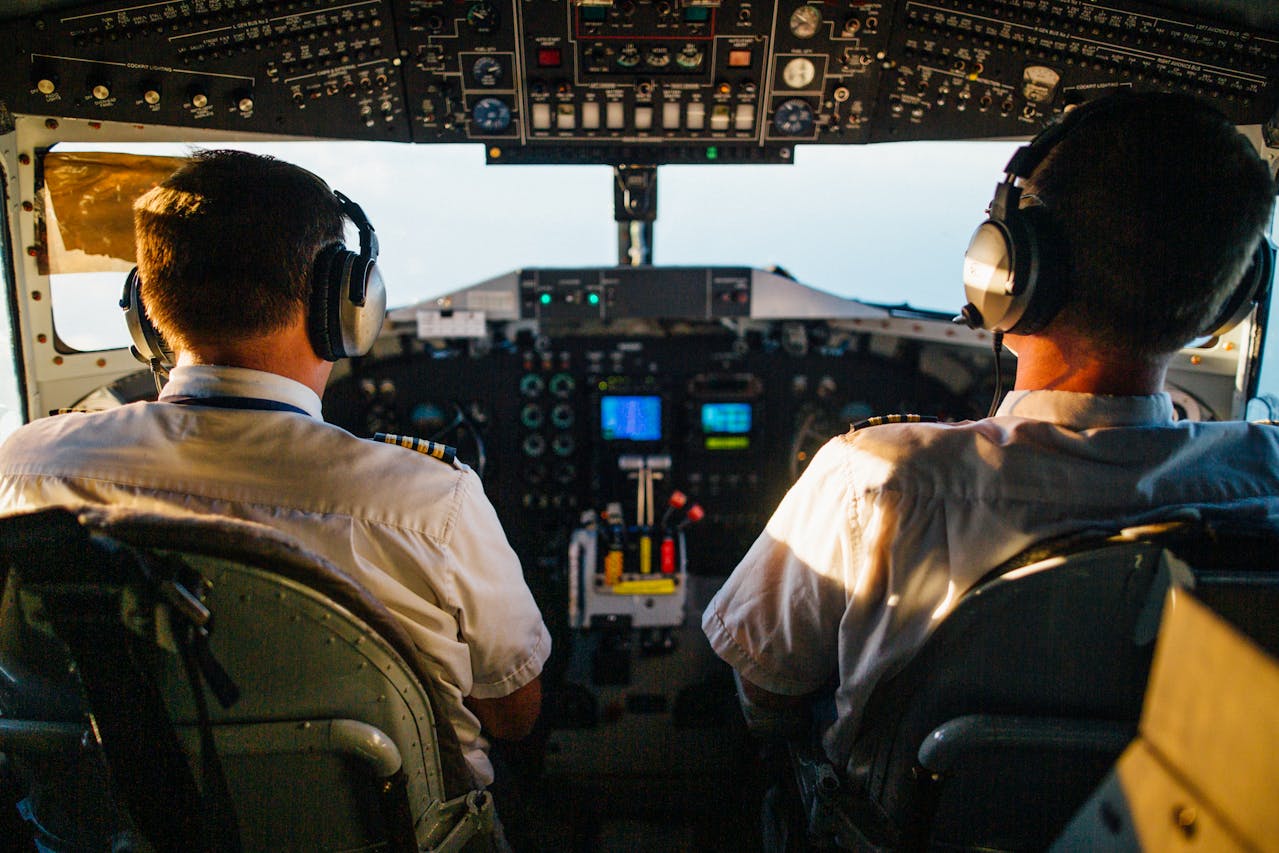
Airplanes need special care to stay in good shape. This extra care stops any problems before they start. It makes travel safe and simple as well as helps the planes stay flying. Preventive maintenance is the finest approach to handling an airplane. It checks and fixes important parts often. This routine check helps find hidden problems. Not only does it stop any failures, but it also saves money. Most importantly, this upkeep helps guard the safety of everyone on board. This article will share more about why regular aircraft maintenance is so vital for keeping planes running strong.
Checking Engine Health
An airplane’s engine is its heart; therefore, maintaining the health of an aircraft depends much on its engine. Frequent inspections help to identify any issues early on, so preventing any unplanned failure. Frequent engine checking helps to preserve its reliability, capacity, and effectiveness. Part of this maintenance is standard practices such as oil changes and filter replacements. Under this area also come additional tasks like looking for any leaks or odd sounds. Using advanced technologies like engine monitoring systems helps one to closely monitor engine performance. This close watch allows instant catching of any irregularities. Taking good care of the engine guarantees safety and avoids unexpected failures.
Keeping the Body Safe
Safety and sturdiness depend highly on the body of the airplane being maintained. Like cars could have rust, planes might also show corrosion or cracks. Frequent viewing of the exterior body helps in the early discovery of these issues. Maintenance calls for looking for dents, rust, or other structural issues likely to weaken the body. Regular use of anti-corrosion treatments helps the body to last more. Correct upkeep guarantees the aircraft body can bear stress during flights. Good maintenance of the body keeps the plane safe and guards against any surprising failures. A sound airframe forms the base for a secure flying experience.
Looking After Electronic Systems
For proper functioning, all electronic systems in an airplane need regular attention. These systems control everything from navigation to communication. Regular checks guarantee that these crucial systems are operating perfectly. Looking after the wires and checking the instruments are parts of standard upkeep. Other tasks include making sure there’s no interference, and the system connections are strong. Using more advanced tests helps see if the electronic systems work well. Close monitoring of these systems avoids any failure that could endanger safety or disrupt a flight. Proper upkeep of electronic systems ensures their reliability, directly improving the total safety and functioning of an aircraft.
Keep Routine Maintenance Schedules
For optimal performance, every aircraft must adhere to a strict maintenance schedule. Industry standards establish specific timelines for essential checks and upkeep procedures. Pilots and maintenance crews must be informed about these schedules through regular records. Following the prescribed schedules guarantees that routine checks are not skipped and necessary repairs are done on time. Standard operating procedures help prioritize aircraft checks during downtime at airports. Any discovered issues are immediately addressed, ensuring readiness for flight. Observing maintenance schedules helps avoid unexpected failures, ensures aircraft dependability, and boosts operational effectiveness. Regular care transforms flying into a safe and dependable experience for all.
Ensuring Hydraulic System Reliability Through Proper Fluid Maintenance
An aircraft’s control systems, landing gear, and brake systems all depend on hydraulic fluid, which is, therefore, maintenance-critical for flight safety. Timely replacement of hydraulic fluid and regular inspections help to avoid contamination, degradation, and system failures that can cause expensive repairs or, worse, in-flight crises. Using the right type of fluid, such as 5606 hydraulic fluid, guarantees the best performance since it has great viscosity stability and anti-wear properties. Monitoring for leaks, verifying fluid levels, and looking for evidence of oxidation or moisture contamination should all be part of preventative maintenance. Emphasizing the need for proactive care in aviation safety, neglecting hydraulic fluid maintenance can cause slow control response, increased wear on system components, and even total hydraulic failure.
Conclusion
Preventive maintenance is a must in keeping the aircraft safe and operational. When planes have their engines checked, bodies mended, and electronic systems are taken care of, it makes certain that those airplanes remain secure and reliable to fly in. Also, following strict maintenance routines stop any unexpected issues from cropping up. This upkeep not only saves money but also increases the dependability of airplanes. More so, it gives assurance that everyone flying is safe. The importance of regular checks in avoiding aircraft failures cannot be overlooked within the aviation business; it’s key to having a secure and effective air travel system.
