

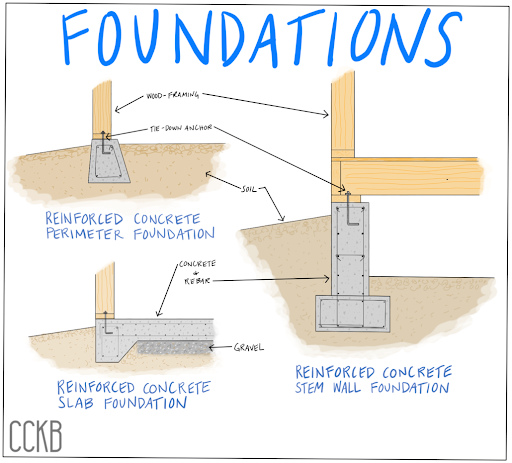
The prioritization of specific foundational requirements is critical in ensuring the success and sustainability of a metal building construction project. The foundation itself forms the bedrock of stability and knowing its nature makes a difference when deciding on the right type of foundation. Metal buildings remain sought after due to their affordability and durability as well as their optional multiple uses. Aspects of quality foundations ensure efficient construction, durability and resistance to external forces. Knowing the different types of foundations and their particular demands also ensures informed decisions, beneficial construction, long-term performance and selecting a base corresponding to the suggested building ground’s particular demands and environmental conditions.
Why Concrete Is a Staple for Metal Buildings
Concrete serves a fundamental function in a metal building’s strength and stability. It gives a firm foundation upon which the building can be rested, supporting heavy loads and high winds as well as changing soil conditions. The metal building can become permanently affixed and vulnerable to movement and damage without concrete over time. Numerous builders choose metal buildings packages with concrete since they utilize the prefabrication’s convenience and a concrete base for durability. Construction becomes much simpler and less cumbersome while eliminating the guesswork from the building method through metal building packages and concrete. Regardless of whether you’re building a workshop, a storage building, or a commercial building, concrete used in your metal building is a smart choice that improves performance as well as satisfaction.
Types of Concrete Foundations for Metal Buildings
Concrete foundations for metal buildings exist in a number of forms, each possessing special advantages. Slab foundations would be used in smaller buildings without any underfloor utility accessibility and provide a level, flat profile. Pier foundations would be ideal for areas in a seismically active region or where added stability would be necessary and deep piers set well below ground would be used as a strong base. Crawlspace foundations would be ideal for areas requiring underfloor accessibility and a raised building above ground level, which would be important for flood-prone areas.
Key Considerations when Selecting a Foundation Type
Before selecting a type of foundation, a number of important issues must be taken into account. The weather, soil type, building load and function must be understood. Buildings in areas prone to earthquakes could be better served by pier foundations as their strong support will be beneficial in this situation. However, buildings in better-dry climates and steady soil conditions could be served better by slab foundations. Soil humidity levels must also be a deciding factor. These elements must be weighed for the selected type of foundation to be used efficiently and for a long duration.
Preparing the Site for a Concrete Foundation
Site preparation is a part of the construction process that encompasses a number of key aspects. Removal of debris, terrain levelling, and the implementation of necessary drainage systems are key elements necessary for long term foundation strength. Not only is good site preparation a matter of looks but functionality as well—it allows the building construction to take place smoothly and the base remains strong and stable for years without calling for costly repairs. Stringent attention to issues like ground stability and probable runoff conditions will prevent future issues from affecting the building’s strength or adding a cost burden later on.
Steps to Laying a Concrete Foundation
To establish a firm concrete base, begin by removing obstructions, rubble, and vegetation, levelling the area and installing formwork. Note down the measurement and accuracy in order to form a stable and strong base. Insert steel rods or wire mesh inside the formwork for reinforcement, particularly for heavy loads or regions experiencing environmental stress. Smoothly and evenly apply the concrete so there are no pockets of air or sections of unevenness. Let the concrete set and harden for a set amount of time in order to achieve maximum strength and durability. Correct curing allows the concrete to be resistant to numerous stresses over time.
Common Challenges and Solutions
No matter how carefully things are planned, trouble like uneven setting or cracking may happen at the time of laying foundations. Fortunately, most of these problems can be anticipated and prevented through good planning and implementation. They highlight the necessity of employing the correct mixture and the right curing times. Experienced professionals employed for the laying of foundations will guarantee quality standards and minimize possible defects so that the installation runs without any hassles.
Conclusion: Getting it Right the First Time
An educated method of knowing what concrete foundations require is vital for the success of metal building construction. It is possible to find suitable foundations that uphold strength and stability by paying close attention to important aspects such as environmental conditions and conducting adequate preparation on the grounds. A good foundation holds the building firm and gives assurance of long-lasting durability and safety. If these aspects are taken care of from the very beginning, the outcome is a strong building able to perform as expected for a very long time.
