

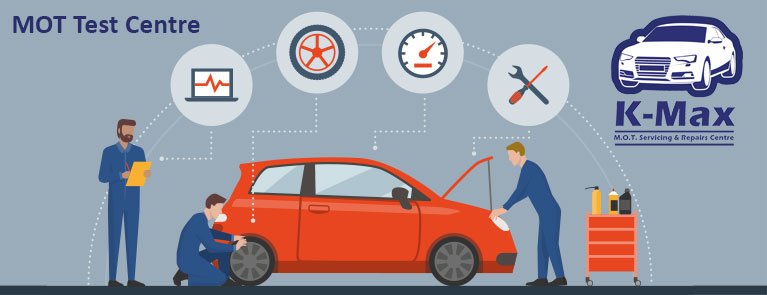
An MOT boot is an essential component in a vehicle’s safety and compliance check during the MOT test. While many focus on brakes, lights, and emissions, the condition of the boot (trunk) also plays a role in passing or failing the test. If the boot lid fails to open or close properly, it can be flagged as a defect, leading to an MOT failure.
- The MOT test ensures road safety and vehicle functionality.
- The boot must open and close smoothly for inspection purposes.
- Damaged or faulty latches may lead to an MOT failure.
- Structural issues in the boot area could be considered a safety risk.
The MOT boot inspection is often overlooked but remains important for compliance. Understanding how the boot’s condition affects your vehicle’s roadworthiness can help prevent unnecessary failures.
What Is an MOT Boot?
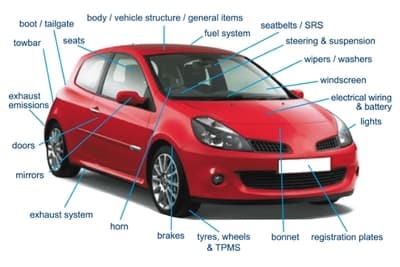
An MOT boot refers to the trunk (boot) of a vehicle, which is subject to inspection during an MOT test. If it fails to function correctly, the vehicle may not pass.
- The boot is classified as a door, meaning it must function properly.
- It should be easily accessible for the tester to check for safety concerns.
- Faulty hinges, latches, or excessive rust can contribute to failure.
- Severe body damage to the boot area might affect the car’s structural integrity.
Ensuring the boot is in working condition is necessary to avoid unnecessary MOT failures.
Purpose and Functionality of an MOT Boot
The boot’s primary role is to provide storage space while also contributing to a car’s structural stability.
- It must be securely closed while driving to prevent hazards on the road.
- A damaged boot lid may affect rear visibility, impacting safety.
- The boot area may house spare tires, emergency kits, or electrical components, which need to be secure and accessible.
If the boot cannot be accessed or has significant defects, it could result in an MOT advisory or failure.
Types of MOT Boots and Their Uses
Different vehicle designs impact how the MOT boot functions. Some common types include:
- Saloon Boot – Separate compartment, typically checked for accessibility.
- Hatchback Boot – Integrated into the rear, requiring a fully functional opening mechanism.
- SUV Boot – Often larger, sometimes including electronic components that must work correctly.
- Convertible Boot – Mechanically complex, with moving parts that need proper inspection.
Each type must meet MOT safety standards, ensuring that locking mechanisms and access points function as required.
How an MOT Boot Affects Vehicle Operation
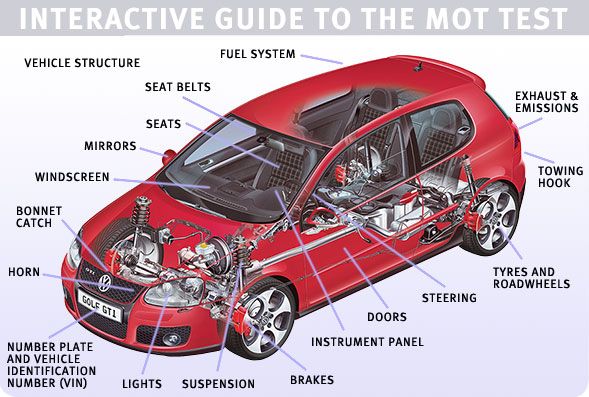
A faulty MOT boot can impact a vehicle’s performance and safety in different ways:
- Inability to store essential items like a spare wheel or repair tools.
- Structural weakness in case of rear-end collisions.
- Water leakage due to faulty seals, leading to electrical failures.
- Security risks if the boot lock malfunctions, making it easy for theft.
A properly working boot ensures a secure driving experience and compliance with MOT standards.
Legal Implications of an MOT Boot
The MOT test is a legal requirement, and failing it due to boot-related issues can have consequences.
- A non-functioning boot may result in an MOT failure, requiring repairs before driving.
- If the boot lid is dangerously loose, it could be classified as a major defect.
- Driving without a valid MOT certificate can result in fines up to £1,000.
To avoid these issues, always check the boot’s condition before an MOT test.
Reasons a Vehicle May Receive an MOT Boot Failure
Certain boot-related issues may cause an MOT failure:
- Boot lid doesn’t open or close properly.
- Excessive rust or structural damage around the boot area.
- Broken or missing latch mechanism.
- Water damage or faulty electrical components inside the boot.
Regular maintenance and pre-MOT checks can prevent failures.
How to Remove or Resolve an MOT Boot Issue
Dealing with an MOT boot issue is crucial to ensure your vehicle passes its MOT test without complications. If your boot fails inspection, resolving the problem quickly is essential.
- Check the Latch Mechanism – If the boot doesn’t lock or open properly, inspect the latch, hinges, and release mechanism. Cleaning or lubricating these parts can often fix minor issues.
- Repair or Replace Faulty Components – If the lock, handle, or electronic boot release isn’t working, replacing them before the MOT test is necessary.
- Address Structural Damage – Any excessive rust or dents affecting the boot lid’s integrity must be repaired. Welding or panel replacement may be required.
- Check for Water Leaks – Water accumulation in the boot can cause electrical failures or corrosion, leading to an MOT advisory or failure.
- Ensure the Boot Opens from the Outside – If the tester cannot access the boot, your car may fail. The boot must open properly to be considered roadworthy.
Resolving MOT boot issues before your test will save time, money, and inconvenience.
MOT Boot vs. Other Types of Vehicle Immobilization
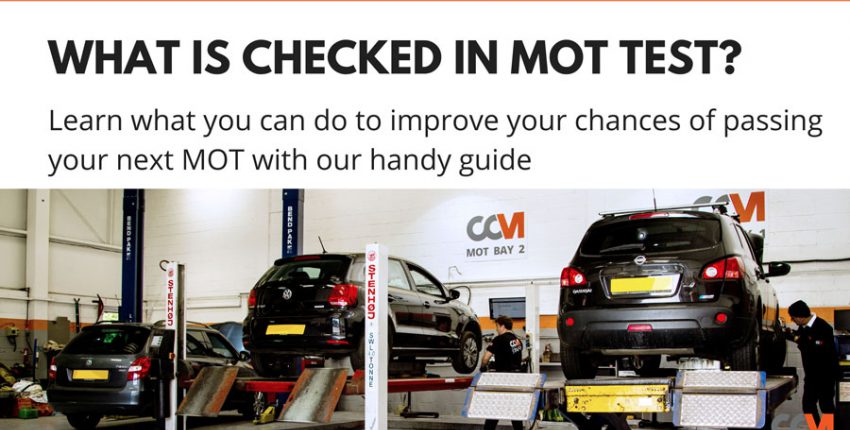
An MOT boot is different from other forms of vehicle immobilization, such as clamping, wheel boots, and legal penalties.
- MOT Boot – A failure related to the trunk (boot) that could cause an MOT test failure, making the vehicle legally undriveable until repaired.
- Wheel Clamping (DVLA or Police) – When authorities clamp a vehicle due to illegal parking, unpaid fines, or lack of road tax.
- Electronic Immobilization – A car’s built-in security system prevents unauthorized use, often due to an engine control failure or key fob issues.
- Court-Imposed Immobilization – Some vehicles can be legally impounded due to serious violations, such as insurance fraud or unpaid road tax.
Unlike clamping or impoundment, an MOT boot failure doesn’t prevent you from owning the car, but it makes it illegal to drive without passing the MOT test.
Preventing an MOT Boot on Your Vehicle
Regular maintenance is the best way to avoid MOT boot failures and ensure your vehicle is road-legal.
- Check the Boot Lock Regularly – Ensure the boot latch, handle, and locking system function correctly.
- Inspect for Rust and Structural Damage – Address corrosion early to prevent issues during the MOT test.
- Keep the Boot Weatherproof – Replace rubber seals if you notice water leaks or condensation inside the boot.
- Test Boot Functionality Before an MOT – Confirm that the boot opens and closes smoothly from the outside.
- Fix Any Electronic Boot Issues – If your car has an automatic or sensor-based boot system, check for malfunctions before the test.
Proactive maintenance and repairs will reduce the risk of MOT-related failures.
Cost and Fees Associated with an MOT Boot
Fixing an MOT boot issue can involve various costs, depending on the severity of the problem.
| Issue | Estimated Cost (£) |
| Boot latch repair | £50 – £150 |
| Boot lock replacement | £75 – £200 |
| Electronic boot repair | £100 – £400 |
| Welding for rust damage | £150 – £500 |
| MOT retest fee | £20 – £50 |
- If your car fails due to an MOT boot issue, you’ll need to fix the problem and book a retest.
- Some garages offer free MOT retests if the issue is resolved within 10 working days.
- Severe structural damage may result in higher repair costs.
Understanding these potential costs helps you budget for necessary repairs.
Common Misconceptions About MOT Boots
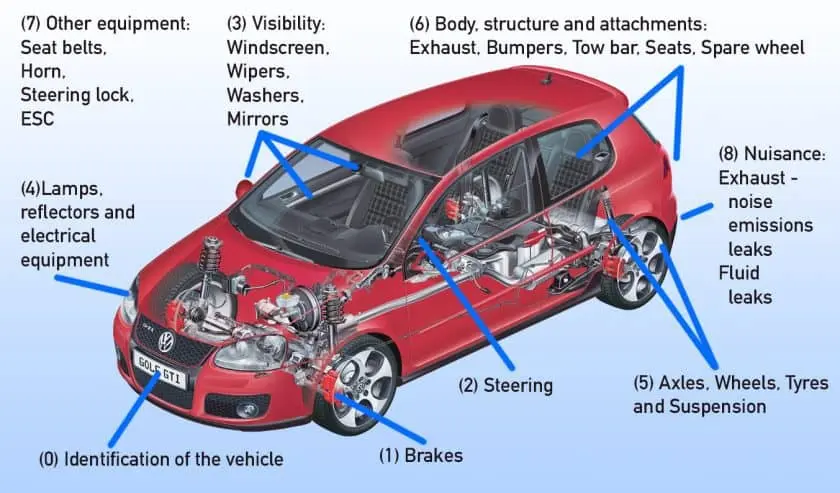
Many car owners misunderstand the importance of the MOT boot inspection, leading to false assumptions about its impact on the MOT test.
- “A faulty boot won’t fail my MOT.” – If the boot doesn’t open or close properly, it can lead to failure.
- “Only major car parts affect an MOT.” – Small safety-related defects, like a faulty boot latch, are considered during inspection.
- “Electronic boot issues don’t matter.” – If an electronic boot release doesn’t function, it may be flagged as a fault.
- “Rust in the boot area is not an issue.” – Excessive rust or structural weakness can affect your vehicle’s integrity, leading to an MOT failure.
- “The boot isn’t checked during an MOT.” – The boot is considered a door, and the tester must be able to access it.
Avoiding these misconceptions will help you stay prepared for your MOT test.
By maintaining a fully functional boot, you prevent MOT failures, reduce repair costs, and keep your vehicle roadworthy.
Frequently Asked Questions about MOT Boot
Does a faulty boot always cause an MOT failure?
Not always. However, if it doesn’t open properly, or if it poses a safety risk, the vehicle might fail.
Can I still pass my MOT if my boot won’t stay open?
Yes, as long as the boot can be opened and closed properly from the outside.
What should I do if my boot doesn’t lock properly?
Fix or replace the latch mechanism before the MOT test to avoid failure.
Does water inside the boot affect the MOT?
Yes, if it causes electrical issues or structural damage, it may be flagged as a fault.
Can a damaged boot lid impact my MOT result?
Yes, especially if it affects rear visibility or is deemed a security risk.
Are electronic boot mechanisms checked during an MOT?
Yes, electronic components must function correctly for a pass.
How can I prepare my boot for an MOT test?
Ensure it opens and closes properly, and check for rust, damage, or locking issues.
Conclusion on MOT Boot Inspection
The MOT boot check ensures functionality, safety, and compliance with UK road laws. A faulty boot can lead to an MOT failure, resulting in delays and extra costs. Pre-MOT checks can help ensure your vehicle passes without issues.
By maintaining a fully functional boot, you improve your vehicle’s safety, usability, and legal compliance. Always inspect the boot lid, locks, and surrounding structure to prevent unnecessary MOT failures.
