

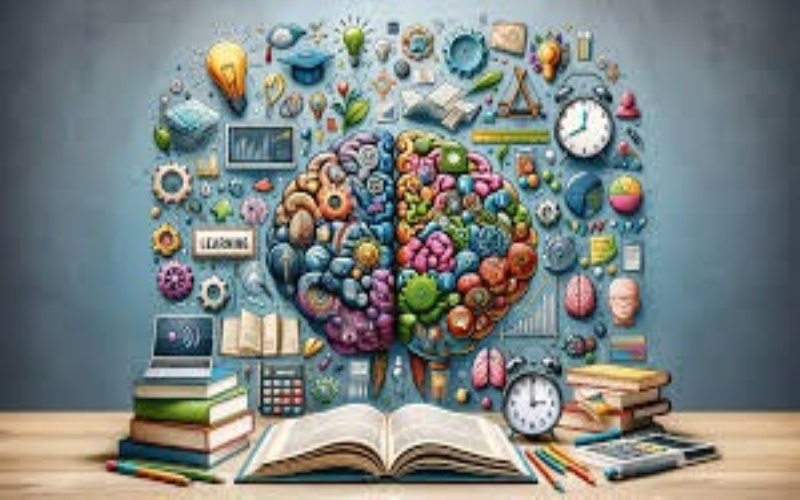
In the fast-paced world of education, mastering the art of rapid learning can be the difference between success and struggle. One of the most effective tools for enhancing memory retention and speeding up the learning process is the use of flashcards. This article delves into the various techniques and strategies that can help you maximize your learning potential through flashcards.
The Science Behind Flashcards
Flashcards are a time-tested educational tool that leverages the power of active recall and spaced repetition. Active recall involves actively stimulating memory during the learning process, which has been shown to significantly improve retention. Spaced repetition, on the other hand, involves increasing intervals of time between subsequent reviews of previously learned material, which helps transfer knowledge from short-term to long-term memory.
Choosing the Right Flashcard System
Selecting the right flashcard system is crucial for effective learning. While traditional paper flashcards are still popular, digital flashcard systems offer several advantages, including portability, ease of organization, and integration with spaced repetition algorithms. One of the most well-regarded digital flashcard systems is Anki. Anki for MCAT preparation, for instance, has gained immense popularity due to its effectiveness in helping students retain vast amounts of information.
Techniques for Creating Effective Flashcards
1. Be Concise
The key to effective flashcards is brevity. Each flashcard should focus on a single piece of information or concept. This helps prevent cognitive overload and makes it easier to review and recall information quickly.
2. Use Images and Mnemonics
Incorporating images and mnemonic devices can significantly enhance memory retention. Visual aids make the information more engaging and easier to remember. For instance, when studying anatomy, including diagrams of the human body can help reinforce learning.
3. Formulate Questions and Answers
Instead of merely writing down facts, turn the information into questions and answers. This technique encourages active recall and makes the review process more interactive. For example, instead of writing “The capital of France is Paris,” formulate it as “What is the capital of France?”
4. Leverage Spaced Repetition
Utilize a system that supports spaced repetition to ensure that you review information at optimal intervals. Anki for MCAT and other standardized exams is particularly effective in this regard, as it automatically schedules flashcards based on your performance, helping you focus on areas that need more attention.
5. Regularly Update and Refine
As you progress in your studies, regularly update and refine your flashcards. Remove cards that you have mastered and add new ones for topics that require more review. This keeps your study sessions efficient and focused.
Study Strategies for Flashcards
1. Daily Review Sessions
Consistency is key when it comes to using flashcards. Dedicate a specific time each day for review sessions. Even a short daily session can be highly effective in reinforcing learning and preventing forgetting.
2. Mix Up Subjects
Avoid studying the same subject for extended periods. Mixing up subjects during your review sessions can improve memory retention and prevent burnout. For example, you might spend 20 minutes reviewing biology flashcards, followed by 20 minutes on chemistry.
3. Use Active Recall
During your review sessions, actively recall the information on each flashcard before flipping it over. This strengthens neural connections and enhances memory retention. If you’re using Anki for MCAT preparation, take advantage of its built-in active recall features to maximize your learning.
4. Self-Testing
Periodically test yourself without looking at the answers. This not only reinforces learning but also helps identify areas where you need to focus more. You can create mock exams or quizzes using your flashcards to simulate test conditions.
Advantages of Using Flashcards
1. Portability
One of the biggest advantages of flashcards is their portability. Whether you’re using physical cards or a digital system, you can review them anywhere – on the bus, during a lunch break, or before bed.
2. Customizability
Flashcards are highly customizable to suit your learning style. You can create cards that cater specifically to your needs, whether that involves text, images, or even audio clips.
3. Efficiency
Flashcards make learning more efficient by breaking down information into manageable chunks. This allows for focused and effective study sessions, especially when time is limited.
Flashcards in Different Fields
1. Medical Studies
Medical students often rely heavily on flashcards to memorize vast amounts of information. Anki for MCAT is a prime example of how flashcards can be tailored to suit the needs of students preparing for rigorous exams.
2. Language Learning
Flashcards are invaluable for language learners. They can be used to memorize vocabulary, and grammar rules, and even practice sentence construction. Digital flashcards can also incorporate audio to improve pronunciation and listening skills.
3. Professional Exams
Professionals preparing for certification exams can benefit greatly from flashcards. They help in systematically covering the vast syllabus and ensuring thorough preparation.
Conclusion
Mastering the use of flashcards can significantly enhance your learning efficiency and retention. By leveraging techniques such as active recall, spaced repetition, and regular review sessions, you can transform the way you study. Whether you’re preparing for medical exams, learning a new language, or tackling professional certifications, flashcards offer a versatile and effective tool to help you achieve your goals.
Incorporate these strategies into your study routine and experience the transformative power of flashcards. And if you’re preparing for a significant exam like the MCAT, consider using Anki for the MCAT to give yourself an edge. With dedication and the right techniques, you can master the art of rapid learning and achieve academic success.
