

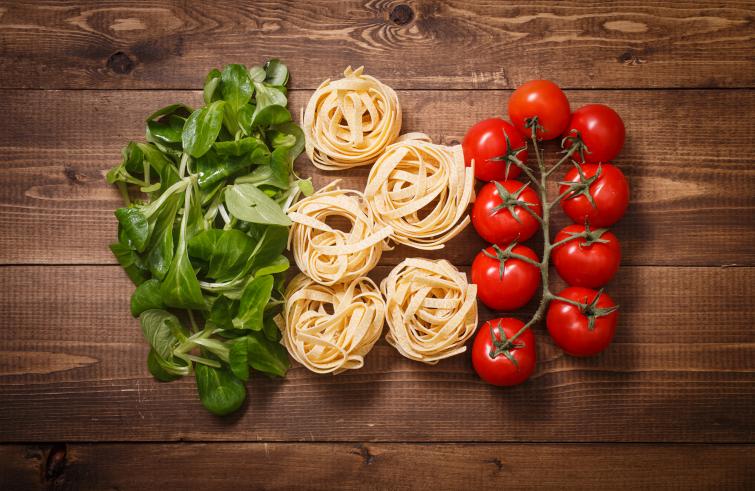
The claim that Italians dont use tomato paste is a common misconception. Traditional Italian cuisine is deeply rooted in fresh ingredients, slow cooking, and authentic flavors. However, tomato paste, known as “concentrato di pomodoro”, does exist in Italian cooking, though it is not always a primary ingredient.
Many believe that Italian chefs rely only on fresh tomatoes, passata, or canned San Marzano tomatoes to create their signature sauces. While this is often true, tomato paste still plays a role in certain recipes, especially for adding depth, richness, and color to dishes. Understanding its historical use, preparation methods, and role in Italian cooking helps clarify this misconception. So, do Italians actually use tomato paste, or is it just an outsider’s misunderstanding?
Historical Use of Tomatoes in Italian Cuisine
Tomatoes were not originally native to Italy. They arrived in Europe from the Americas in the 16th century, introduced by Spanish explorers. At first, tomatoes were viewed with suspicion, as many believed they were poisonous. It wasn’t until the 18th century that Italians fully embraced them, leading to the creation of iconic dishes like pasta sauces, pizza, and stews.
Over time, Italians developed various methods for preserving tomatoes, including drying, canning, and making tomato paste. However, the focus remained on freshness. Southern Italian regions like Campania and Sicily perfected the art of growing sweet, flavorful tomatoes, leading to recipes that relied more on pureed or fresh tomatoes rather than processed paste. Despite this, tomato paste became a convenient way to add intensity to sauces when fresh tomatoes were not available.
What is Tomato Paste and How is It Made?
Tomato paste is a highly concentrated form of tomatoes, created by cooking them down until most of the water evaporates. The process involves:
- Cooking fresh tomatoes to break them down.
- Straining the mixture to remove skins and seeds.
- Slowly reducing the liquid until it becomes a thick, dark red paste.
- Preserving it in jars or tubes for long-term use.
In Italy, tomato paste is sold in two main forms:
| Type | Description |
| Concentrato di Pomodoro | A thick, rich paste, often sold in tubes. Used in small amounts for added flavor. |
| Estratto di Pomodoro | A more intense, sun-dried paste, common in Sicilian cooking. |
Traditional Italian Cooking Methods with Tomatoes
Authentic Italian cuisine focuses on enhancing natural flavors, rather than masking them. This is why many Italian recipes prioritize fresh or canned tomatoes over paste. Some key techniques include:
- Slow cooking sauces to allow flavors to develop naturally.
- Using high-quality olive oil, garlic, and herbs to enhance taste.
- Crushing or pureeing fresh tomatoes instead of using paste.
- Reducing tomato sauces naturally, without relying on paste for thickness.
Regional variations exist—Northern Italy tends to use more butter and cream-based sauces, while Southern Italy relies heavily on tomatoes, olive oil, and seafood. In both cases, tomato paste is used sparingly.
Do Italians Actually Use Tomato Paste?
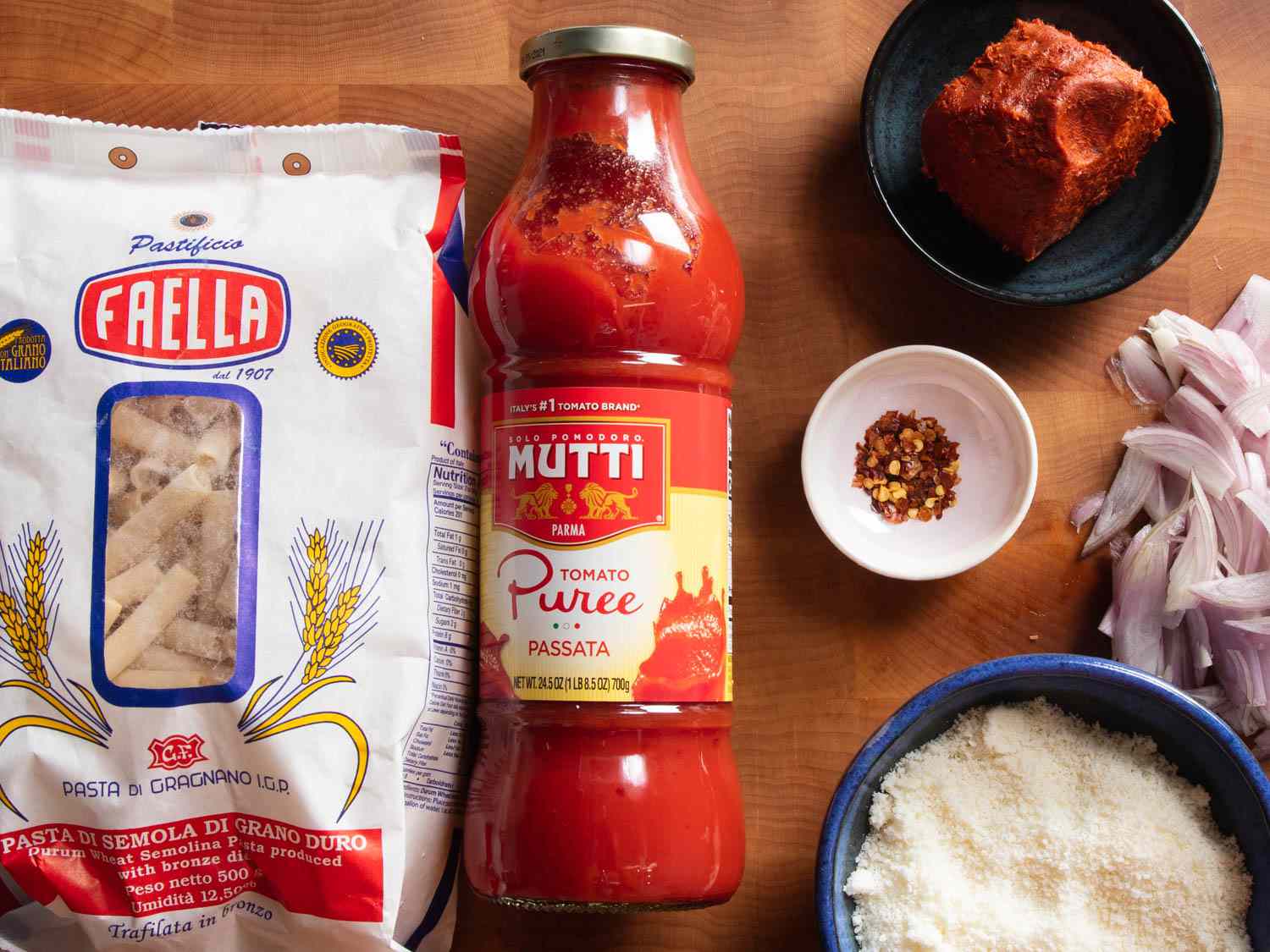
The simple answer is yes, but not as often as people think. Italian cooks prefer using passata (tomato puree) or whole peeled tomatoes, but tomato paste is used in certain dishes for extra depth and color. Some examples include:
- Meat-based ragù sauces, like Bolognese, where paste adds richness and umami.
- Stews and braised dishes, where a small amount of paste enhances the sauce.
- Traditional Sicilian recipes, such as Caponata, which sometimes include tomato paste.
However, in everyday cooking, Italians rely more on fresh tomatoes or high-quality canned varieties. The idea that Italians never use tomato paste is a myth, but its role is far more limited than in American-style Italian dishes.
Popular Italian Dishes That May Include Tomato Paste
While Italians don’t use tomato paste as frequently as some believe, it does have a place in specific traditional dishes. The key is using it in moderation to enhance depth and richness rather than as a primary tomato source. Some notable dishes include:
- Ragù alla Bolognese – A slow-cooked meat sauce that benefits from a small amount of tomato paste.
- Osso Buco alla Milanese – A braised veal shank dish where tomato paste helps build a rich sauce.
- Cacciucco – A Tuscan seafood stew, where tomato paste adds color and thickness.
- Caponata – A Sicilian eggplant dish, sometimes enhanced with tomato paste for added depth.
- Stracotto di Manzo – An Italian pot roast where tomato paste helps thicken the sauce.
In each of these dishes, fresh or canned tomatoes remain the primary ingredient, while tomato paste is used in small amounts to enhance umami flavors.
Alternatives to Tomato Paste in Italian Cooking
Since traditional Italian cooking emphasizes freshness, many chefs prefer alternatives to store-bought tomato paste. Some natural substitutes include:
| Alternative | How It’s Used in Italian Cooking |
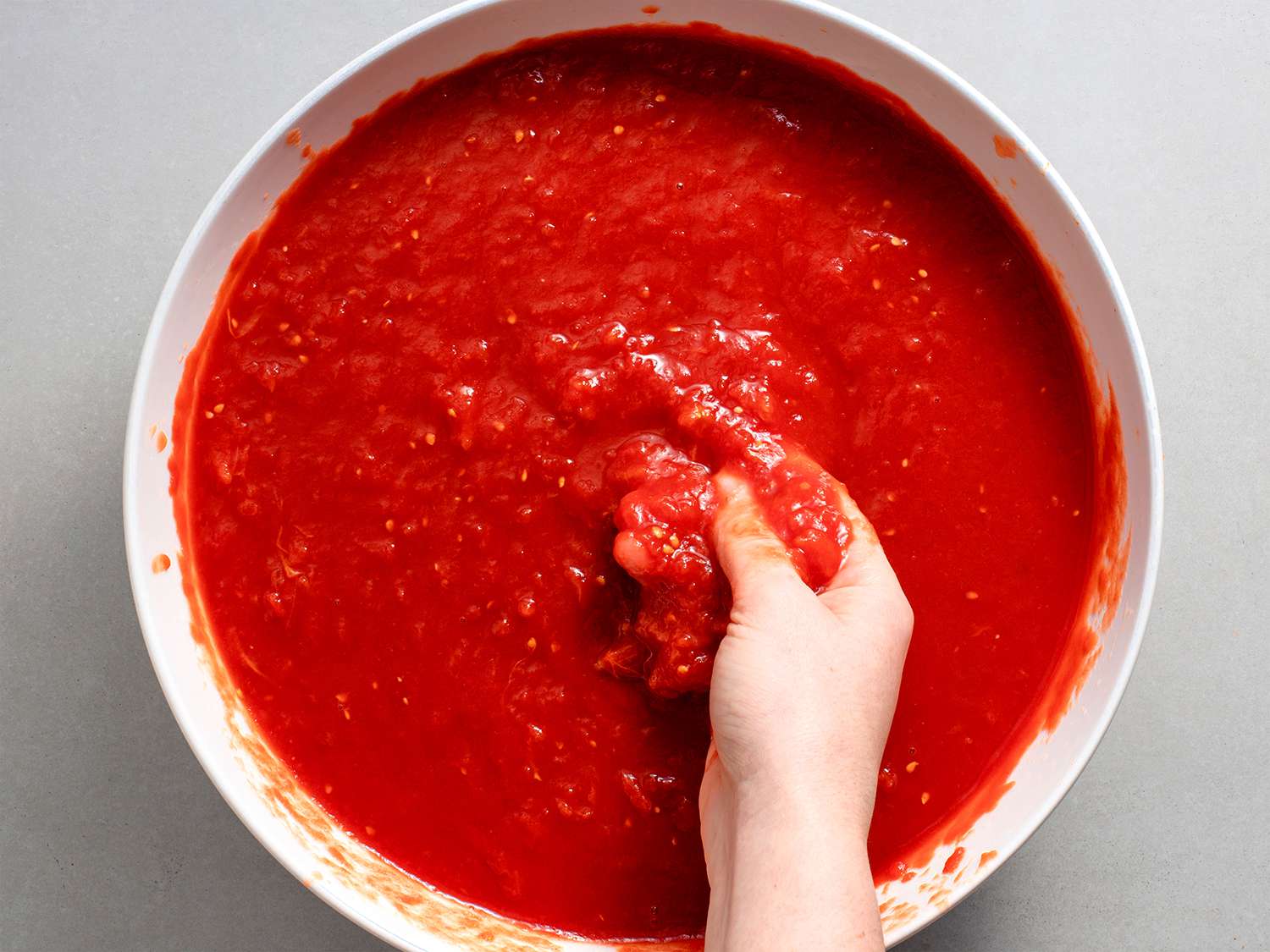
| Passata | Smooth, pureed tomatoes used in most pasta sauces. |
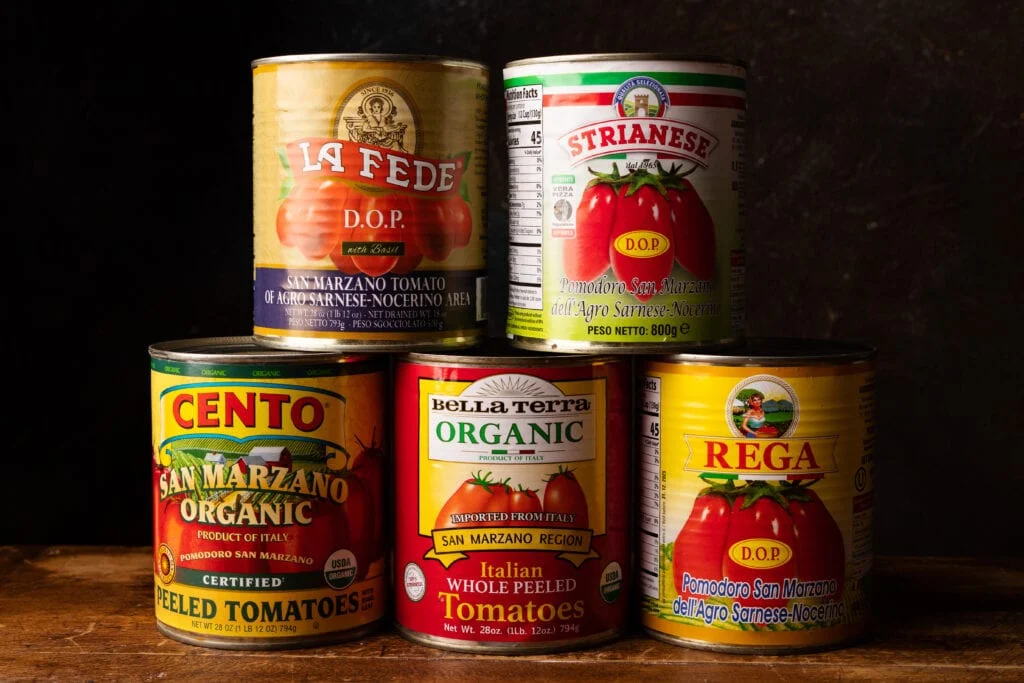
| San Marzano Tomatoes | High-quality canned tomatoes, often crushed for sauces. |
| Tomato Concentrate (Estratto di Pomodoro) | A sun-dried Sicilian alternative to commercial paste. |
| Roasted Tomatoes | Slow-roasted and blended for a rich, thick texture. |
| Tomato Powder | A dried form of tomatoes used to add depth to stews. |
Instead of thickening with paste, Italian chefs let sauces simmer longer to naturally reduce and intensify flavors.
Regional Differences in Tomato Usage Across Italy
Tomato usage in Italy varies depending on the region and culinary traditions. Some areas incorporate tomato paste more than others, but it is rarely a dominant ingredient.
- Northern Italy – More butter-based and cream-based sauces, with tomatoes used less frequently. Bolognese sauce may contain a little tomato paste for color and depth.
- Central Italy – Tomato-based dishes are common, but they rely on whole tomatoes, passata, or fresh ingredients instead of paste.
- Southern Italy – This region uses tomatoes the most, with San Marzano and cherry tomatoes being the favorites. Sun-dried tomato paste (Estratto di Pomodoro) is sometimes used in Sicilian dishes.
While tomato paste exists in Italy, it is not as central to cooking as it is in Americanized Italian cuisine.
Misconceptions About Italian Cooking Outside of Italy
Many people outside of Italy assume that Italians use tomato paste in most recipes, but this is not true. Some common misconceptions include:
- Italian sauces are always thick – Authentic sauces tend to be lighter and fresher, relying on natural reduction rather than paste.
- Tomato paste is essential for Italian food – Many Italian chefs prefer fresh tomatoes, passata, or canned tomatoes instead of concentrated paste.
- All Italian dishes have a tomato base – In Northern Italy, many sauces are butter-based, wine-based, or cream-based rather than tomato-based.
- Store-bought tomato paste is the same as Italian “Estratto” – The Sicilian sun-dried tomato paste is richer and more intense than typical store-bought versions.
These misunderstandings often come from American-style Italian food, where tomato paste is used more heavily than in traditional Italian cuisine.
How Authentic Italian Sauces Are Made
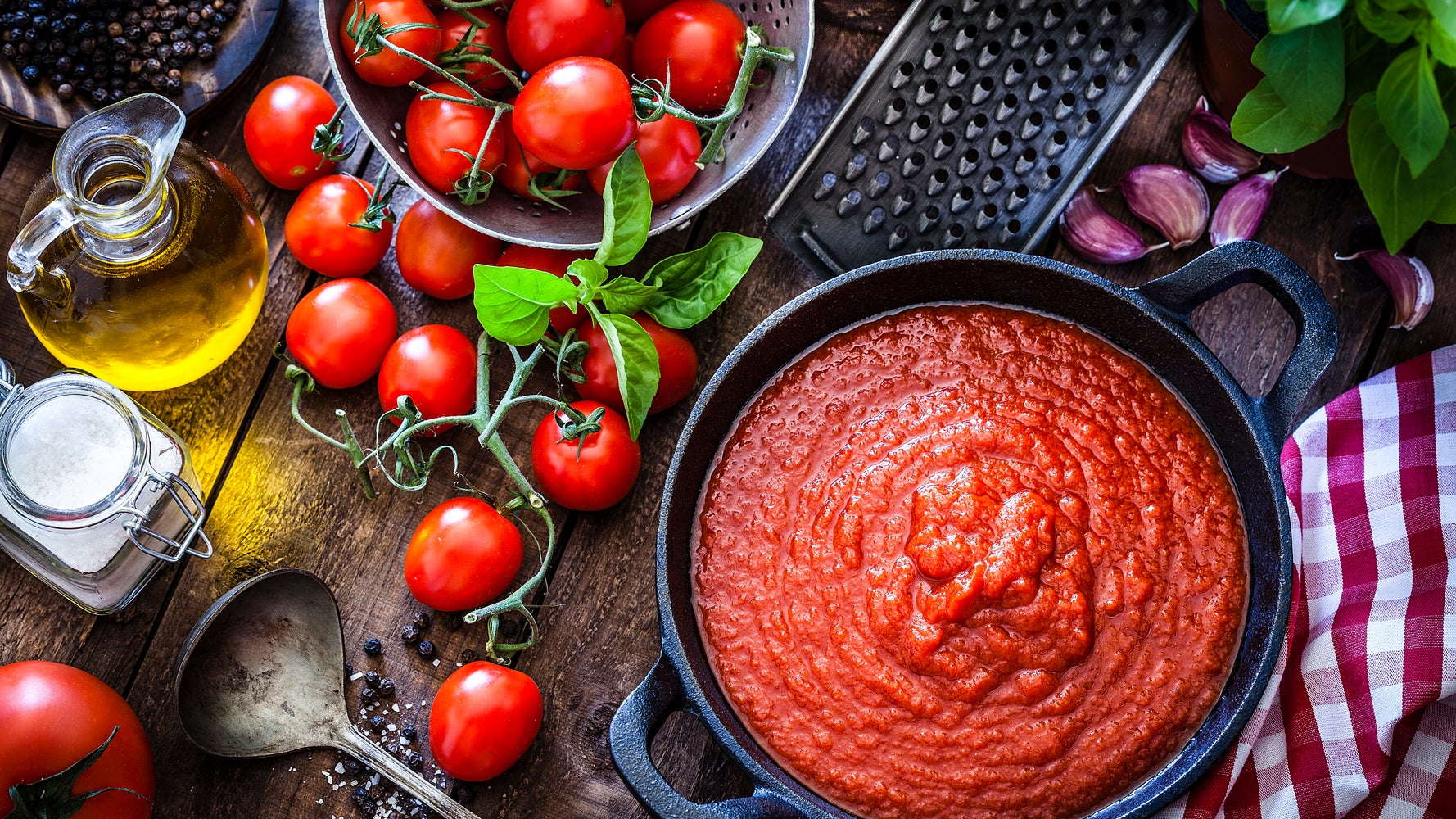
In Italy, making a proper tomato sauce is an art. It is all about simplicity and quality ingredients, not shortcuts. Key steps include:
- Choosing the right tomatoes – Fresh or canned San Marzano tomatoes are preferred for their sweetness and low acidity.
- Using high-quality olive oil – This helps bring out the natural flavors of the tomatoes.
- Slow cooking for deep flavor – Italians simmer their sauces for hours to develop richness, rather than relying on paste.
- Seasoning lightly – Ingredients like garlic, basil, and oregano are used sparingly to let the tomatoes shine.
- No added sugar – Italian sauces are naturally sweet due to the quality of the tomatoes.
This process eliminates the need for tomato paste, as the flavors naturally intensify over time.
Canned Tomatoes vs. Tomato Paste in Italian Cuisine
Both canned tomatoes and tomato paste have roles in cooking, but they are not interchangeable. Italians generally favor canned tomatoes for sauces, using paste only when needed.
| Feature | Canned Tomatoes | Tomato Paste |
| Texture | Chunky or smooth, depending on type. | Very thick and concentrated. |
| Flavor | Fresh, bright, slightly acidic. | Deep, intense, slightly sweet. |
| Common Use | Used as a base for sauces, soups, and stews. | Added in small amounts for depth. |
| Preferred by Italians? | Yes, widely used in authentic recipes. | Less common, but used in some dishes. |
Impact of Modern Cooking Trends on Traditional Italian Recipes
Modern cooking trends have influenced Italian cuisine, but many chefs and home cooks still prioritize traditional methods. Some trends include:
- Fusion cooking – Italian flavors are mixed with other cuisines, sometimes leading to more paste-heavy sauces in global dishes.
- Convenience foods – Pre-made sauces and tomato paste tubes are used more in fast-paced modern kitchens.
- Health-conscious cooking – Some chefs use fresh tomatoes and natural reductions to avoid additives found in commercial tomato paste.
Despite these changes, many Italians still prefer fresh, high-quality ingredients over processed shortcuts.
Frequently Asked Questions about Italians and Tomato Paste
Is tomato paste used in Italy?
Yes, but not as often as in Americanized Italian cuisine. Italians prefer fresh or canned tomatoes over paste.
What is the Italian alternative to tomato paste?
Many use passata, San Marzano tomatoes, or slow-reduced sauces instead of paste. Sicilians sometimes use Estratto di Pomodoro.
Do Italians put sugar in their tomato sauce?
No, authentic Italian sauces rely on sweet, high-quality tomatoes rather than added sugar.
Why do American-Italian recipes use so much tomato paste?
Many American recipes aim for thicker, richer sauces, while Italians prefer lighter, fresher sauces.
What tomatoes do Italians use the most?
San Marzano tomatoes are a favorite due to their sweetness, low acidity, and rich flavor.
Is tomato paste healthier than fresh tomatoes?
Tomato paste is nutrient-dense, but fresh tomatoes provide more natural flavor and balance in sauces.
Do real Italian restaurants use tomato paste?
Some high-end restaurants may use a small amount of tomato paste, but many focus on fresh ingredients and slow cooking.
Conclusion on Italians Dont Use Tomato Paste
The belief that Italians don’t use tomato paste is a half-truth. While Italians prefer fresh or canned tomatoes, they do use small amounts of tomato paste in certain dishes. However, it is never the main ingredient in Italian cuisine.
The essence of Italian cooking lies in simplicity, fresh ingredients, and slow-cooked flavors. Instead of relying on tomato paste, authentic Italian chefs let the natural flavors shine through careful preparation and quality ingredients.
