

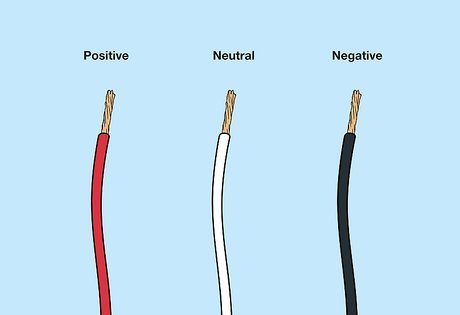
Red is one of the most powerful and attention-grabbing colors, but is red positive or negative? The answer is not straightforward, as red holds diverse meanings in different contexts. It symbolizes love, passion, and energy, yet also danger, warning, and aggression.
In electrical applications, red typically represents the positive terminal, but in psychological studies, red can trigger both excitement and stress.
By the end, we will uncover whether red leans more toward positivity or negativity—or if it exists as both.
Historical and Cultural Significance
Ancient Symbols and Traditions
- Red has been significant in ancient cultures, representing life, fertility, and war.
- In Chinese culture, red symbolizes good luck, prosperity, and celebration.
- Many tribal rituals used red to symbolize strength and victory in battles.
- In Christianity, red is associated with the blood of martyrs and sacrifice.
- The Egyptians connected red with Set, the god of chaos, linking it to destruction.
Modern Cultural Interpretations
- In Western culture, red is used for danger signs, love, and power.
- In Japan, red symbolizes protection against evil spirits.
- Many sports teams use red to energize players and intimidate opponents.
- Politically, red represents different ideologies; it’s associated with communism in some regions and conservatism in others.
- The color’s meaning varies worldwide, showing how its perception shifts based on cultural beliefs.
Psychological Impact of Red
Emotional Responses
- Red evokes strong emotions, such as love, passion, and anger.
- Studies show that red increases heart rate and excitement.
- It can enhance appetite, which is why many restaurants use it in branding.
- Red can trigger aggression, making it a popular color in competitive sports.
- The color red is known for its ability to enhance attraction in social settings.
Scientific Insights
- Research indicates that red affects cognitive functions, making people more alert.
- In competitive environments, red can create psychological pressure, influencing performance.
- Red light therapy is used for medical treatments, proving its impact on human biology.
- Red’s ability to enhance focus has been observed in academic and professional settings.
- However, too much exposure to red can cause stress and anxiety, making its impact situational.
Red in Marketing and Design

Consumer Perception
- Red is commonly used in marketing and branding to attract attention.
- Fast food chains, such as McDonald’s and KFC, use red to stimulate appetite.
- Studies show that red encourages impulse buying.
- Red is used in clearance sales to create urgency.
- However, in finance, red represents losses and negative trends.
Design Principles
- Designers use red carefully to influence customer perception.
- Red backgrounds increase visibility, but overuse can cause visual fatigue.
- Red pairs well with neutral colors to create balance in branding.
- Luxury brands often use red to convey boldness and confidence.
- Traffic signs use red to indicate caution and immediate attention.
Red in Art, Media, and Literature
Symbolism in Creative Works
- In art, red has been used to symbolize passion, danger, and revolution.
- Many films and books use red to highlight crucial themes, such as love or violence.
- Red is a dominant color in historical paintings that depict religious and war scenes.
- Famous artists like Van Gogh and Picasso incorporated red to intensify emotions.
- Red is used in costume design to create powerful character portrayals.
Interpreting Dual Meanings
- Red is often seen as a color of both life and destruction.
- In literature, red can symbolize both danger and deep affection.
- Filmmakers use red lighting to evoke tension or romance.
- The color red is frequently used in horror and thriller genres.
- Its contrasting meanings make it a versatile tool in creative expression.
Red in Electrical Applications
| Application | Is Red Positive or Negative? |
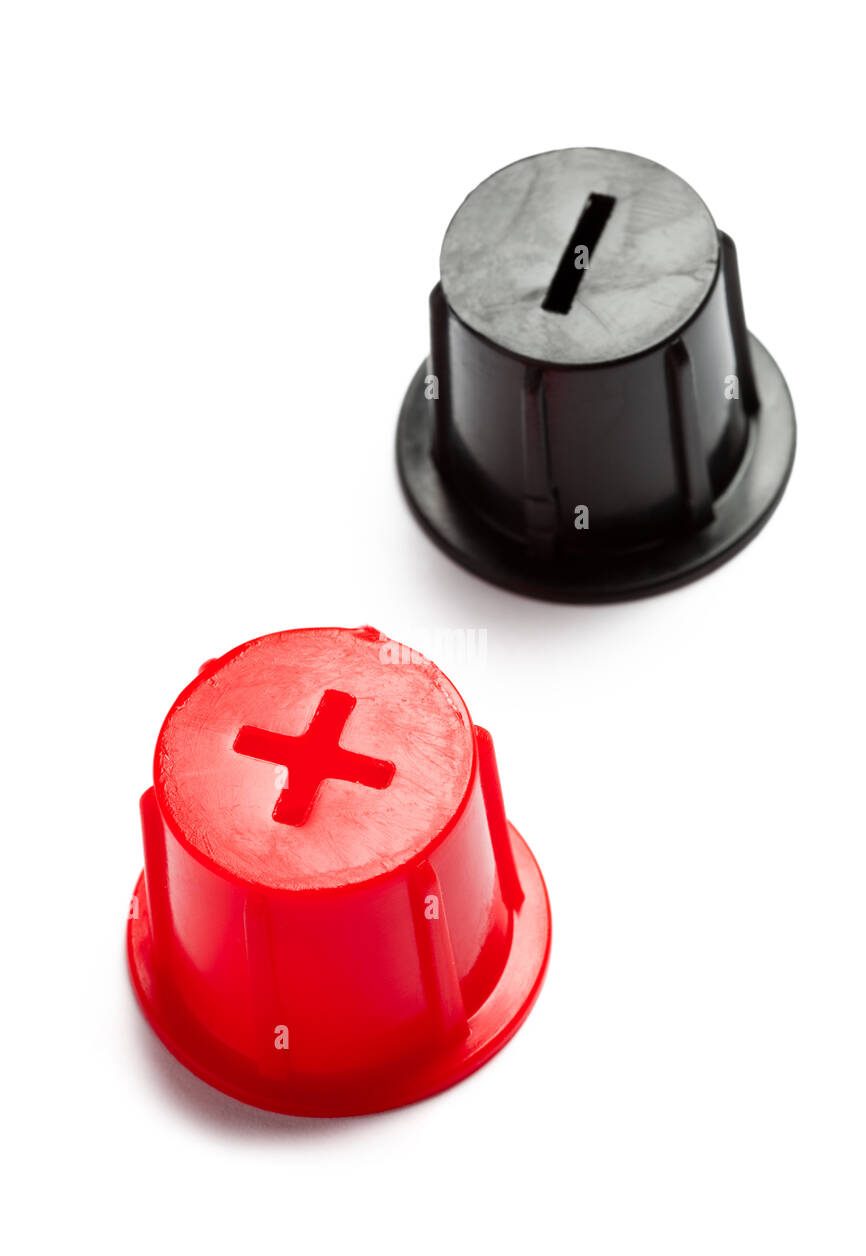
| Battery Terminals | Positive (+) |
| Car Battery | Positive (+) |
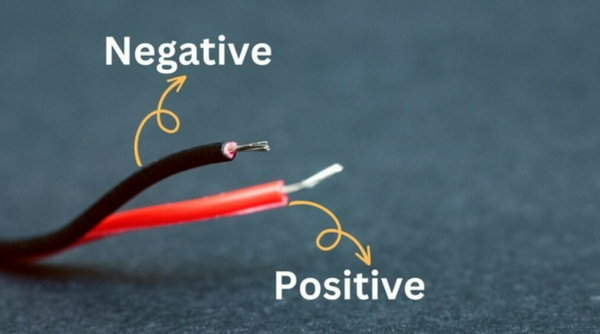
| Speaker Wires | Positive (+), sometimes interchangeable |
| Battery Charger | Positive (+) |
| Motorcycle Battery | Positive (+) |
| Jumper Cables | Positive (+) |
| DC Circuits | Positive (+) |
Debunking Common Myths
Myth vs. Reality
- Myth: Red always means danger. Reality: It can also signify love and power.
- Myth: Red is an angry color. Reality: It also represents passion and energy.
- Myth: Red is a universal warning color. Reality: Some cultures see it as lucky and sacred.
- Myth: Red is always positive in electrical work. Reality: In some cases, it can be neutral or interchangeable.
Integrating Diverse Perspectives
- Historical, scientific, and cultural contexts show red is neither fully positive nor negative.
- Different industries use red to evoke various emotions and meanings.
- Personal experiences and societal norms shape how individuals perceive red.
- Red is the first color babies see after birth.
- Bulls don’t react to red; they respond to movement.
- Red cars are not ticketed more often, despite the myth.
- Seeing red can increase physical strength for short periods.
- The longest wavelength of visible light is red.
- Wearing red can boost confidence and attractiveness.
- In some cultures, red symbolizes both life and death.

Frequently Asked Questions About Is Red Positive or Negative?
Is red positive or negative on a battery?
Red is usually positive (+).
Is red positive or negative on a car battery?
It is positive (+) on most car batteries.
Is red positive or negative on speaker wire?
Generally positive, but some systems vary.
Is red positive or negative on a battery charger?
It represents the positive terminal (+).
Is red positive or negative when jump-starting a car?
Red is positive (+); black is negative (-).
Is red positive or negative in electrical wiring?
Red often indicates live wires, typically positive (+).
Is red positive or negative in DC circuits?
In most cases, red is positive (+) in DC wiring.
Conclusion on Is Red Positive or Negative?
Red is a color of extremes—love and war, energy and caution, power and danger. Its meaning depends on cultural beliefs, psychological effects, and technical applications. Scientifically, red influences human emotions and decisions.
In electrical work, red is typically positive but varies in some cases. In branding, red stimulates action and urgency. Ultimately, red is neither inherently positive nor negative; its perception is shaped by context, tradition, and personal experiences. The complexity of red makes it one of the most fascinating colors to explore.
