

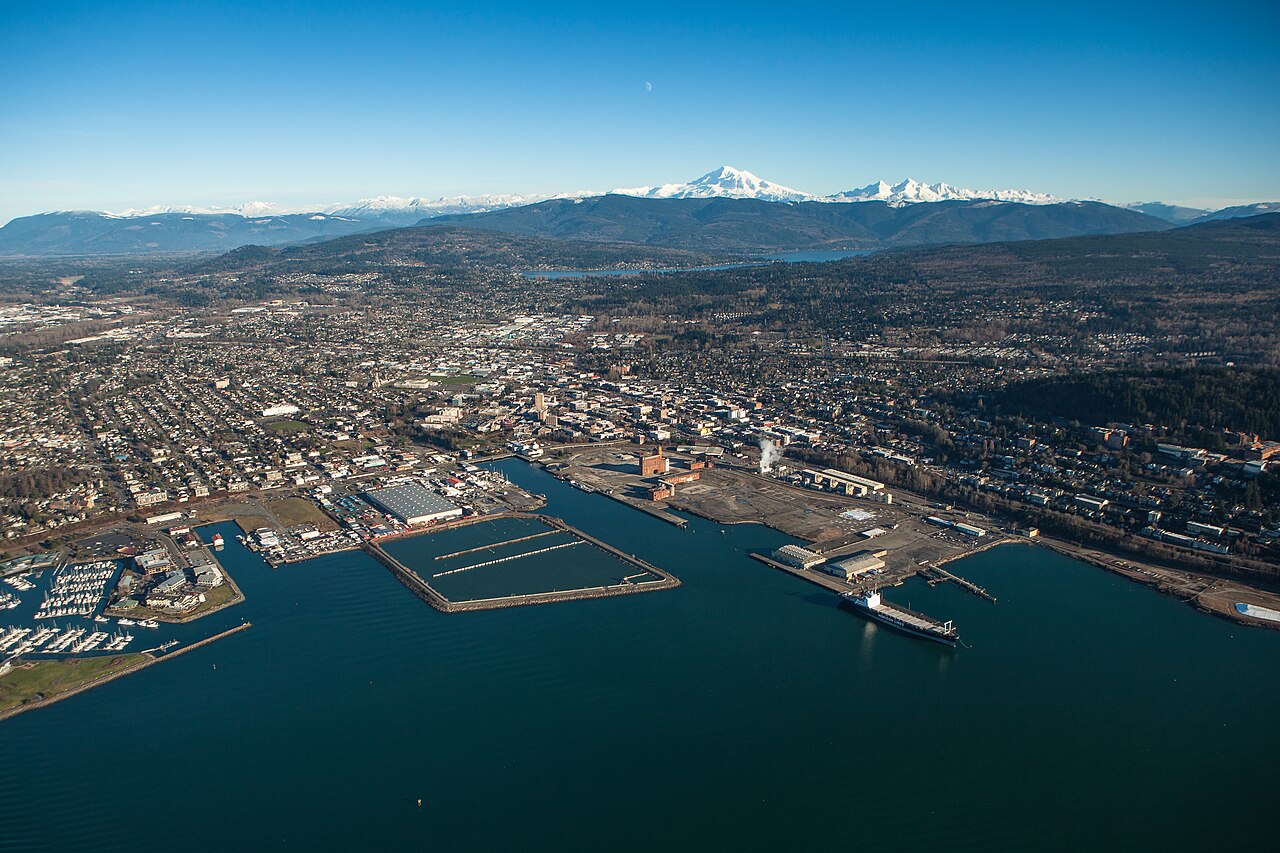
Trees are more than just scenic backdrops; they are vital to the health and vibrancy of communities, serving as essential living infrastructure in both urban and rural settings. In Bellingham and Whatcom County, Washington, the urban forest plays a crucial role in environmental sustainability, public health, and community well-being, creating lasting impacts that benefit both current and future generations. For residents seeking professional tree care, reliable services like emergency tree service in Bellingham & Whatcom County WA are available to address urgent needs such as hazardous limb removal and storm damage cleanup. Earthworks Tree Service, located right in Bellingham, offers comprehensive tree care solutions, ranging from routine pruning to safe tree removal and expert stump grinding, all of which contribute to the safety, value, and beauty of local properties.
Environmental Benefits of Urban Trees
Urban trees deliver a range of environmental benefits that directly improve the quality of life in cities and suburbs. Acting as natural air filters, trees capture pollutants such as carbon monoxide, sulfur dioxide, and particulate matter, thereby improving the air residents breathe every day. In Bellingham, the local urban forest is estimated to offset emissions equivalent to those produced by approximately 6,653 passenger vehicles each year, mainly through carbon sequestration, in which trees absorb atmospheric carbon dioxide and store it in their biomass. Additionally, trees play a critical role in managing stormwater. By intercepting rainfall with their leaves and absorbing water through extensive root systems, trees reduce runoff, minimize soil erosion, and decrease the burden on man-made infrastructure such as drains and storm sewers. This not only reduces local flooding risks but also helps safeguard the water quality of nearby creeks, lakes, and the Puget Sound by filtering out pollutants before they can enter the watershed. Beyond air and water benefits, urban trees block wind, cool hot streets by providing shade, and serve as habitats for birds and other wildlife, making neighborhoods more resilient and pleasant.
Enhancing Public Health and Well-Being
Access to green spaces and urban forests has been consistently linked to improved mental and physical health outcomes. Scientific research has shown that spending time near or among trees helps lower stress and anxiety levels, encourages exercise, and improves overall well-being. In Bellingham, residents benefit from natural amenities such as the Sehome Hill Arboretum, a sprawling 175.5-acre public park adjacent to Western Washington University. The Arboretum not only serves as an important environmental buffer and learning resource, but also provides the community with over 5 miles of trails. These trails offer opportunities for walking, jogging, bicycling, and quiet reflection, fostering a healthy, active lifestyle. The presence of mature trees shades these paths, making outdoor activities enjoyable even during the warmer summer months. Furthermore, the psychological benefits of seeing and interacting with trees, such as reduced blood pressure and improved mood, extend to neighborhoods across Whatcom County, enhancing the quality of life for people of all ages. Parks, greenbelts, and tree-lined streets also foster a sense of connection among community members, providing welcoming spaces for social gatherings, play, and relaxation.
Community Initiatives for Tree Planting and Preservation
The robust urban forest found in Bellingham and Whatcom County is not just an accident of geography, but the result of sustained effort by local organizations and engaged residents. The Whatcom Million Trees Project, for example, was established in 2021 with the ambitious goal of planting and protecting a million trees across the county. Since its launch, the organization has planted more than 2,800 new trees and helped preserve nearly 323,000 mature trees—a tangible contribution to climate resilience and biodiversity in the region. Beyond direct planting efforts, this group also focuses on educating the public about the ecological and societal value of trees, fostering partnerships, and building a community ethos that prioritizes stewardship of green spaces. Events, workshops, and outreach by such organizations not only connect people with nature but also help spread vital information on selecting, planting, and caring for trees adapted to the local climate, ensuring that new plantings thrive and mature into landmark trees in the decades ahead.
Landmark Tree Protections
The city has formally recognized the significance of mature trees in shaping the local environment. In May 2024, the Bellingham City Council adopted an emergency landmark tree ordinance that provides enhanced protection for the community’s largest and most valuable trees. Under this ordinance, healthy trees with a trunk diameter of 36 inches or greater are officially designated as “landmark trees,” making them part of an important citywide inventory. With this designation comes a new framework for authorization, including a permitting process required for the removal of any protected tree and increased fines for unauthorized or illegal removal. This initiative serves not only to safeguard vital ecological assets but also to reinforce community values around sustainability and heritage. Preserving these old-growth giants helps maintain ecological balance, provides critical wildlife habitat, and ensures that future generations can continue to benefit from these living monuments.
Balancing Development and Tree Preservation
As Bellingham experiences steady population growth and new investment, the challenge of balancing land development with tree preservation has come to the forefront of public planning discussions. The city’s target is to maintain at least a 40% tree canopy within its municipal boundaries, which translates to approximately 7,252 acres of trees and woods. Achieving this requires innovative approaches to urban design. One strategy involves creating “urban villages” and compact infill areas, enabling new housing and commercial development without sprawling into ecologically sensitive areas. Integrating tree-planting and retention requirements into zoning and building codes ensures that, even as the built environment expands, the natural landscape remains robust. When new projects take shape, developers and homeowners are encouraged, or sometimes required, to preserve existing mature trees and plant new ones, thereby weaving the natural and built environments together in a sustainable, healthy way.
Community Engagement and Volunteerism
Grassroots participation and local volunteerism are fundamental drivers of success for urban forestry initiatives in Whatcom County. In October 2024, the power of community was on full display when nearly 200 residents, school groups, and local organizations came together in Whatcom Falls Park for a major restoration event. During this event, volunteers worked diligently to remove invasive plant species that threaten native ecosystems and to plant about 400 young trees and shrubs along the banks of Whatcom Creek. Activities like these build a sense of community ownership and pride while directly increasing the quantity and quality of trees in the city. These efforts not only plant new trees but also maintain and restore existing green spaces for everyone to enjoy. Regular volunteer days, educational programs, and community science projects make it easy for residents to get involved, learn new skills, and be part of a wider movement for environmental improvement and civic pride.
Challenges and Future Goals
Despite notable progress, Bellingham and Whatcom County still face significant challenges on the path to urban forest sustainability. The city initiated its Urban Forestry Management Plan in 2020, laying out a long-term vision for growth, protection, and adaptation, but progress has slowed due to limited staff and budget resources. Nevertheless, the city has continued moving forward with impactful measures such as the Landmark Tree Protection Ordinance and expanding Community Tree Programs, which facilitate tree planting on private properties in neighborhoods across Bellingham. The long-term aspiration is to reach a 45% tree canopy coverage by 2050, a goal that requires sustained advocacy, sufficient funding, and innovative partnerships. Overcoming barriers such as limited urban space, competing land uses, and climate adaptation will demand creativity and collective commitment from both public officials and everyday citizens.
Final Thoughts
Trees are integral to the environmental health, public well-being, and community spirit of Bellingham and Whatcom County. Their benefits extend far beyond their beauty, touching every aspect of daily life—from clean air and water to recreation, mental health, and social connectedness. Through continued community engagement, visionary policies, and passionate stewardship, the region can ensure that its urban forest thrives now and for generations to come, creating a greener, healthier, and more resilient future for all.
FAQs
- What is the goal of the Whatcom Million Trees Project?
- The project aims to plant and protect one million trees in Whatcom County to address climate and biodiversity crises and connect people to nature.
- How does the Landmark Tree Ordinance protect trees?
- The ordinance protects healthy trees with a trunk diameter of 36 inches or greater by establishing an inventory, a permitting process for removal, and increased fines for illegal removal.
- What are the benefits of urban trees?
- Urban trees improve air quality, manage stormwater, enhance mental health, and promote physical activity among residents.
- How can community members get involved in tree preservation?
- Residents can participate in volunteer events, such as tree planting and invasive species removal, organized by local organizations and the city.
- What challenges does Bellingham face in urban forestry?
- Challenges include balancing development with tree preservation, limited staff and budget resources, and achieving the goal of a 45% tree canopy by 2050.
