

Planning direct cremation services of Virginia can feel overwhelming, especially during a time of grief. However, approaching this process with thoughtfulness and intention allows you to honor your loved one in a meaningful way. By taking the time to consider each aspect of the service, you can create a ceremony that reflects the life, values, and personality of the person who has passed. Here’s a step-by-step guide to planning a cremation service with care and purpose.
Understand the Basics of Cremation
Before planning the service itself, it is helpful to understand what cremation involves. Cremation is the process of reducing the body to ashes using high heat. Unlike traditional burials, cremation offers flexibility in how and when you hold a service. Families may choose a service before cremation, after cremation, or even months later, allowing time to plan thoughtfully.
Decide the Type of Service
There are several types of cremation services to consider. Some families opt for a traditional memorial service held at a funeral home, a religious venue, or a community center. Others may prefer a celebration of life, focusing on personal stories, music, and memories rather than formal rituals. Some services are intimate gatherings, while others are larger events with extended family and friends. Deciding the type of service will help guide other choices, such as venue, speakers, and readings.
Choose a Location
The cremation service’s location sets the tone for the event. Funeral homes and crematorium chapels are common choices, offering staff support, seating, and facilities. If you want a more personal touch, consider hosting the service at home, a park, or a place that holds special significance for your loved one. Outdoor venues can be particularly meaningful, allowing nature to serve as a backdrop for reflection and remembrance.
Create a Meaningful Ceremony
A cremation service can be personalized to reflect the deceased’s life and values. Begin by deciding on the order of events. Typical elements may include:
- Welcome and opening remarks: A brief introduction by the officiant or family member to set the tone.
- Readings and poetry: Choose readings that reflect your loved one’s beliefs, personality, or favorite literature.
- Music: Select songs or hymns that were meaningful to the deceased or that evoke the desired atmosphere.
- Eulogies and personal stories: Invite family and friends to share memories that celebrate the life of the individual.
- Moment of reflection: Consider incorporating a moment of silence, candle lighting, or other rituals that provide a space for contemplation.
Select an Urn or Memorial Container
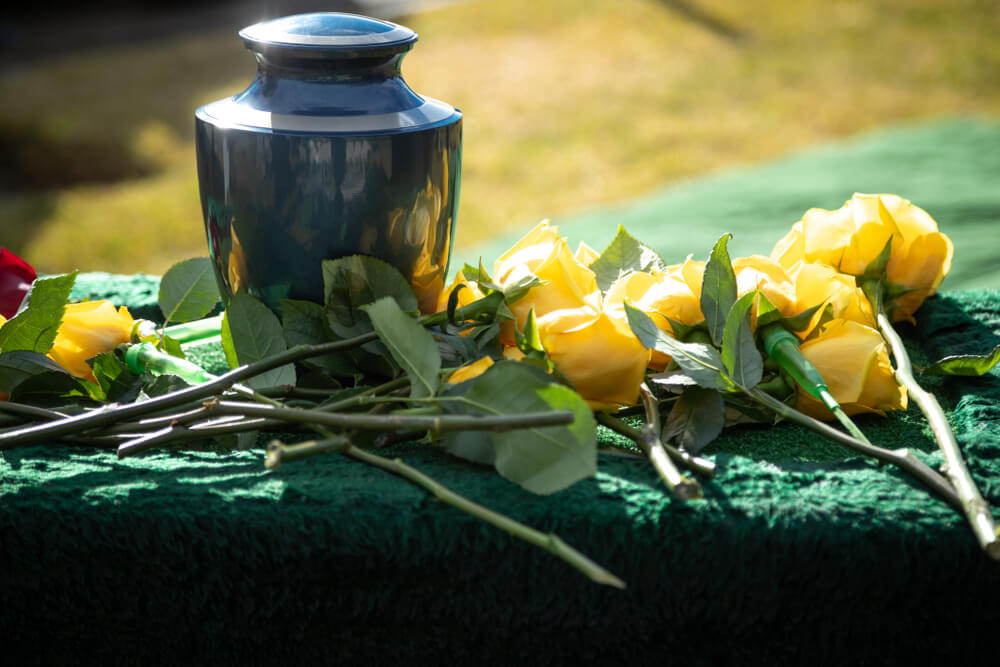
The urn or container for the ashes can also reflect your loved one’s personality or style. Options range from traditional ceramic or metal urns to biodegradable or eco-friendly containers for scattering ashes outdoors. Some families prefer keepsake urns, which allow multiple relatives to each keep a portion of the ashes. Choosing an urn with intention ensures that this final resting place feels personal and meaningful.
Consider Scattering or Burial Options
Once the cremation is complete, you will need to decide what to do with the ashes. Others opt for inurnment in a columbarium, burial in a cemetery, or keeping the urn at home. Each option offers its own way to honor and remember your loved one, and it’s important to consider what aligns with their wishes and your family’s needs.
Plan for Guest Participation
Inviting friends and family to actively participate in the service can make it more meaningful. You might ask attendees to share a favorite story, read a poem, or bring a personal memento. Some families incorporate interactive rituals, such as planting a tree, creating a memory jar, or releasing balloons or biodegradable lanterns. Encouraging participation helps attendees feel more connected to the ceremony and to each other during a time of grief.
Communicate Clearly
Clear communication is essential when planning a cremation service. Ensure guests know the date, time, and location, and provide any special instructions, such as attire or whether children are welcome. If you are hosting the service at a private home or outdoor location, include details about parking, seating, and weather considerations. Sending invitations or announcements in advance allows guests to plan and shows consideration for their attendance.
Incorporate Rituals and Symbolism
Rituals and symbolism can give a cremation service deeper meaning. Consider incorporating cultural, religious, or personal practices, such as:
- Lighting candles to symbolize the life and spirit of the deceased
- Playing specific music that reflects the individual’s journey
- Releasing doves, butterflies, or lanterns as a metaphor for letting go
- Holding a moment of silence to honor memories and reflect on life
Personalize the Service with Keepsakes
Keepsakes allow family and friends to remember the service and the individual for years to come. Options include printed programs, memorial cards, or photo books that tell the story of the person’s life. Some families provide small tokens, such as candles, plantable seed paper, or custom jewelry containing a small portion of the ashes. These tangible reminders help attendees hold on to the memories shared during the service.
Plan Ahead, but Remain Flexible
While careful planning is important, it’s equally essential to remain flexible. Emotions can run high, and circumstances may change. By planning the service thoughtfully but leaving room for adjustments, you allow the ceremony to feel natural and heartfelt rather than forced or rigid. Remember, the goal is to honor the person’s life in a way that feels authentic and meaningful to everyone involved.
Seek Support
Planning a cremation service can be emotionally taxing. Consider seeking help from funeral directors, grief counselors, or family members. Many funeral homes offer planning guides, checklists, and support services to make the process easier. Leaning on these resources ensures you don’t feel alone and helps you create a service that truly reflects your loved one’s life.
Closing Thoughts
A cremation service is more than a farewell; it is an opportunity to celebrate a life and honor a legacy. By approaching the planning process with intention, thoughtfulness, and creativity, you can design a ceremony that feels personal, meaningful, and healing. From selecting the right venue and music to incorporating symbolic gestures and keepsakes, every detail offers a chance to reflect the uniqueness of the person you are remembering.
