

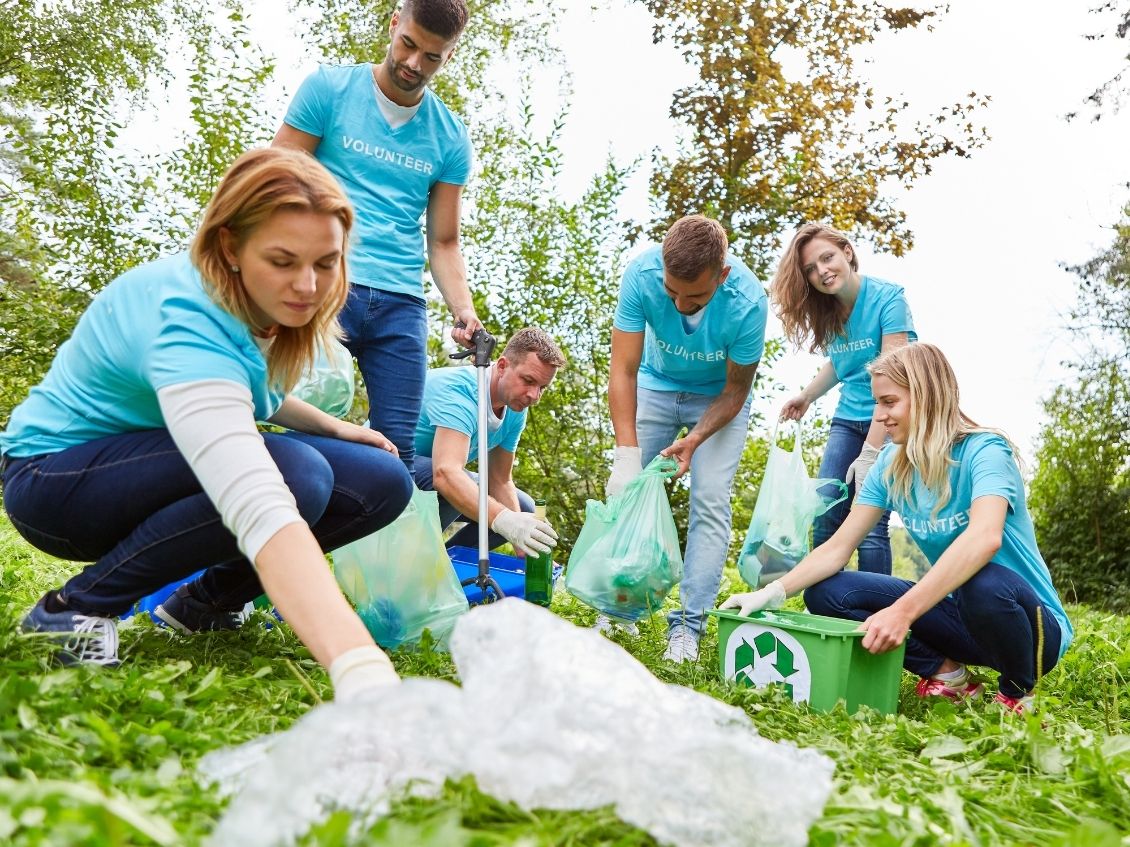
Organizing a community clean-up is a rewarding way to bring neighbors together while making a positive impact on the environment. These events not only beautify local areas but also foster a sense of community and responsibility. Whether you’re aiming to clean up a park, a neighborhood, or a local beach, planning and executing a successful community clean-up requires careful organization and coordination. This article will guide you through the steps to organize a community clean-up, including important considerations such as gathering supplies like 13 gallon trash bags and tall kitchen trash bags to ensure the event runs smoothly.
1. Identify the Area for Clean-Up
The first step in organizing a community clean-up is to identify the area that needs attention. This could be a local park, a stretch of road, a beach, or even an entire neighborhood. When choosing the area, consider the following factors:
- Impact: Select an area where a clean-up will make a noticeable difference. This could be a place that has been neglected, has visible litter, or is a popular spot that deserves care.
- Accessibility: Ensure the area is easily accessible for volunteers. Consider the location’s proximity to parking, public transportation, and facilities like restrooms.
- Permissions: If the area is public property, you may need to obtain permission from local authorities or the property owner. Contact your local government or parks department to inquire about any permits or approvals required for the event.
2. Set a Date and Time
Once you’ve identified the location, set a date and time for the clean-up. Consider the following when scheduling:
- Weather: Choose a date when the weather is likely to be mild and dry. Check the forecast as the event approaches and have a backup plan in case of rain.
- Availability: Schedule the clean-up for a time when most community members are likely to be available, such as a weekend morning or afternoon.
- Duration: Plan the event to last a few hours, depending on the size of the area and the number of volunteers. This will give you enough time to cover the designated area without overburdening participants.
3. Gather Volunteers
Recruiting volunteers is essential for a successful community clean-up. The more people who participate, the more ground you can cover. Here’s how to gather volunteers:
- Promotion: Use social media, community boards, and local newsletters to spread the word about the event. Create a Facebook event, post on Instagram, or send out emails to local organizations and neighborhood groups.
- Incentives: Offer incentives to encourage participation. These could include refreshments, small prizes, or even recognition for the most trash collected. Consider partnering with local businesses to provide snacks, drinks, or gift certificates for volunteers.
- Groups: Reach out to local schools, scout troops, church groups, or civic organizations that might be interested in participating. These groups often look for community service opportunities and can bring a sizable number of volunteers.
4. Plan the Logistics
Proper planning is key to a smooth and efficient clean-up. Consider the following logistics:
- Supplies: Make sure you have all the necessary supplies, including gloves, 13 gallon trash bags, trash bags tall kitchen size, recycling bags, and tools like litter grabbers or rakes. Having a mix of bag sizes, such as 13 gallon trash bags for general waste and tall kitchen trash bags for recyclables, ensures that you can handle different types of waste effectively.
- Safety: Ensure the safety of all participants by providing gloves, first aid kits, and instructions on how to safely handle sharp objects or hazardous materials. Designate a safety officer or team leader to oversee the event and address any issues that arise.
- Waste Disposal: Coordinate with your local waste management company to arrange for the proper disposal of the collected trash and recyclables. Determine where the filled bags will be placed for collection and ensure that the waste is sorted correctly.
- Refreshments: Provide water and light snacks to keep volunteers hydrated and energized. Set up a refreshment station at a central location where participants can take breaks as needed.
5. Execute the Clean-Up
On the day of the clean-up, arrive early to set up and welcome volunteers. Here’s how to execute the event smoothly:
- Check-In: Have a designated check-in area where volunteers can sign in, pick up supplies, and receive instructions. This is also a good time to distribute any promotional materials, such as event t-shirts or hats.
- Assign Areas: Divide the clean-up area into sections and assign groups of volunteers to each section. This ensures that the entire area is covered and prevents overlap. Consider having a map or visual aid to show volunteers where they’ll be working.
- Provide Instructions: Before volunteers begin, provide a brief orientation covering safety protocols, how to properly sort trash and recyclables, and what to do if they encounter hazardous materials. Emphasize the importance of working in teams, staying hydrated, and taking breaks when needed.
- Monitor Progress: Throughout the event, check in with volunteers to ensure everything is going smoothly. Offer assistance, answer questions, and make sure that waste is being collected and sorted properly.
6. Wrap Up and Disposal
As the clean-up winds down, it’s important to wrap up the event in an organized manner:
- Collect Trash Bags: Gather all filled trash bags, including 13 gallon trash bags and tall kitchen trash bags, and place them in the designated disposal area. Ensure that all waste is sorted according to local recycling and waste disposal guidelines.
- Thank Volunteers: Show appreciation for your volunteers by thanking them for their hard work. Consider giving out certificates, small tokens of appreciation, or holding a brief closing ceremony to recognize their efforts.
- Dispose of Waste: Coordinate with your local waste management service to ensure that the collected trash and recyclables are picked up and disposed of properly. If you’ve arranged for a drop-off, transport the waste to the designated location.
7. Post-Event Follow-Up
After the clean-up, take a moment to reflect on the event’s success and consider any areas for improvement. Here’s how to follow up:
- Evaluate: Review what went well and what could be improved for future clean-ups. Gather feedback from volunteers to identify any issues or suggestions.
- Share Results: Share the results of the clean-up with the community. Post photos, statistics (such as the amount of trash collected), and thank-you messages on social media or in local newsletters. This not only recognizes the efforts of the volunteers but also encourages others to participate in future events.
- Plan for the Future: Consider making the community clean-up an annual or semi-annual event. Use the momentum from this event to plan future clean-ups or other community improvement projects.
8. Conclusion
Organizing a community clean-up is a powerful way to make a tangible difference in your local environment while fostering community spirit. With careful planning and the right supplies—like 13 gallon trash bags and tall kitchen trash bags—you can ensure that your event is successful and enjoyable for all involved. By following these steps, you’ll not only create a cleaner, more beautiful community but also inspire others to take pride in and care for their surroundings. Whether this is your first clean-up or one of many, your efforts will leave a lasting positive impact on the community.
