

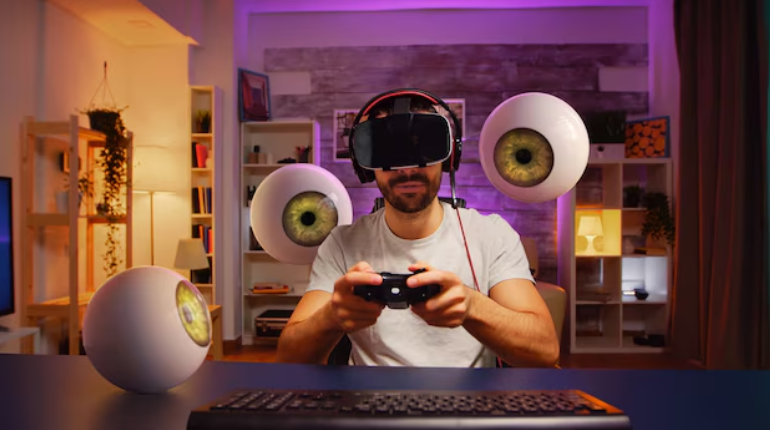
Online games are not just about fun and relaxation—they can serve as powerful tools for problem-solving and critical thinking. In recent years, online games have evolved significantly, moving beyond simple entertainment to become interactive platforms that challenge players to think, strategize, and solve complex problems. From puzzle games to multiplayer role-playing games, online gaming can sharpen the mind and encourage the development of skills that are applicable in real-life situations.
This article explores how online games foster problem-solving and critical thinking and why they are beneficial for players of all ages.
The Link Between Gaming and Cognitive Development
One of the most important aspects of online games is their ability to enhance cognitive development. Games, especially those that require players to strategize and think critically, stimulate the brain in ways that can improve decision-making and analytical skills.
How Problem-Solving Skills Are Developed in Games
Online games such as slot gacor frequently require players to solve puzzles, navigate mazes, or complete missions that are designed to be challenging. To progress, players often need to:
- Analyze the situation
- Consider various solutions
- Execute a plan
This process mirrors real-life problem-solving, where people must assess the options and make the best decision based on available information. Games like escape room puzzles, mystery adventures, and even popular strategy games encourage players to tackle challenges with a problem-solving mindset.
In puzzle games, players might need to figure out the right order to perform actions or analyze patterns to advance. These tasks demand logical thinking and patience, both of which are crucial to developing a problem-solving mindset. Games like Portal, The Room, and Myst offer puzzles that become progressively more complex, pushing players to think outside the box and approach problems from new angles.
Encouraging Critical Thinking Through Strategy and Planning
Many online games require strategic planning and resource management. These games encourage players to think critically about each move they make, as one wrong step can mean failure at sbobet88. Strategy games, such as real-time strategy (RTS) games or turn-based tactics games, challenge players to create and adapt plans based on changing circumstances.
The Role of Strategy in Critical Thinking Development
In strategy games, players often need to:
- Prioritize resources
- Predict potential moves of opponents
- Adapt to unexpected situations
These tasks require a high level of critical thinking as players must continually reassess and optimize their strategies. For example, in a game like StarCraft or Civilization, players control multiple aspects of an environment or civilization. They must build, defend, and expand their empire while predicting opponents’ actions, all of which require careful consideration and tactical decision-making.
The Benefits of Teamwork and Communication
Another area where online games shine is in their ability to improve teamwork and communication skills. Many online games are designed to be cooperative, requiring players to collaborate and communicate effectively to succeed. This encourages players to think critically not only about their actions but also how those actions impact the team.
Developing Communication and Leadership Skills
In multiplayer games, such as MMORPGs (Massively Multiplayer Online Role-Playing Games) and team-based shooters, players often assume different roles that require them to communicate with each other. Each member of a team has a specific task, and success depends on clear communication and effective teamwork. For instance, in a game like Overwatch or World of Warcraft, each player has unique abilities and responsibilities. Coordinating these skills requires strong communication and leadership skills, which are directly transferable to real-world settings.
How Online Games Help Players Learn from Failure
A unique aspect of online games is that they offer a safe environment to fail. Unlike real-world consequences, the consequences of failure in a game are limited, which allows players to learn from their mistakes without major repercussions. This is especially helpful for younger players who are developing resilience and learning that failure is a natural part of growth.
The Role of Feedback in Improvement
Most games provide instant feedback on players’ actions, which helps them understand what went wrong and how they can improve. This constant feedback loop encourages players to analyze their mistakes and develop better strategies. By fostering a growth mindset, online games encourage players to keep trying, even when they face setbacks.
Conclusion
In summary, online games are more than just entertainment; they are interactive platforms that can develop problem-solving and critical-thinking skills. Through puzzles, strategy, teamwork, and failure, players learn to think logically, plan, and collaborate effectively. While moderation is key, online games offer a valuable way to practice skills that can be applied beyond the gaming world. So, the next time you or someone you know dives into an online game, remember that it’s not just about winning—it’s about learning and growing as well.
