

Why Firewalls Matter More Than Ever
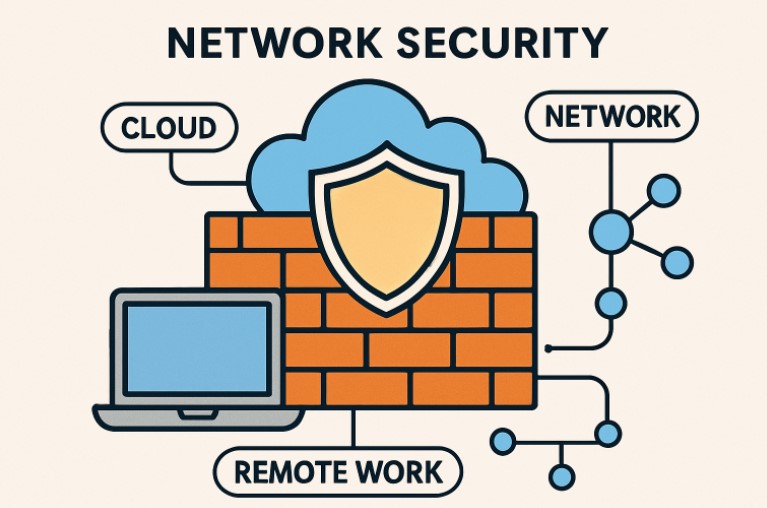
The digital landscape is expanding rapidly as businesses embrace cloud computing, mobile devices, IoT, and remote work—all of which magnify attack surfaces and introduce new vulnerabilities. In this landscape, firewalls play a transformative role that extends beyond simple threat blocking to become the foundation for comprehensive cybersecurity. To keep up with the speed and scale of enterprise network evolution, organizations should view solution details on how next-generation firewalls are designed to secure today’s complex environments.
Security professionals need tools that offer dynamic protection as cyber threats continue to rise in frequency and sophistication. The U.S. Cybersecurity & Infrastructure Security Agency (CISA) has emphasized the growing need for robust layered defenses amid constantly evolving attack vectors. This makes it clear that adopting modern firewalls is not just best practice—it’s essential for preventing costly incidents and reputational damage.
Key Features Shaping Next-Generation Firewalls
Modern businesses demand more from their firewalls than ever before. Next-generation firewalls (NGFWs) have moved far beyond packet filtering, now incorporating a suite of features like advanced intrusion prevention, application awareness, secure encrypted traffic inspection, comprehensive web filtering, and automated policy enforcement. These capabilities equip IT teams to not only detect but also prevent, contain, and respond to threats at machine speed. The hallmark of innovative NGFWs is the ability to provide deep visibility across networks, applications, and users. Integrated threat intelligence, coupled with granular, context-aware policy creation, elevates the firewall’s defensive capabilities. Effective NGFWs minimize latency, prioritize business-critical traffic, and enable seamless integration with cloud and hybrid architectures—features now considered essential in modern cybersecurity infrastructure. With the acceleration of digital transformation initiatives, maintaining consistent security enforcement across distributed environments is crucial. Global security and risk management spending is expected to grow over 14% in 2024, highlighting organizations’ recognition of next-gen solutions’ strategic importance
Addressing Real-World Threats Head-On
Attackers are increasingly deploying multi-stage and blended threats, including ransomware-as-a-service campaigns, supply chain attacks, and zero-day vulnerabilities. The pressure on organizations to defend against these attacks is intense, with sophisticated adversaries often using advanced evasion techniques. Modern firewalls address these realities through tools such as deep packet inspection, AI-driven behavioral analytics, and real-time sandboxing. Firewalls armed with automatic incident response and actionable alerts are driving down the mean time to detect (MTTD) and mean time to respond (MTTR) to incidents. The ongoing integration of machine learning models enables predictive threat identification and rapid adaptation to novel attack patterns, empowering security teams to proactively defend against emerging dangers.
Adapting to the Rise of Cloud and Remote Work
With organizations shifting to hybrid and remote work models, and applications increasingly migrating to the cloud, firewalls must now extend their protection beyond the corporate boundary. The best solutions unify security policies and controls across on-premises, cloud, and remote work environments to ensure data protection and regulatory compliance. Industry analysis from Dark Reading underscores the need for firewalls that easily integrate with hybrid and multi-cloud strategies, ensuring enterprise-grade security wherever users are located. The ability to enforce policies at the network, application, and user levels helps prevent data breaches and meet privacy standards in a rapidly changing regulatory environment.
The Role of Zero Trust in Modern Security
Zero Trust security architecture requires verification of every user, device, and application attempting to access network resources, based on the principle “never trust, always verify.” Modern firewalls play a key role in enforcing Zero Trust by leveraging strong authentication, granular segmentation, and continuous activity monitoring. This approach isolates threats and restricts lateral movement, dramatically reducing the impact of breaches. Implementing Zero Trust with advanced firewall technologies means security perimeters are created around individual resources—a critical capability for today’s decentralized workforces and cloud-based infrastructures. As a result, organizations gain flexibility without sacrificing control or security.
Balancing Performance and Visibility
Striking the right balance between uncompromising security and optimal network performance is top of mind for IT leaders. Next-gen firewalls address potential bottlenecks by leveraging optimized processing, threat intelligence feeds, and advanced analytics—all while delivering detailed visibility and real-time reporting. Solutions that offer unified dashboards and automation allow teams to quickly identify anomalies and remediate incidents, eliminating blind spots without creating operational friction. The best tools empower organizations to maintain productivity, maximize uptime, and meet user experience expectations.
Future Trends in Firewall Technology
Firewall technology continues to evolve rapidly. Future-ready NGFWs incorporate machine learning, automated policy management, predictive analytics, and extended detection and response (XDR) to proactively counter advanced threats. As networks become more decentralized, there is a growing demand for single-pane-of-glass management across complex, distributed environments. The continued convergence of on-premises, cloud, and edge infrastructure means the best firewalls will offer simplified deployment, automatic policy updates, and seamless visibility end-to-end.
How to Select the Right Firewall for Your Organization
The process starts by understanding your risk profile and the critical assets you must protect. Evaluate prospective solutions based on scalability, support for legacy and modern applications, ease of integration, and compliance features. Peer reviews and third-party research reports offer valuable, unbiased input to guide decisions and uncover hidden limitations of various vendors. Finally, look for flexible support options, regular updates, and a track record of innovation. Comprehensive testing in controlled environments before full deployment is recommended to ensure compatibility and desired performance. By aligning your firewall choice with business priorities and growth plans, you will be better positioned to meet current challenges and future demands.
Conclusion
Next-generation firewalls have become an indispensable part of modern cybersecurity, adapting to the challenges of cloud adoption, remote work, and increasingly sophisticated threats. Organizations that prioritize visibility, scalability, and Zero Trust principles will be best equipped to secure their critical assets while maintaining performance. By investing in advanced firewall technologies and aligning them with long-term business goals, security teams can transform firewalls from reactive defenses into proactive enablers of resilience and growth.
