

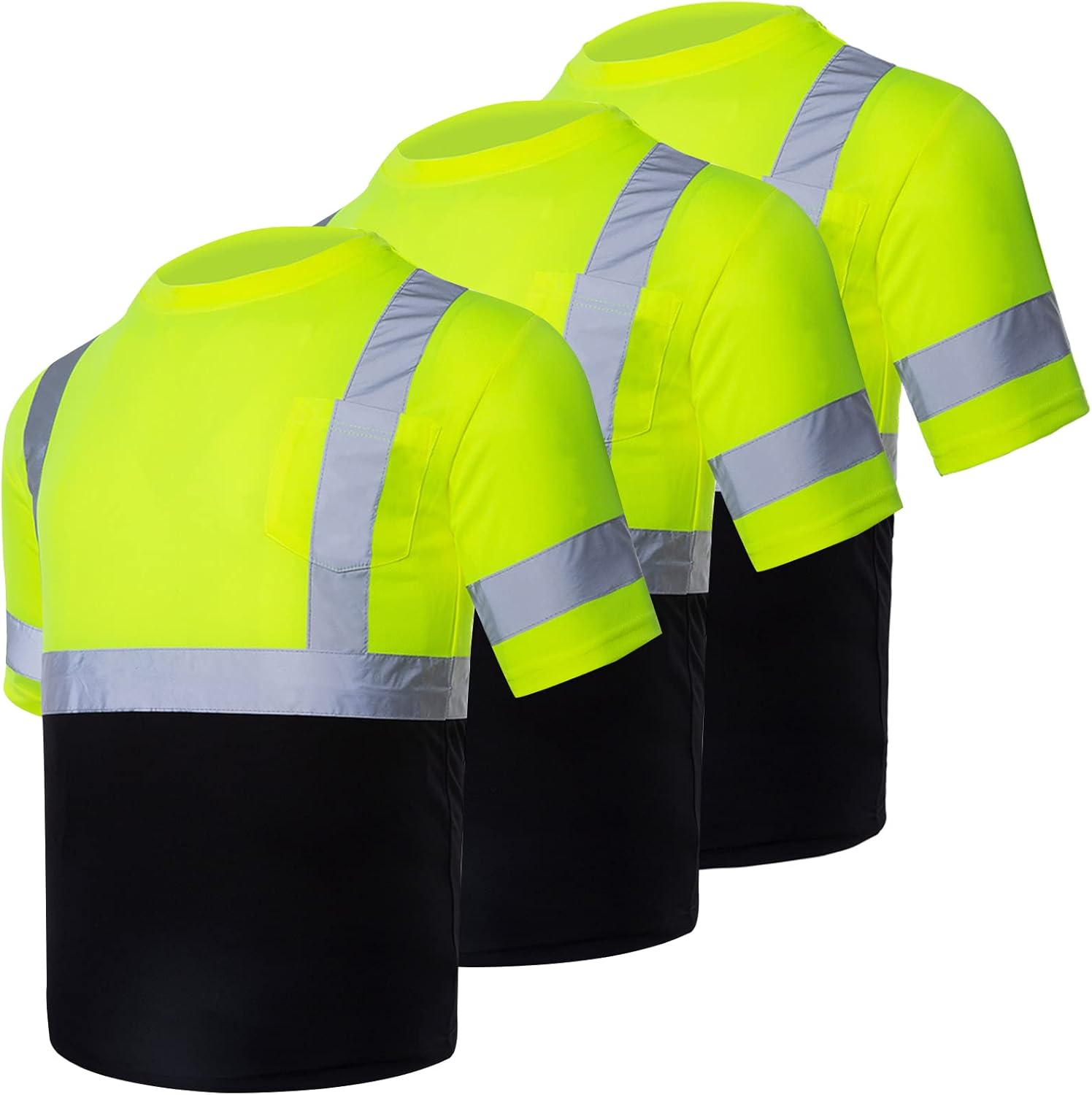
Hi-Vis shirts, also known as high-visibility shirts, are essential for workplace safety, ensuring workers are easily seen in low-light conditions. These shirts are commonly worn by construction workers, road crews, warehouse staff, and emergency responders to minimize accidents and increase visibility in hazardous environments.
The importance of Hi-Vis shirts has grown significantly, with safety regulations making them mandatory in many industries. From fluorescent colors to reflective strips, these shirts enhance a worker’s visibility during day and night.
With many styles, materials, and features available, it’s crucial to choose the right Hi-Vis shirt based on your job requirements and environmental conditions. This guide explores everything you need to know about Hi-Vis shirts, their importance, materials, and industry standards.
What is a Hi-Vis Shirt?
A Hi-Vis shirt is a specially designed safety garment made with bright fluorescent colors and reflective materials to ensure visibility in low-light and high-risk work areas. These shirts are worn by workers in hazardous environments to prevent accidents and increase safety.
Key Features of Hi-Vis Shirts:
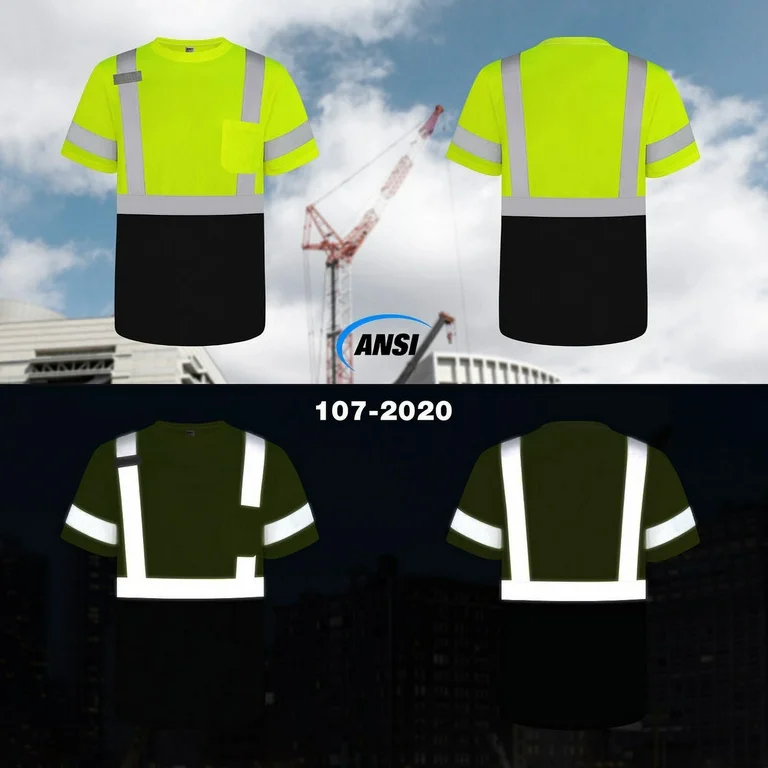
- Bright Colors: Neon yellow, orange, and green for high daytime visibility.
- Reflective Strips: Light-reflecting tape ensures nighttime visibility.
- Durable Materials: Designed for tough work environments.
- Breathability and Comfort: Available in different fabrics for all-weather use.
Hi-Vis shirts come in different styles, including long-sleeve, short-sleeve, moisture-wicking, and flame-resistant options, making them suitable for various industries.
Importance of Hi-Vis Shirts in Safety
Hi-Vis shirts play a crucial role in worker safety, significantly reducing accident risks in environments where visibility is critical.
Why Hi-Vis Shirts Matter:
- Prevents Workplace Accidents: Increased visibility reduces chances of collisions and falls.
- Mandatory in Many Jobs: Required by OSHA, ANSI, and other safety regulations.
- Enhances Road and Construction Safety: Ensures drivers and machinery operators can easily spot workers.
- Boosts Confidence and Productivity: Workers feel safer and more focused when visible.
From construction sites to airport runways, Hi-Vis shirts save lives by making workers more visible in dangerous conditions.
Types of Hi-Vis Shirts
Hi-Vis shirts come in various designs and classifications to suit different job environments.
Common Types of Hi-Vis Shirts:
- Class 1 Hi-Vis Shirts: Suitable for low-risk environments like warehouse work.
- Class 2 Hi-Vis Shirts: Required for workers near traffic or heavy equipment.
- Class 3 Hi-Vis Shirts: Provides maximum visibility for highway workers, emergency responders, and road crews.
Each type meets specific safety standards to ensure workers receive the best protection based on their job hazards.
Materials Used in Hi-Vis Shirts
The effectiveness of Hi-Vis shirts depends on their materials, which provide durability, comfort, and visibility.
Common Materials for Hi-Vis Shirts:
- Polyester: Lightweight, breathable, and highly reflective.
- Cotton: Comfortable but less reflective than synthetic materials.
- Mesh Fabric: Enhances airflow for hot environments.
- Flame-Resistant Fabric: Protects workers in hazardous industries like welding and oil fields.
The right material depends on the working conditions and safety requirements of the job.
Hi-Vis Shirt Standards and Regulations
Safety regulations ensure that Hi-Vis shirts meet specific visibility and durability criteria to protect workers.
Key Hi-Vis Safety Standards:
- ANSI/ISEA 107 (USA): Sets standards for visibility, color, and reflective materials.
- OSHA Regulations: Requires Hi-Vis shirts in construction zones, highways, and hazardous workplaces.
- ISO 20471 (International): Defines Hi-Vis clothing safety requirements worldwide.
Compliance with these standards ensures that workers get maximum protection in high-risk jobs.
Best Colors for Hi-Vis Shirts
Color plays a major role in the effectiveness of Hi-Vis shirts, as brighter colors increase visibility in different conditions.
Most Effective Hi-Vis Shirt Colors:
- Neon Yellow: Best for low-light and dark environments.
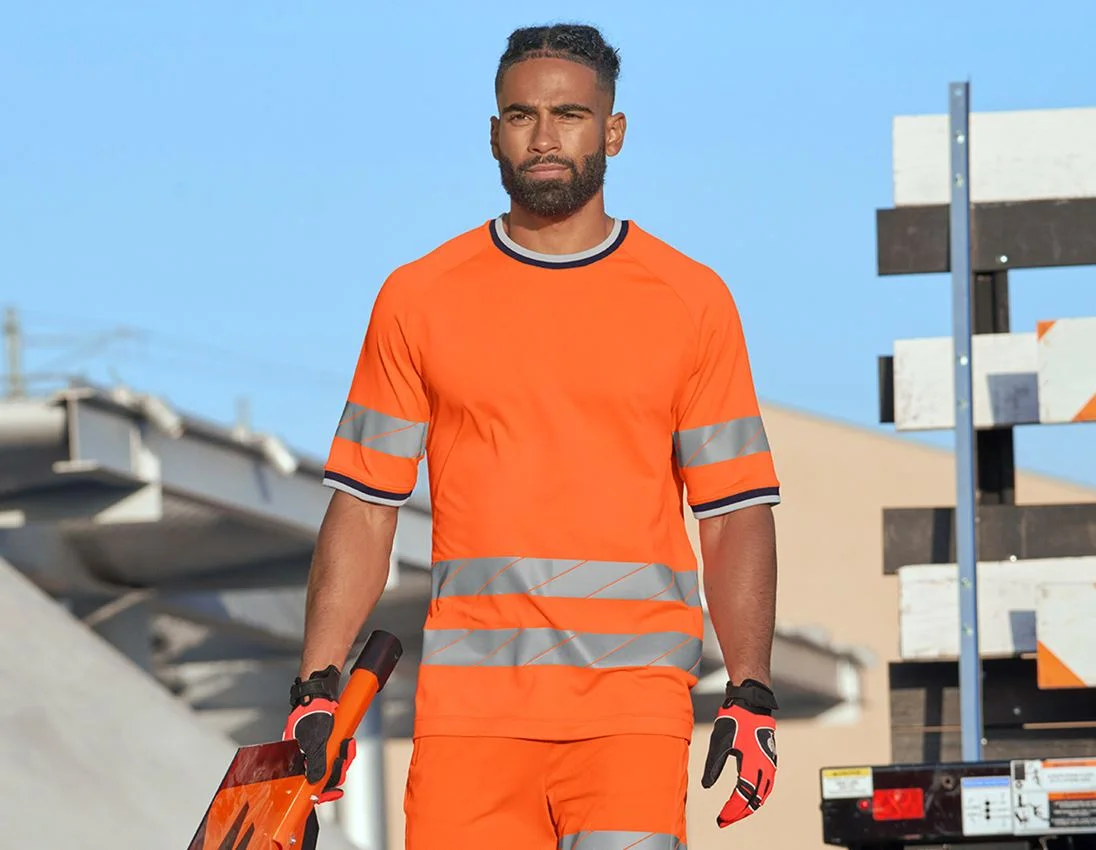
- Neon Orange: Ideal for construction and roadside work.
- Neon Green: Common in warehouse and industrial settings.
These colors stand out against most backgrounds, ensuring workers are easily seen in any environment.
Reflective Strips and Their Role in Visibility
Reflective strips are key components of Hi-Vis shirts, providing visibility at night and in low-light conditions.
Types of Reflective Strips:
- Glass Bead Reflective Tape: Reflects light back toward its source.
- Microprismatic Reflective Tape: More durable and highly reflective.
Reflective strips enhance safety by ensuring workers are seen even in darkness.
Industries That Require Hi-Vis Shirts
Many industries mandate Hi-Vis shirts to protect workers from accidents and hazards.
Industries That Use Hi-Vis Shirts:
- Construction
- Roadwork and Traffic Control
- Warehousing and Logistics
- Emergency Services (Police, Firefighters, EMTs)
- Airport Ground Crews
Hi-Vis shirts are essential in these high-risk workplaces to reduce accidents and improve visibility.
Hi-Vis Shirts for Different Weather Conditions
Hi-Vis shirts are designed for different weather conditions, ensuring year-round safety.
Weather-Specific Hi-Vis Shirts:
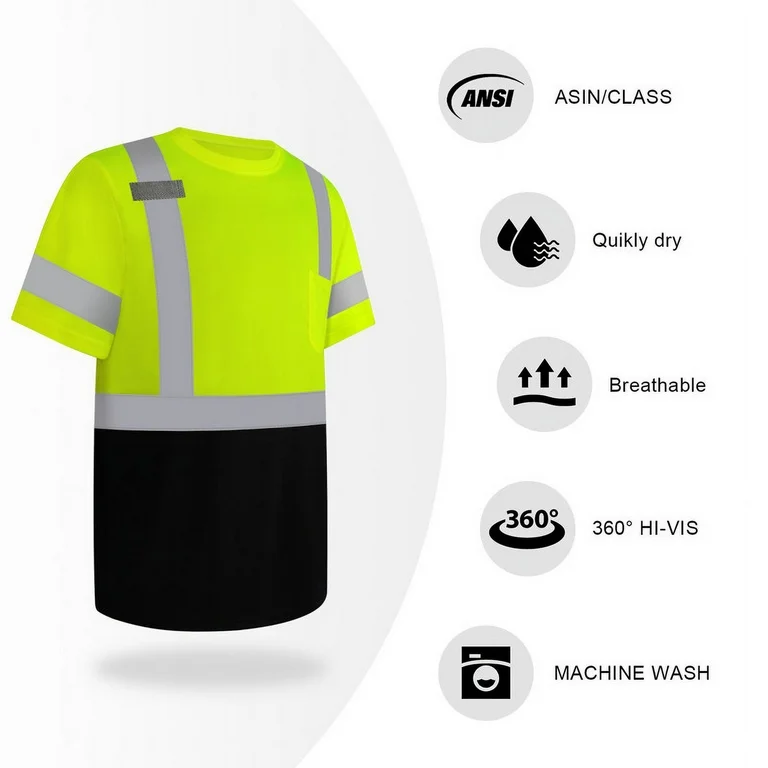
- Summer Hi-Vis Shirts: Lightweight, breathable, and moisture-wicking.
- Winter Hi-Vis Shirts: Insulated and layered for warmth.
- Rainproof Hi-Vis Shirts: Water-resistant materials keep workers dry.
Choosing the right Hi-Vis shirt for weather conditions enhances comfort and protection.
Customizing Hi-Vis Shirts for Branding
Many companies customize Hi-Vis shirts with their logos and branding.
Benefits of Custom Hi-Vis Shirts:
- Professional Appearance
- Employee Identification
- Brand Promotion
Custom Hi-Vis shirts help companies stand out while ensuring worker safety.
How to Maintain and Clean Hi-Vis Shirts
Proper maintenance ensures Hi-Vis shirts remain effective over time.
Cleaning Tips:
- Wash with mild detergent to preserve reflective materials.
- Avoid fabric softeners that reduce brightness.
- Store in cool, dry places to prevent fading.
Regular care extends the lifespan of Hi-Vis shirts, ensuring continuous protection.
Where to Buy the Best Hi-Vis Shirts
Hi-Vis shirts are available at safety gear stores and online retailers.
Top Brands for Hi-Vis Shirts:
- Carhartt
- Radians
- ML Kishigo
- Portwest
Choosing reliable brands ensures you get high-quality Hi-Vis shirts that meet safety standards.
How to Choose the Right Hi-Vis Shirt
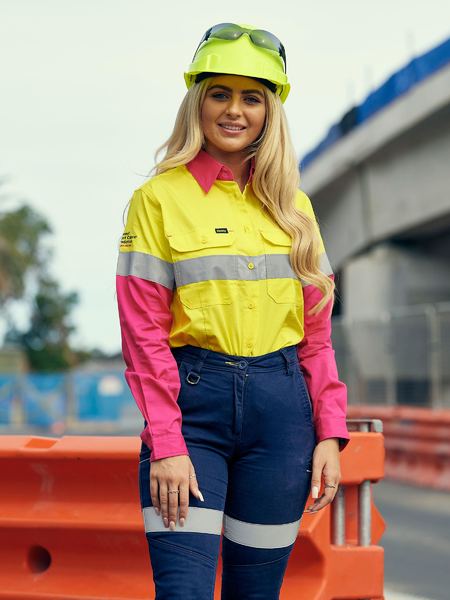
Selecting the right Hi-Vis shirt is crucial for ensuring safety, comfort, and compliance with industry regulations. Different jobs require specific visibility levels, and choosing the right shirt can enhance safety and efficiency.
Key Factors to Consider:
- Job Requirements: Choose Class 1, 2, or 3 based on hazard levels.
- Material: Select breathable fabrics for hot environments and insulated options for cold conditions.
- Reflective Tape: Ensure ANSI-compliant reflective strips for night visibility.
- Fit and Comfort: Look for moisture-wicking and lightweight options for ease of movement.
- Durability: Hi-Vis shirts should withstand harsh working conditions and frequent washing.
Investing in high-quality Hi-Vis shirts ensures maximum protection and long-term use, making them essential for workplace safety.
Caring for and Maintaining Hi-Vis Shirts
Proper maintenance extends the lifespan of Hi-Vis shirts, ensuring they retain brightness and effectiveness.
Best Practices for Hi-Vis Shirt Care:
- Wash in Cold Water: Prevents fading of fluorescent colors.
- Use Mild Detergent: Avoids damage to reflective strips.
- Avoid Fabric Softeners: Reduces the risk of coating reflective materials.
- Store Properly: Keep in a cool, dry place away from direct sunlight.
- Inspect Regularly: Replace if reflective tape is damaged or fabric is worn out.
By following these care tips, workers can ensure their Hi-Vis shirts remain effective and compliant with safety standards.
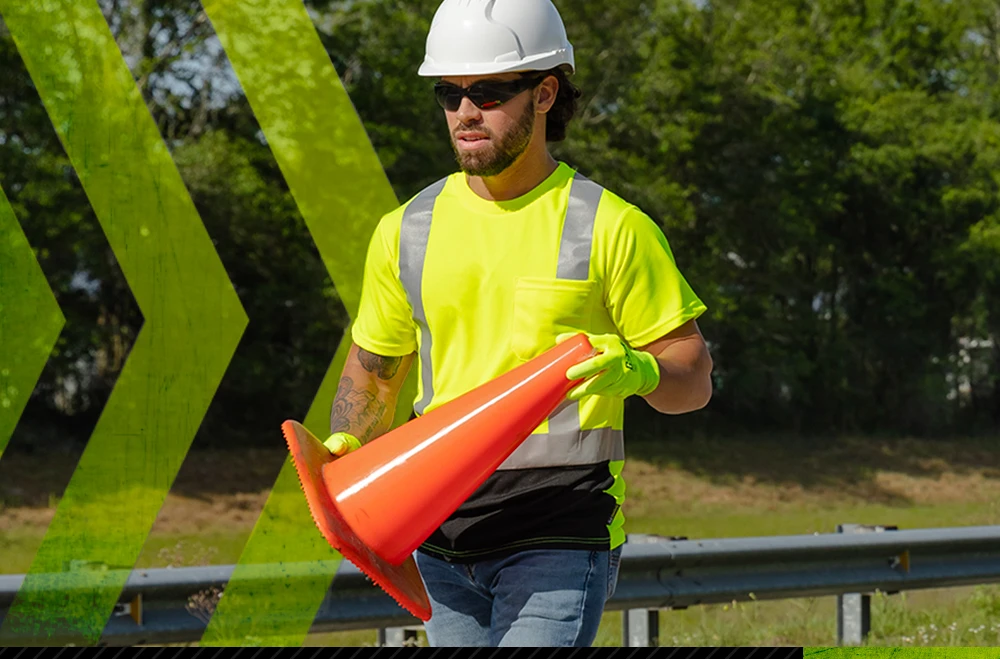
Frequently Asked Questions About Hi-Vis Shirts
How often should I replace my Hi-Vis shirt?
The replacement depends on usage, environment, and wear and tear. On average, Hi-Vis shirts should be replaced every 6 to 12 months. If the color fades or reflective strips become damaged, it’s time for a new one.
Can Hi-Vis shirts be worn in all weather conditions?
Yes, Hi-Vis shirts come in various materials to suit hot, cold, and rainy conditions. Moisture-wicking shirts are great for summer, while insulated options provide warmth in winter.
Do all industries require Hi-Vis shirts?
Not all, but they are mandatory for jobs in construction, roadwork, warehouses, emergency services, and transportation.
How should I wash my Hi-Vis shirt?
Use cold water, mild detergent, and avoid bleach or fabric softeners to maintain brightness and reflectivity.
Conclusion of Hi-Vis Shirts
Hi-Vis shirts are critical for workplace safety, ensuring workers remain highly visible in hazardous environments. They are required in industries where low visibility increases accident risks, including construction, transportation, and emergency services.
Selecting the right Hi-Vis shirt involves considering job-specific requirements, fabric durability, and weather conditions. Investing in high-quality shirts with ANSI-certified reflective strips enhances both comfort and protection.
Regular maintenance and replacement ensure long-lasting visibility. Proper care, such as washing in cold water and avoiding harsh chemicals, preserves their effectiveness.
