

The U.S. government aims to refine the application process, ensure transparency, and protect workers’ rights. Employers must adapt to new registration rules, wage criteria, and compliance measures. The 2026 H-1B cap registration also introduces critical deadlines, making early preparation vital.
For foreign professionals, these changes impact work opportunities, salary structures, and immigration pathways. Understanding these updates helps in strategizing applications, securing approvals, and avoiding pitfalls. This article breaks down all the essential modifications, including policy changes, employer responsibilities, and visa approval insights to help you navigate the system efficiently.
Recent Changes in the H-1B Visa Program
The H-1B visa program has undergone major revisions in 2025 to improve efficiency, transparency, and fairness. The Department of Homeland Security (DHS) implemented new regulations to enhance oversight and prevent fraud, while streamlining approvals for skilled professionals.
Key Changes in 2025:
- Stricter Specialty Occupation Requirements: Job roles must clearly align with the applicant’s educational background.
- Enhanced Employer Accountability: Companies must provide more documentation proving the necessity of hiring foreign professionals.
- Cap-Exempt Organizations: Certain research institutions, universities, and nonprofit organizations now have revised eligibility for H-1B sponsorship.
- Higher Salary Thresholds: Wages must match prevailing industry standards to ensure fair compensation for all workers.
These changes impact both employers and prospective visa holders, making it crucial to understand the new regulatory framework before applying.
H-1B Visa Modernization and Policy Updates
To make the H-1B visa process more efficient, the U.S. government introduced a modernized application system in 2025. The focus is on reducing processing delays, eliminating fraud, and increasing accessibility for highly skilled professionals.
Modernization Measures:
- Online Registration Upgrades: The new digital system enhances transparency and minimizes errors.
- Real-Time Case Tracking: Applicants can now monitor their status via a streamlined USCIS portal.
- Stronger Oversight of Third-Party Employers: To prevent exploitation, stricter rules apply for staffing agencies and third-party contractors.
- Expanded Cap-Gap Benefits for F-1 Students: Protects students from visa status lapses while waiting for approvals.
Employers and applicants should stay updated on these changes to ensure smooth filing, compliance, and approvals under the new regulations.
H-1B Visa Cap Registration for Fiscal Year 2026
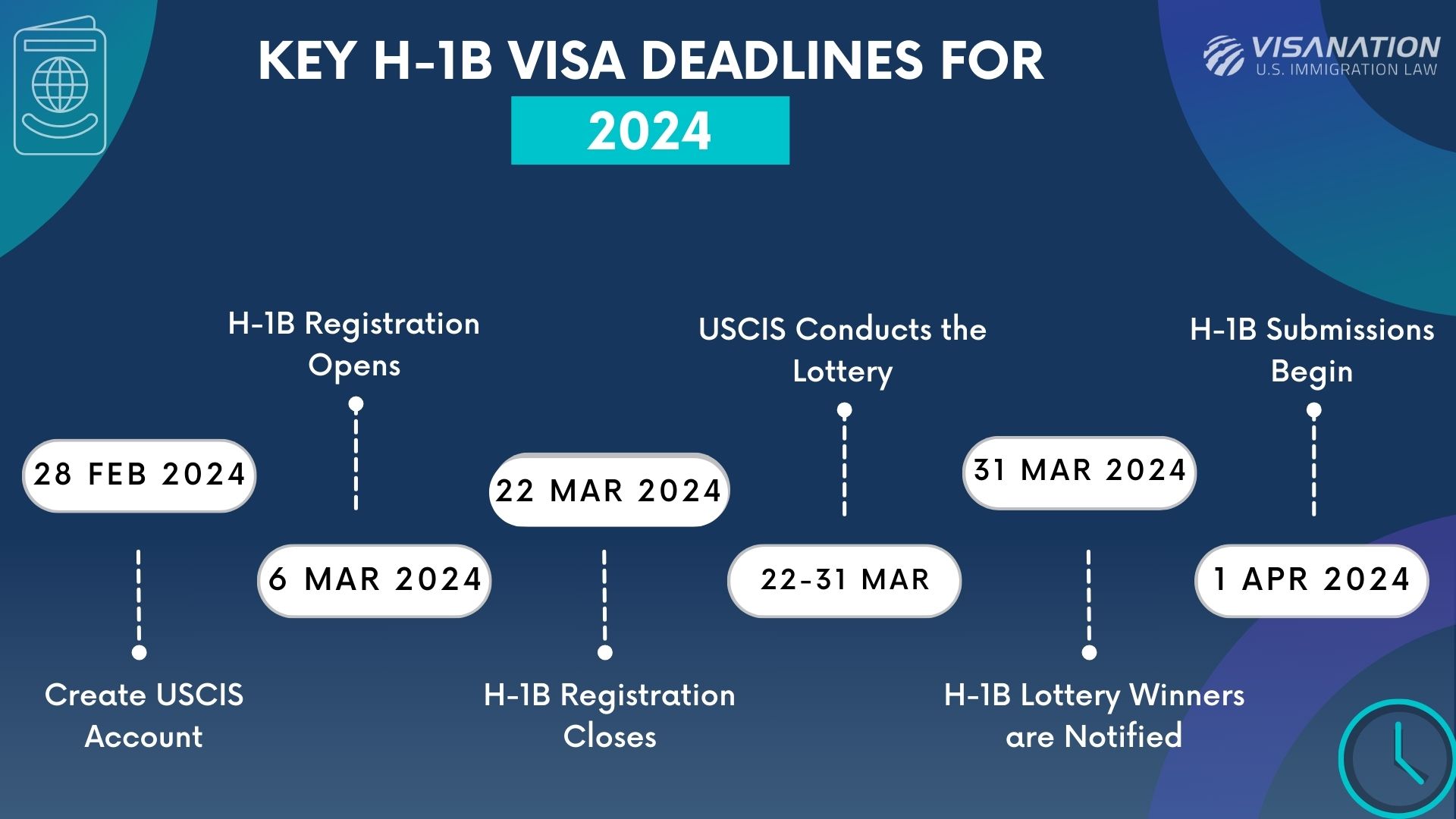
The H-1B cap registration for 2026 is a crucial phase for companies and foreign professionals. The U.S. Citizenship and Immigration Services (USCIS) announced the electronic registration period will be open from March 7 to March 24, 2025.
Registration Process:
- Employers must create a USCIS online account to register prospective employees.
- A $10 registration fee is required for each applicant.
- Random selection process determines who moves forward to the next stage.
Who Should Register?
- Companies hiring skilled foreign workers in specialized fields like IT, finance, healthcare, and engineering.
- F-1 visa holders transitioning to H-1B status.
- Startups and small businesses expanding their talent pool.
Early registration increases chances of selection, making it crucial to prepare ahead of time and file necessary paperwork correctly.
Impact of New H-1B Rules on Employers and Workers
The new H-1B rules create a balanced ecosystem for both employers and skilled professionals.
How Employers Benefit:
- More Clarity on Hiring Process: Companies now receive structured guidelines, reducing ambiguity.
- Stronger Compliance Measures: Clearer policies help prevent legal challenges.
How Workers Benefit:
- Fair Wage Increases: The government enforces higher salary standards.
- Extended Stay for F-1 Students: Avoids status gaps during the transition to H-1B.
Employers must adjust recruitment strategies, while applicants need to ensure eligibility before applying.
Legislative Developments Affecting H-1B Visa Holders
The Equal Access to Green Cards for Legal Employment Act was reintroduced to bring fairness to employment-based immigration.
Key Legislative Changes:
- Removal of per-country limits on employment-based green cards.
- Increased quota for family-sponsored immigrants from 7% to 15%.
- Higher salary requirements for H-1B and L-1 visa holders to prevent underpayment.
These legislative updates impact visa applicants and employers, making it essential to stay compliant with new regulations.
H-1B Visa Application Process and Requirements
Understanding the H-1B visa application process ensures a higher approval rate.
Application Steps:
- Employer files Labor Condition Application (LCA) with the Department of Labor.
- Submit Form I-129 (H-1B Petition) to USCIS.
- If selected, applicant attends consular interview.
Eligibility Requirements:
- Must hold a bachelor’s degree or higher in a specialized field.
- The job must require highly specialized knowledge.
- Employer must offer a salary meeting prevailing wage standards.
Applicants should prepare documents carefully to avoid delays or denials.
H-1B Visa Salary and Wage Requirements Updates
A significant salary increase for H-1B visa holders was enforced in 2025 to align with industry standards.
Updated Wage Policies:
- Employers must match or exceed prevailing wages.
- Salaries should reflect regional and industry-specific benchmarks.
- Stronger penalties for non-compliance and wage fraud.
Higher salary requirements increase financial security for H-1B employees while ensuring fair labor competition.
Effects of H-1B Program Changes on Tech Companies
Tech companies are among the largest users of the H-1B visa program, relying on skilled foreign professionals for software development, data analysis, artificial intelligence, and cybersecurity. The 2025 updates introduce stricter hiring rules, higher wages, and enhanced oversight, significantly affecting how these companies operate.
Key Impacts on Tech Companies:
- Increased Salary Requirements: Companies must pay higher wages to meet the new prevailing wage standards, impacting hiring budgets.
- Stronger Scrutiny on Job Roles: The specialty occupation criteria now require a direct correlation between the applicant’s degree and job duties, reducing flexibility in hiring.
- Challenges for Startups: Smaller tech firms with limited funding may struggle to compete for international talent due to rising salary thresholds.
- Extended Processing Times: Stricter review processes mean delays in work authorization, affecting project timelines and workforce planning.
Despite these challenges, major tech giants like Google, Amazon, and Microsoft continue to invest in H-1B sponsorships. However, they must adapt their hiring strategies and comply with updated regulations to avoid penalties.
Travel Advisories for H-1B Visa Holders
Travel restrictions and border security policies have become more complex for H-1B visa holders, especially following recent deportation incidents. Many universities and employers now advise foreign workers to avoid unnecessary travel to prevent issues at ports of entry.
Why H-1B Holders Should Be Cautious While Traveling:
- Increased Scrutiny at Airports: Officers at U.S. customs and border security conduct stricter document checks, leading to possible denials.
- Risk of Visa Revocation: Cases have emerged where individuals were denied re-entry despite holding valid H-1B approvals.
- Unpredictable Delays in Processing: Some consulates are experiencing longer wait times for visa stamping, affecting work continuity.
- Employer Verification Checks: Officials may request proof of active employment, requiring H-1B holders to carry employment verification letters, recent pay stubs, and job contracts.
Many institutions, including Brown University and MIT, have issued official advisories, urging employees and students to plan international trips carefully and consult immigration attorneys before departure.
Challenges and Future of the H-1B Visa Program
The H-1B program has been a crucial pathway for skilled workers to contribute to the U.S. economy, particularly in technology, healthcare, and engineering. However, recent policy shifts have introduced new challenges and uncertainties for both applicants and employers.
Major Challenges in the H-1B Visa Program:
- High Demand vs. Low Approval Rates: With only 85,000 visas available annually, the lottery system leaves many skilled professionals without work authorization.
- Wage Inflation: New salary mandates require companies to restructure compensation packages, making H-1B sponsorships expensive.
- Stricter Compliance Measures: Increased site visits, audits, and employer verification create legal complexities for companies.
- Legislative Uncertainty: Political shifts impact immigration policies, leading to frequent regulatory changes.
Future of the H-1B Visa Program:
- Potential Expansion of Visa Caps: Legislative proposals may increase the number of available visas, addressing labor shortages.
- Greater Pathways to Green Cards: The push for removing per-country green card limits could offer better job security for H-1B workers.
- Stronger Protections for Visa Holders: Reforms may introduce better safeguards against workplace exploitation and status gaps.
While the H-1B visa program remains competitive, its future depends on policy adaptations, employer strategies, and government decisions.
Frequently Asked Questions about H-1B Visa Updates
What is the most significant change in the 2025 H-1B visa update?
The stricter specialty occupation requirements and higher salary thresholds are the most impactful changes, ensuring fair wages and reducing job misclassification.
How do the new wage requirements affect H-1B applicants?
Employers must pay salaries that match or exceed industry standards, making H-1B positions more competitive but also more financially secure for workers.
Can H-1B holders travel outside the U.S. under the new regulations?
Yes, but travel advisories recommend caution due to increased border scrutiny, visa delays, and risks of re-entry denial even with valid H-1B approvals.
Will the H-1B cap increase in the future?
Several proposed legislations aim to expand the visa cap, but no official decision has been made. Employers and applicants should stay updated on policy changes.
Are there new rules for F-1 students transitioning to H-1B?
Yes, the cap-gap extension now prevents status lapses, allowing F-1 students to continue working while awaiting H-1B approval.
How can companies ensure compliance with new H-1B policies?
Employers should review job descriptions, adjust salaries to meet new standards, and maintain proper documentation to avoid penalties.
Conclusion of H-1B Visa Program Updates 2025
The 2025 H-1B visa updates bring clarity, transparency, and fairness to the immigration system. With higher wages, streamlined applications, and stronger oversight, both employers and applicants must stay updated.
As the 2026 H-1B cap registration approaches, businesses and professionals should prepare early, ensuring compliance with new salary thresholds and policy guidelines. By understanding these changes, navigating the visa process becomes more manageable and effective.
