

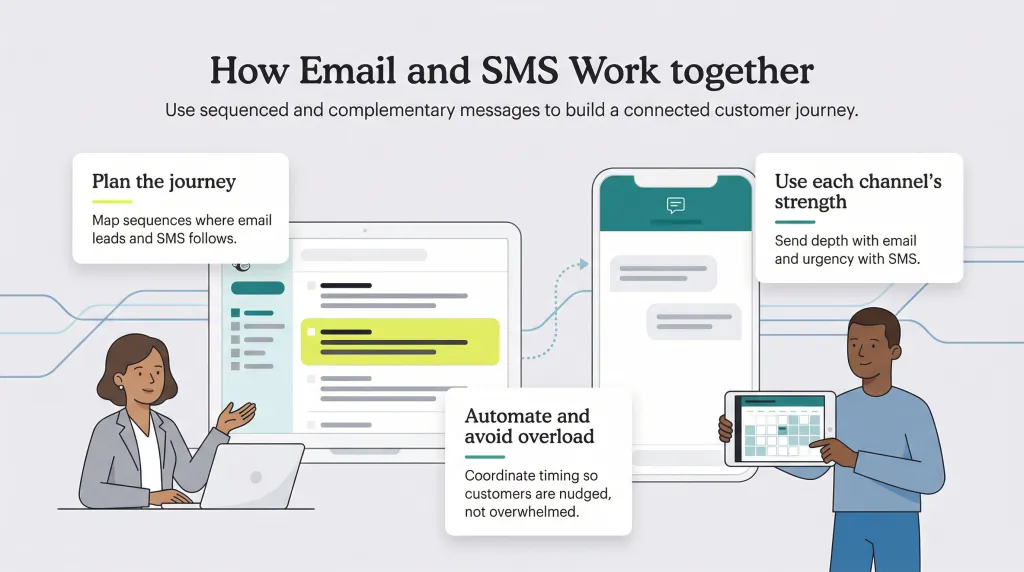
Reaching the right audience has always been at the center of effective marketing, but today’s consumers expect faster communication, more personalization, and a seamless experience across multiple channels. As brands shift from broad outreach to more focused engagement strategies, the transition from traditional email marketing to high intent SMS communication has become a powerful way to deepen relationships. Building a high intent audience requires understanding the strengths of each channel, helping subscribers move naturally from awareness to action, and creating moments of connection that feel timely and valuable.
The Role of Email in Early Engagement
Email remains one of the strongest channels for attracting new subscribers and introducing people to a brand. It is a familiar, low-pressure way for consumers to explore content, learn about products, and get comfortable with the brand’s voice. Because email allows more space for storytelling, brands often use it to share updates, showcase values, and highlight educational resources.
This early-stage communication plays a critical role in warming up an audience. When someone signs up for a newsletter or downloads a resource, they are expressing curiosity, not necessarily intent. Email helps nurture that curiosity by offering value over time. As subscribers become more engaged, brands can begin guiding them toward higher touch channels. Email builds the foundation, setting expectations of trust and relevance before inviting subscribers to opt in to more immediate forms of communication.
Why SMS Builds Higher Intent
While email lays the groundwork, SMS excels at driving action. Text messages are opened more quickly, read more consistently, and acted on more decisively. When someone gives a brand permission to message their phone directly, that level of access indicates stronger interest and readiness to engage.
SMS also encourages immediacy. Consumers use their phones for scheduling, reminders, and daily tasks, so messages delivered by text are naturally woven into routines. Brands can use SMS to send appointment reminders, timely promotions, urgent notifications, or personalized updates that would likely go unnoticed in an inbox. This combination of speed and relevance is why brands increasingly use both channels in tandem rather than viewing them as competitors.
Building a Seamless Journey Between Channels
To create a high intent audience, brands must design a thoughtful pathway that guides people from email to SMS without pressure. The transition should feel like a natural next step rather than a sudden shift.
One common strategy is offering SMS only benefits, such as exclusive alerts or early access to limited items. By highlighting the unique value of the text channel, brands show subscribers why the additional opt-in is worthwhile. Rewarding SMS signups with a welcome offer, insider content, or VIP notifications can also motivate higher commitment.
Another effective tactic is using email to preview the advantages of joining the SMS list. For example, a brand might spotlight customer stories about improved experiences or showcase real examples of valuable messages. When subscribers understand the purpose behind SMS communication, they are more likely to view the channel positively and opt in with confidence.
Communities that blend both channels, such as those using a short code texting service, benefit from streamlined delivery and reliable infrastructure. This creates a more professional and consistent user experience, reinforcing the sense that SMS messages are purposeful rather than intrusive.
Crafting Messages That Strengthen Intent
Once subscribers join the SMS list, the quality of communication becomes essential. SMS should not replicate email content. Instead, it should deliver concise, relevant messages that respect the user’s time and attention.
High intent messaging often focuses on:
- Timely updates that require quick action
- Personalized reminders based on previous interactions
- Invitations to exclusive events or offers
- Alerts about changes, openings, or urgent opportunities
- Simplified steps to complete an action
Brands must also maintain balance. Too many messages can reduce trust and lead to opt outs. Thoughtful pacing ensures the audience remains eager to open and engage with each text.
Transparency is equally important. Letting subscribers know what type of messages they will receive and how often they can expect them helps maintain comfort and trust. When the messaging experience feels respectful, it strengthens long-term loyalty.
Using Data to Refine the High‑Intent Path
Email and SMS both generate valuable insights that help brands optimize engagement. Email metrics such as open rates, click throughs, and scroll depth reveal which subscribers are ready for deeper interaction. SMS metrics capture responsiveness, conversion patterns, and timing preferences.
By analyzing behavior across both channels, brands can tailor their messaging to align with audience needs. For example, someone who consistently clicks product links but does not purchase may benefit from a timed SMS reminder or a personalized offer. Likewise, if certain SMS messages receive lower engagement, brands can adjust timing, content, or frequency to better match audience expectations.
Data driven refinement ensures that the journey from email to SMS remains user focused. When messaging feels personal and responsive, intent naturally increases.
Conclusion
Building a high intent audience requires a thoughtful approach that respects consumer preferences and emphasizes value at every stage. Email introduces people to the brand and nurtures early interest, while SMS delivers timely, action oriented messages that deepen engagement. When combined strategically, these channels create a seamless path from curiosity to commitment. With clear communication, meaningful incentives, and consistent refinement, brands can cultivate an audience that is engaged, responsive, and genuinely invested in the connection.
