

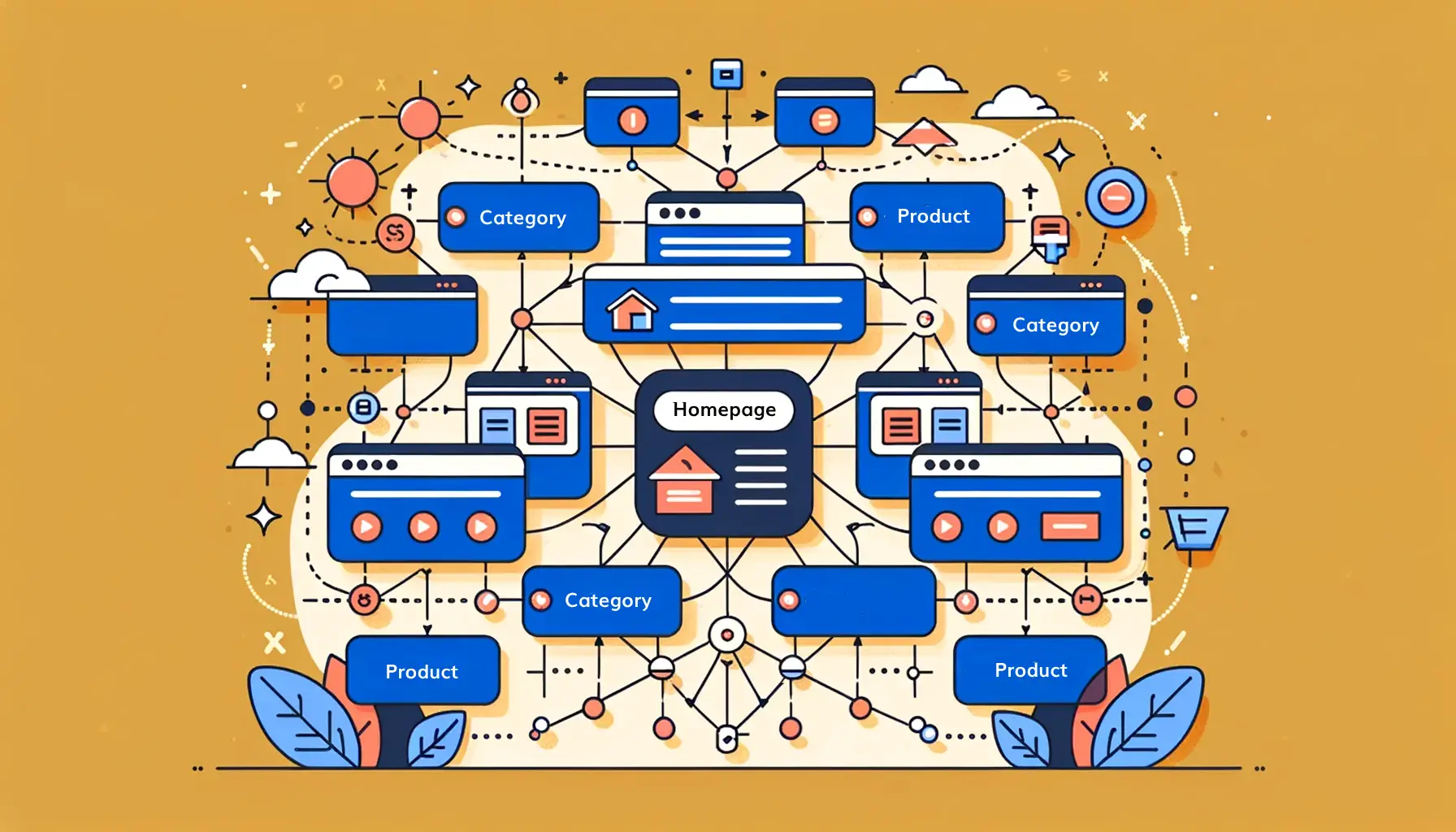
Internal linking is a crucial aspect of SEO that often goes underappreciated. These links connect various pages on your website, helping search engines understand the structure and significance of your content. Here are five effective strategies to maximize your internal links and boost your SEO performance.
Why are Internal Links Important for SEO?
Internal links are vital for SEO because they improve website navigation, enhance user experience, and help search engines understand the structure and hierarchy of your content. By connecting related pages, internal links ensure that users can easily find additional information, keeping them engaged and reducing bounce rates. Additionally, these links distribute page authority throughout your site, helping less prominent pages gain visibility and ranking potential. Last but not lease, internal links assist search engine crawlers in indexing all pages, ensuring comprehensive coverage and boosting overall search performance.
1. Prioritize Contextual Linking
Contextual links are those found within the body of your content. These links are highly valuable because they provide users with relevant information and context. To enhance your SEO, ensure that your internal links are embedded within the text rather than in footers or sidebars. This practice not only improves user experience but also signals to search engines that the linked content is pertinent and valuable.
2. Use Descriptive Anchor Text
Anchor text refers to the clickable text in a hyperlink. Using descriptive, keyword-rich anchor text can significantly impact your SEO. Avoid generic phrases like “click here” or “read more.” Instead, opt for specific terms that accurately describe the content of the linked page. This approach helps search engines understand the relationship between the linked pages and enhances your site’s relevance for those keywords.
3. Implement a Logical Linking Structure
A well-organized internal linking structure ensures that all pages on your site are easily accessible to both users and search engines. Start by linking important pages such as cornerstone content, which covers essential topics in depth. Additionally, ensure that less significant pages also receive some internal links to maintain a balanced structure. A logical linking framework enhances site navigation and distributes link equity effectively.
4. Regularly Update and Audit Links
SEO is not a one-time effort but an ongoing process. Regularly review and update your internal links to ensure they remain relevant and functional. Broken links can harm your SEO and user experience, so use tools like Google Search Console to identify and fix them promptly. Auditing your internal links also allows you to add new links to recent content, keeping your site fresh and updated.
5. Leverage Related Posts and Content Hubs
Creating content hubs or clusters around specific themes can greatly enhance your internal linking strategy. By interlinking related posts, you create a network of content that covers a topic comprehensively. This approach not only improves SEO by increasing the depth of coverage on a subject but also enhances user engagement by providing them with a wealth of related information.
Conclusion
Optimizing your internal links is a powerful way to improve your website’s SEO and user experience. By focusing on contextual linking, using descriptive anchor text, maintaining a logical structure, regularly auditing your links, and leveraging content hubs, you can create a robust internal linking strategy that drives traffic and enhances your site’s authority. If you need assistance creating a strong internal linking strategy, reach out to an expert team of digital marketers that specialize in SEO.
