

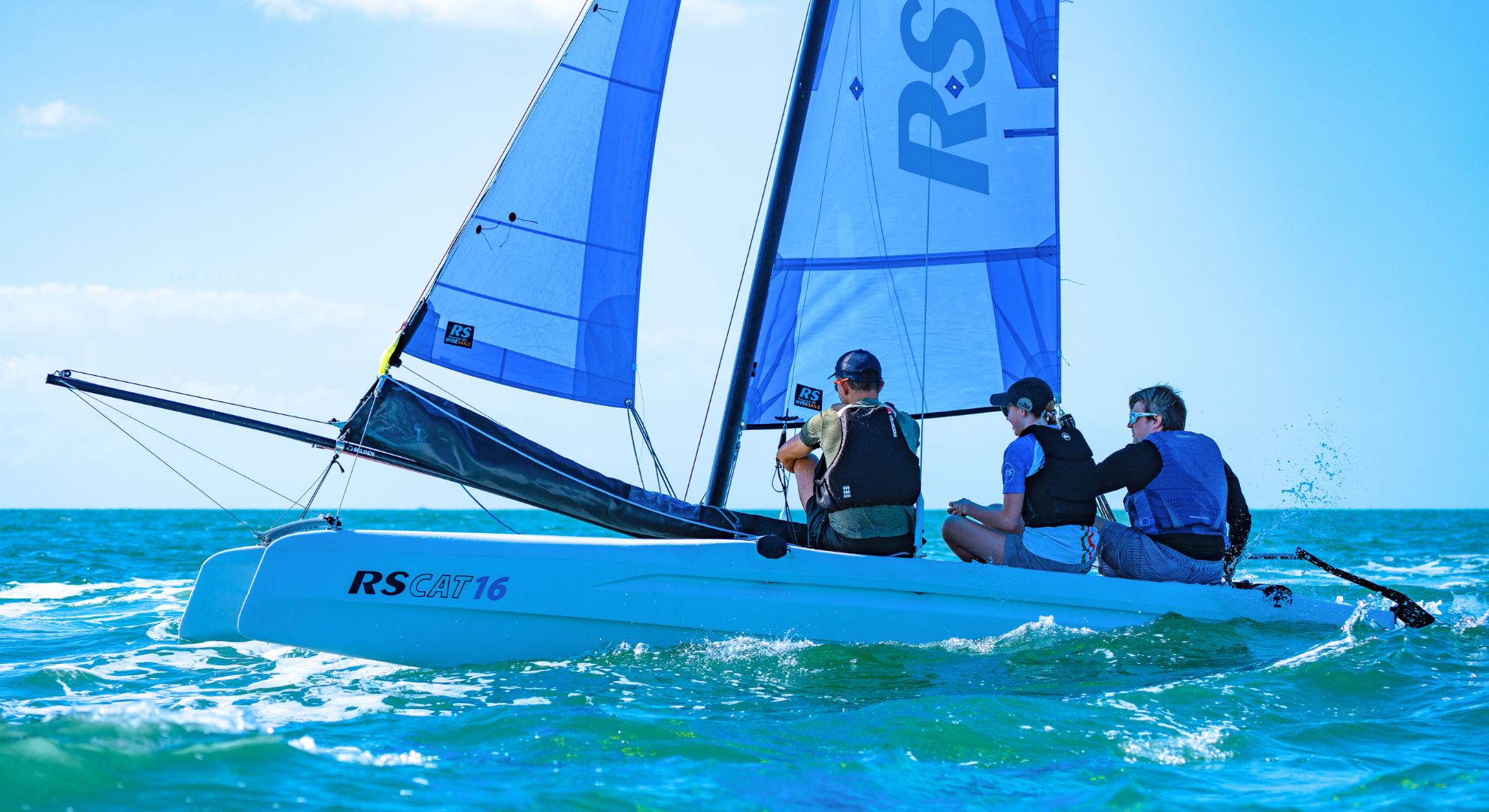
Learning to sail a catamaran is an exciting adventure that combines fun with valuable lessons. It is about much more than just moving across the water. Sailing teaches control, focus, and patience. Many people join sailing lessons for enjoyment, but they leave with skills that improve their confidence both on the boat and in daily life.
A beginner catamaran sailing course is designed to give learners the right mix of knowledge and practice. The training covers safety, technical basics, and teamwork, while letting participants experience the thrill of sailing. In this article, we will explore the main skills gained through the course and explain how they help people on the water and beyond.
Learning to Keep Balance
Balance is one of the first challenges beginners face. Although catamarans are steadier than many other boats, the movement of the waves and wind still affects them. Students learn how to move smoothly, keep their feet steady, and adjust their bodies as the boat shifts. Over time, this balance becomes natural. It helps sailors remain calm when the water is unsteady and builds confidence in handling changing conditions.
Reading Wind and Water
Wind and water are the driving forces of sailing, and understanding them is key. Beginners are taught how to read wind direction, set the sails, and steer correctly. With practice, they begin to sense changes and respond at the right time. This awareness teaches them how to make good choices and stay prepared. By noticing how nature interacts with the boat, sailors build a connection to their surroundings while learning important technical skills.
Teamwork and Communication
A catamaran is best handled with cooperation. Students quickly discover that good sailing depends on working together. From adjusting ropes to shifting weight, every move requires coordination. During the course, they learn to speak clearly, give short instructions, and listen to others. These lessons in communication are reinforced on the spot because the results are visible right away. A crew that works well keeps the boat steady, while poor teamwork makes things harder. Many learners later find that these habits help them in school, work, or group activities.
Staying Safe and Ready
Safety is a central part of every sailing course. Instructors teach beginners how to react to surprises like sudden strong winds or even a capsize. They practice recovering the boat, pulling each other back on board, and staying calm during stressful moments. These drills build trust and prepare learners for real situations. Safety lessons also include habits that stay useful beyond sailing, such as checking equipment, spotting risks early, and staying alert.
Important Safety Skills Taught
- Using and checking life jackets correctly
- Learning useful knots for different needs
- Practicing how to recover from a capsize
- Knowing right-of-way rules to avoid crashes
Gaining Confidence on the Water
By the end of training, many beginners are amazed at how much they have learned. They start with little knowledge and finish with the ability to sail a catamaran on their own. Steering, adjusting sails, and responding to changes in wind give them a strong sense of pride. This independence is more than a sailing skill; it shows them they can learn complex tasks and handle new challenges with confidence.
A sailing course on a catamaran gives far more than a simple water activity. It teaches balance, awareness, teamwork, safety, and independence. These lessons continue to be valuable in everyday life long after the course ends. Joining a beginner catamaran sailing course is a chance to build confidence while enjoying the open water. Sailing is more than a pastime; it is an experience that builds personal growth and strength.
