

Contents
- 1 Overview of Cream Chargers and Their Composition
- 2 Environmental Impact of Cream Chargers
- 3 Frequently Asked Questions
- 3.1 What are the ecological consequences of discarded whipped cream chargers?
- 3.2 Can the metal from cream chargers be recycled?
- 3.3 How does the production of cream chargers affect the environment?
- 3.4 Are there eco-friendly alternatives to traditional cream chargers?
- 3.5 In what ways does nitrous oxide from cream chargers contribute to greenhouse gas emissions?
- 3.6 What regulations are in place to minimize the environmental impact of cream chargers?
Overview of Cream Chargers and Their Composition
Cream chargers play a significant role in the culinary industry, especially in the production of whipped cream. Their composition and the substances they contain are essential for their functionality.
Cream Chargers and Nitrous Oxide
Cream chargers contain nitrous oxide (N2O), which is the primary component responsible for whipping cream. N2O is a colorless gas known for its effectiveness in creating whipped cream by infusing it with tiny gas bubbles. This process requires a whipped cream dispenser, which holds the liquid cream and the charger.
Nitrous oxide is also a potent greenhouse gas. It has a global warming potential about 300 times greater than carbon dioxide. Users should be aware of this when considering environmental impacts. Despite being efficient in the kitchen, the environmental effects of N2O emissions are substantial.
Manufacturing Process of Cream Chargers
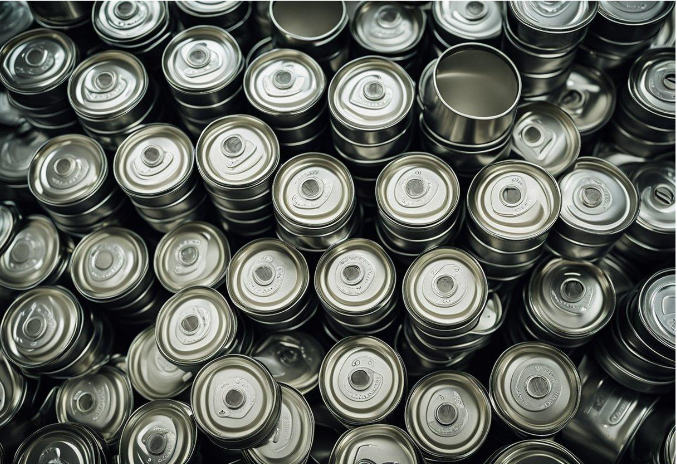
Manufacturers produce cream chargers by filling steel cylinders with nitrous oxide. The cylinders are usually small and disposable, made from robust steel to withstand the high pressure of the gas inside. These steel cylinders have a uniform size that fits standard whipped cream dispensers.
The manufacturing process involves strict quality control to ensure safety and effectiveness. It includes precise gas filling and sealing methods. Some companies are now focusing on reducing the environmental impact by recycling materials or developing reusable chargers. These efforts aim to address both performance and sustainability in the market of cream chargers.
Environmental Impact of Cream Chargers
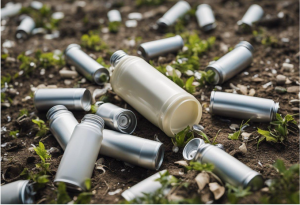
Cream chargers have a notable effect on the environment, particularly through their contribution to greenhouse gases, waste management challenges, and the potential for sustainable alternatives. To understand the broader implications, you can explore the fast gas environmental impact for more detailed insights.
Contribution to Greenhouse Gases
Cream chargers utilize nitrous oxide (N2O) as a propellant. This gas is a powerful greenhouse gas that is about 300 times more efficient than carbon dioxide (CO2) in trapping heat in the atmosphere. This substantially increases global warming risks.
The widespread use of cream chargers in both homes and commercial kitchens means that their collective impact on the environment is significant. Reducing the carbon footprint of these devices is crucial for mitigating their environmental harm.
Waste and Recycling Challenges
One of the primary challenges related to cream chargers is managing the waste they produce. In many cases, these chargers end up in landfills, contributing to environmental pollution. Proper disposal methods are often not followed, leading to greater environmental strain.
Recycling programs specifically designed for cream chargers are limited, making it difficult to ensure eco-friendly disposal. Users need to be conscious of recycling options available and strive to reduce waste through proper practices.
Sustainable Alternatives to Traditional Cream Chargers
There are emerging sustainable alternatives to traditional cream chargers that aim to lessen environmental damage. Some companies are developing chargers made from recyclable steel, which can be reused multiple times.
These eco-friendly materials help cut down on waste and resource consumption. Encouraging the use of these alternatives can lead to more sustainable practices in culinary arts, ultimately benefiting the environment.
Frequently Asked Questions

You may have many questions about the environmental impact of cream chargers. Below, you will find answers related to their disposal, recycling, production, and alternatives.
What are the ecological consequences of discarded whipped cream chargers?
Discarded cream chargers often end up in landfills, contributing to metal waste. Improper disposal can lead to soil and water contamination, which harms wildlife and ecosystems.
Can the metal from cream chargers be recycled?
Yes, cream chargers made from recyclable steel can be recycled. They should be emptied completely before being placed in a recycling bin to ensure proper handling and processing.
How does the production of cream chargers affect the environment?
The production of cream chargers involves energy-intensive processes. Extracting and refining metals like steel and producing nitrous oxide can result in carbon emissions and resource depletion.
Are there eco-friendly alternatives to traditional cream chargers?
Eco-friendly cream chargers, made from recyclable steel, are available and can be a more sustainable option. These chargers offer durability, safety, and the benefit of being reusable and recyclable, minimizing environmental impact.
In what ways does nitrous oxide from cream chargers contribute to greenhouse gas emissions?
Nitrous oxide is a potent greenhouse gas, significantly contributing to global warming. When released into the atmosphere, it can trap heat and contribute to climate change. Proper handling and disposal are crucial to minimize these emissions.
What regulations are in place to minimize the environmental impact of cream chargers?
Several regions have regulations to ensure the safe disposal and recycling of cream chargers. These regulations aim to reduce metal waste, promote recycling, and minimize harmful emissions, helping protect the environment from adverse effects.
