

Creating and maintaining a cleaner, healthier environment is a priority for families, businesses, and communities worldwide. Technological advancements and widespread awareness about sustainability are inspiring new approaches to hygiene and disinfection. For organizations seeking excellence, JAN-PRO Cleaning & Disinfecting in Delaware Valley remains a leader in delivering solutions that support health, safety, and eco-conscious living. These new methods not only keep spaces spotless but also ensure that every action taken benefits the environment—and those within it.
Innovative cleaning isn’t just about using better products; it’s about understanding how the tools and technologies chosen today impact tomorrow. With more safe alternatives available than ever, individuals and businesses are empowered to make choices that protect both human health and the planet. From green ingredients to advanced devices and sustainable packaging, these strategies offer superior results without compromise.
Amid increased demand for cleanliness and transparency, cleaning professionals are rethinking routines and investing in intelligent solutions. Whether you’re responsible for home sanitation or managing hygiene in larger commercial settings, modern advancements streamline operations while prioritizing safety and sustainability.
For organizations, delegating these responsibilities to trusted providers ensures every space remains protected. Businesses benefit significantly from commercial cleaning services tailored to contemporary health and safety needs, promoting peace of mind for staff and visitors alike.
Green Cleaning Products
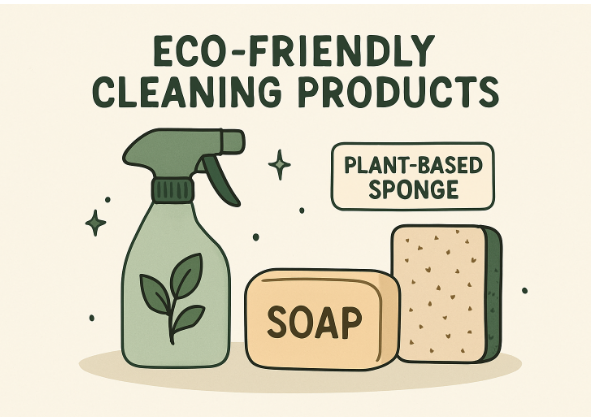
Traditional cleaning agents often contain synthetic chemicals that linger in the air and waterways, posing potential health and environmental risks. Today’s green cleaning products, however, are formulated from safe, naturally derived ingredients. For example, plant-based solutions use enzymes or essential oils to tackle dirt with no harsh aftereffects, reducing exposure to toxins and allergens. These alternatives work as effectively as conventional chemicals while minimizing environmental impact.
Leading brands are innovating with ingredients like coconut-derived surfactants, citrus extracts, and probiotics, ensuring every swipe, spray, and rinse is as gentle on the earth as it is tough on germs.
UV-C Disinfection
Ultraviolet-C (UV-C) disinfection is revolutionizing surface cleaning across healthcare, educational, and commercial facilities. This non-chemical approach harnesses short-wave ultraviolet light to destroy pathogens at the cellular level, delivering a chemical-free sanitization strategy. Because UV-C devices can quickly treat high-touch surfaces without leaving residue, they are invaluable in settings where hygiene is crucial—such as hospitals, clinics, and schools.
Studies have shown that UV-C light, when used correctly, can eradicate a significant percentage of viruses and bacteria, helping reduce the risk of cross-contamination.
Electrostatic Spraying
Electrostatic spraying has emerged as a solution for achieving thorough and even disinfection of large or complex surfaces. This technology charges cleaning particles as they exit the sprayer, causing them to adhere more effectively to surfaces. The result is a comprehensive coat that maximizes germ elimination while conserving cleaning solution and reducing chemical waste.
Particularly popular in schools, gyms, and office buildings, electrostatic spraying ensures sanitation in hard-to-reach areas, supporting both operational efficiency and eco-friendliness.
Smart Cleaning Technologies
Digital innovations are transforming cleaning routines from reactive chores to proactive, data-driven strategies. Integrating Internet of Things (IoT) sensors with artificial intelligence, cleaning teams can monitor foot traffic, restocking needs, and space occupancy in real time. With AI-based scheduling tools, maintenance tasks are optimized, allowing for resource-efficient cleaning that reduces redundant effort and unnecessary chemical use.
These smart technologies also provide organizations with insights into performance and environmental impact, enabling meaningful improvements over time.
Microbial Cleaners
Unlike conventional cleaners that stop working once dry, microbial or “probiotic” cleaners continue breaking down organic matter for hours. These environmentally friendly products contain beneficial bacteria that digest soil, grease, and odors, delivering ongoing cleanliness. This makes them especially useful for kitchens, restrooms, and public spaces where persistent grime can linger.
In addition to maintaining cleanliness, these solutions are biodegradable and safe for regular use, reducing reliance on strong chemicals.
DIY Cleaning Solutions
More consumers are choosing to make their own cleaning products, combining affordability with the assurance of safe, personalized formulations. Common ingredients like castile soap, baking soda, vinegar, and essential oils offer powerful cleaning potential minus synthetic additives or surplus packaging. Favorite blends include citrus-infused vinegar for streak-free windows and baking soda pastes for tough stains.
Customizing cleaning agents also helps reduce single-use plastics and enables users to adjust formulas for sensitive surfaces and preferences.
Sustainable Packaging
As consumers grow more aware of environmental challenges, sustainable packaging is becoming a new industry standard. Refillable containers, concentrated formulas, and zero-waste packaging not only reduce landfill waste but also offer cost efficiencies in shipping and storage. Leading brands now provide eco-friendly refill stations and compostable containers, further shrinking the carbon footprint of cleaning routines.
Switching to these packaging alternatives means supporting a cycle that values both convenience and sustainability, driving the cleaning industry closer to a zero-waste future.
Conclusion
The evolution of cleaning practices represents more than just a trend—it’s a movement toward healthier, smarter, and more responsible living. Embracing innovative techniques such as green products, UV-C disinfection, advanced sprayers, and sustainable packaging not only keeps environments spotless but also safeguards collective well-being and the planet. By making informed choices and partnering with trusted providers, individuals and organizations can establish welcoming, safe spaces while contributing to a lasting legacy of health and sustainability.
