

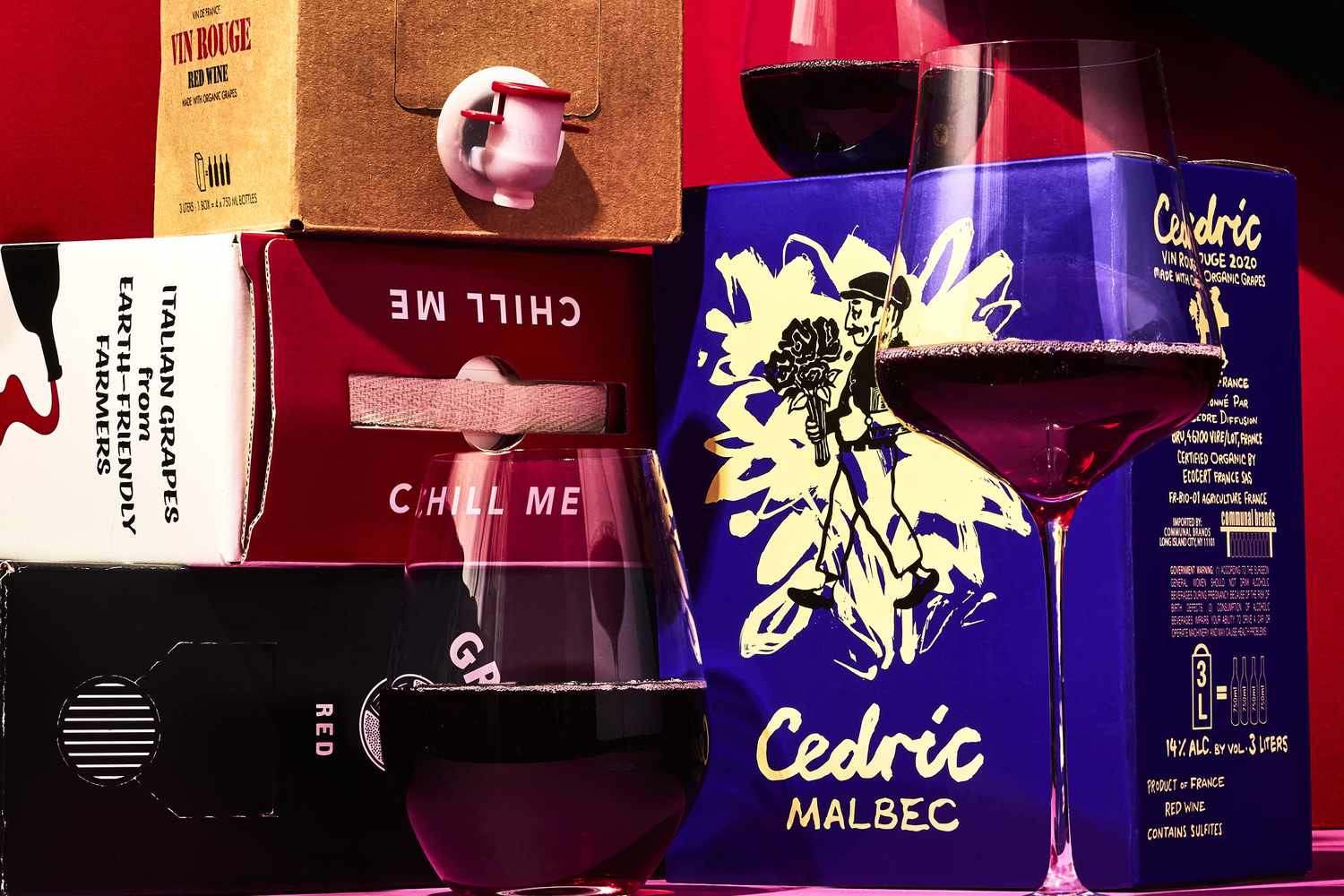
Box Wine has transformed the way people enjoy wine, offering a cost-effective, eco-friendly, and long-lasting alternative to traditional bottles. Unlike the old misconception that boxed wine is low-quality, many top wineries now produce high-quality box wines that rival bottled options in taste and complexity.
This innovative packaging consists of a durable, airtight bag inside a cardboard box with a spout for easy pouring. The design helps preserve freshness for weeks after opening, making it a perfect choice for casual drinkers and large gatherings.
Box Wine has gained popularity due to its affordability, convenience, and reduced carbon footprint. With advancements in winemaking technology, many premium box wine brands offer rich flavors, smooth textures, and diverse varietals that cater to different palates. Whether you are a wine enthusiast or just looking for a budget-friendly option, Box Wine is a modern solution to a centuries-old tradition.
What is Box Wine? Understanding the Modern Alternative
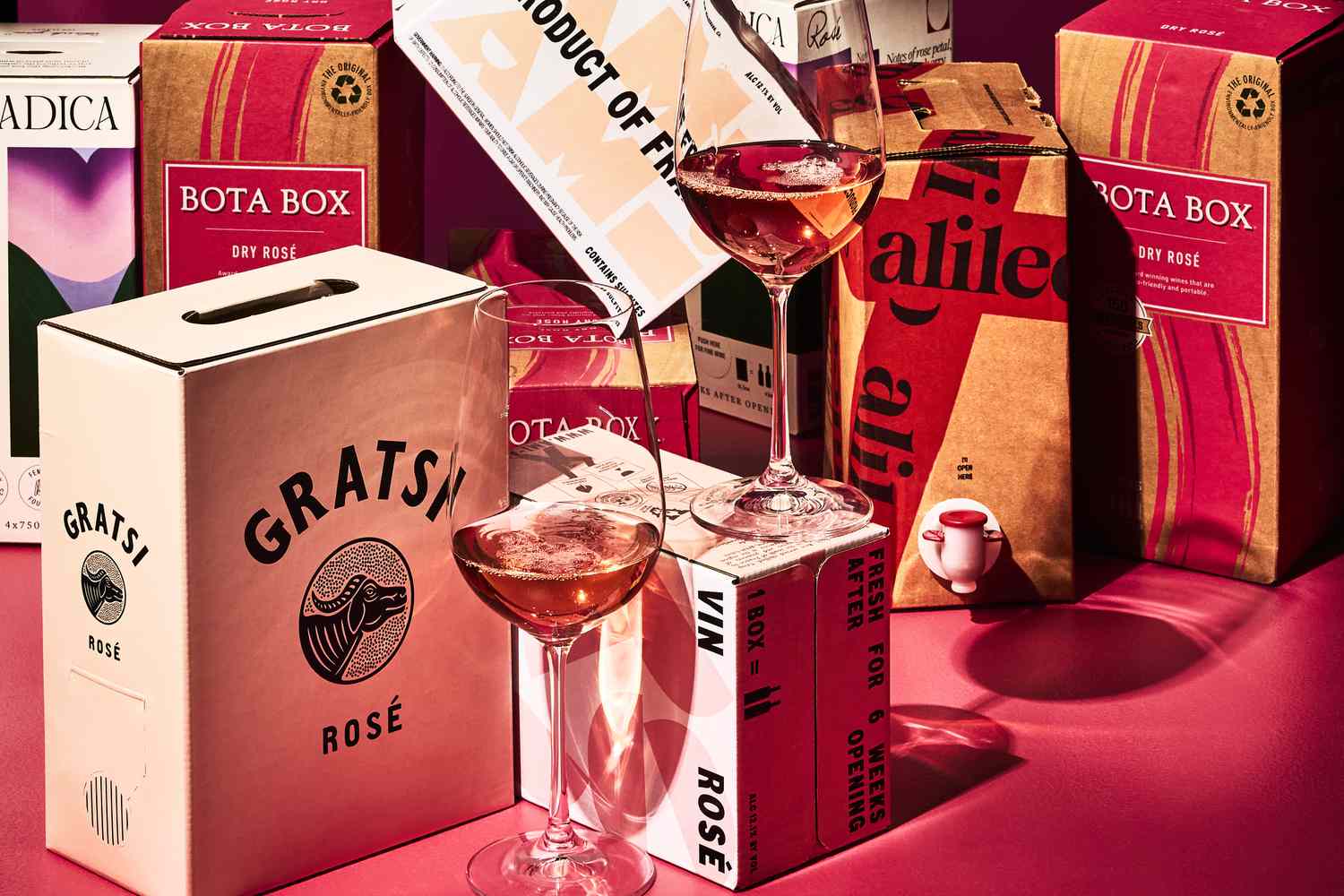
Box Wine, also known as cask wine or bag-in-box wine, is a type of wine packaging that offers convenience, affordability, and sustainability. Instead of traditional glass bottles, Box Wine is stored in a sealed plastic bladder inside a cardboard box, preventing oxidation and keeping the wine fresh for weeks.
Why Choose Box Wine?
- Longer Freshness – Stays fresh for up to 6 weeks after opening.
- Eco-Friendly – Produces 85% less waste than bottled wine.
- Cost-Effective – Offers more wine per dollar compared to bottled versions.
- Convenient Dispensing – The built-in tap makes it easy to pour without corks or openers.
Comparison Table: Box Wine vs. Bottled Wine
| Feature | Box Wine | Bottled Wine |
| Packaging | Bag-in-box system | Glass bottle with cork/screw cap |
| Freshness After Opening | 4-6 weeks | 3-5 days |
| Environmental Impact | Lower carbon footprint | Higher waste production |
| Convenience | Easy to store and transport | Requires careful handling |
With its modern packaging and improved quality, Box Wine is an excellent choice for casual drinkers, parties, and those looking for sustainable wine options.
History and Origins of Box Wine: From Innovation to Global Success
Box Wine was first introduced in 1965 by Australian winemaker Thomas Angove, who patented the bag-in-box design. His invention aimed to reduce packaging costs and extend wine freshness. However, early versions required users to cut the corner of the bag to pour the wine manually.
In 1970, Charles Malpas and Penfolds Wines improved the design by adding a built-in tap, revolutionizing how people consumed wine. Over the next few decades, Box Wine became popular in Australia, Europe, and North America, challenging the dominance of bottled wine.
Key Milestones in Box Wine History
- 1965 – Thomas Angove patents the first bag-in-box wine.
- 1970 – Introduction of the tap system for better usability.
- 1990s – European and American wineries begin producing higher-quality box wines.
- 2000s-Present – Premium brands enter the market, changing consumer perceptions.
Today, Box Wine is widely accepted worldwide, offering premium quality at an affordable price while being eco-friendly.
How Box Wine is Made?
The production of Box Wine follows the same winemaking process as bottled wine, but the packaging method is what sets it apart.
Winemaking Process
- Harvesting – Grapes are carefully selected and harvested at peak ripeness.
- Fermentation – Grapes undergo fermentation to develop alcohol and flavor.
- Aging (if applicable) – Some box wines are aged in barrels for depth and complexity.
- Filtration and Blending – The wine is filtered and blended for consistency.
- Packaging – Instead of bottles, wine is filled into airtight plastic bladders and sealed inside a cardboard box with a tap.
| Step | Bottled Wine | Box Wine |
| Packaging | Glass bottles | Airtight plastic bladder |
| Shelf Life | Up to 5 days after opening | Up to 6 weeks after opening |
| Oxidation | Happens quickly after opening | Reduced due to vacuum-sealed bag |
This method preserves freshness longer, reduces waste, and lowers production costs, making Box Wine a smart choice for modern consumers.
Box Wine vs. Bottled Wine
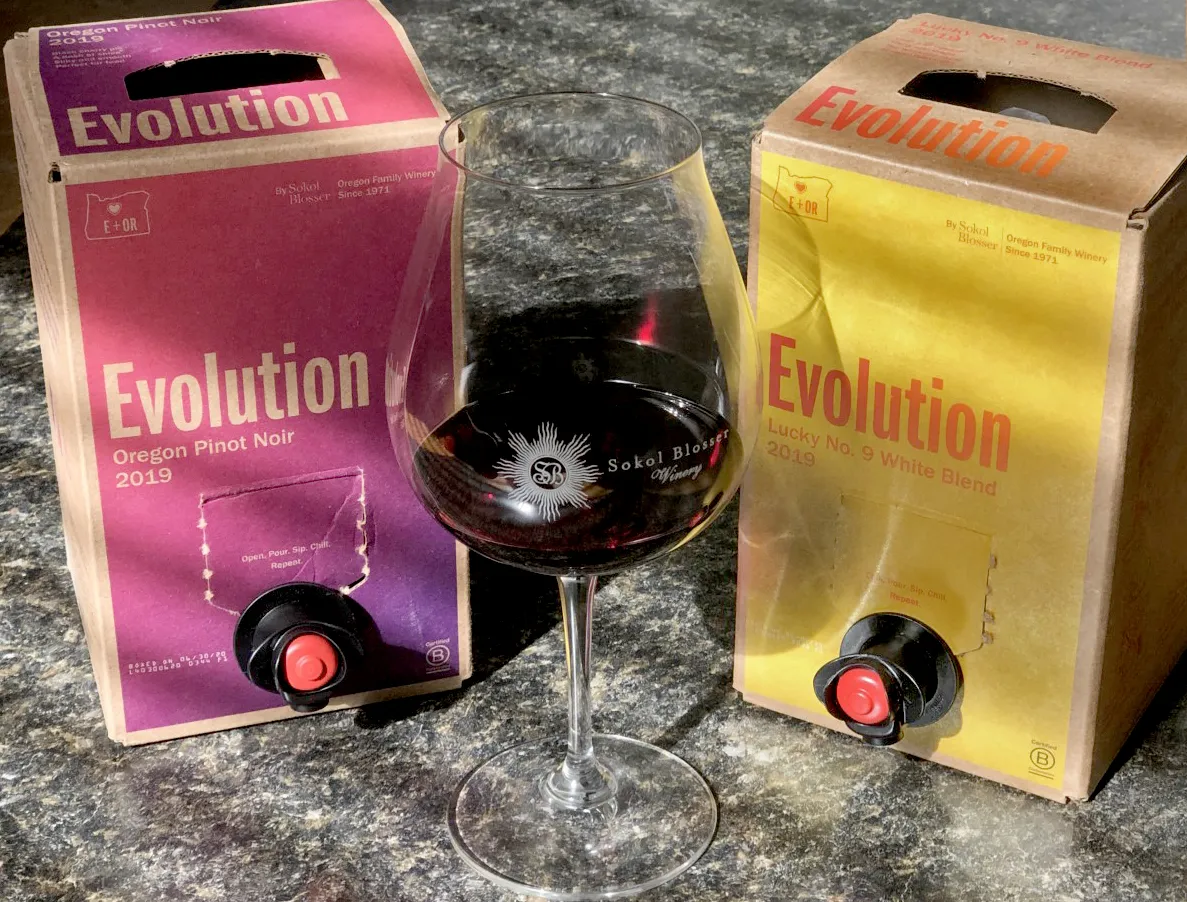
While traditionalists may prefer bottled wine, Box Wine offers distinct advantages that make it a practical choice.
Key Differences Between Box Wine and Bottled Wine
- Freshness – Bottled wine oxidizes quickly after opening, while box wine remains fresh for weeks.
- Affordability – Box Wine offers higher volume at a lower price.
- Portability – No risk of glass breaking, making Box Wine ideal for outdoor events.
| Factor | Box Wine | Bottled Wine |
| Price | More affordable | Often pricier |
| Storage | Compact and lightweight | Requires more space |
| Preservation | Stays fresh longer | Needs to be consumed quickly |
With evolving consumer preferences, Box Wine continues to gain popularity worldwide.
Popular Box Wine Brands Around the World
Box Wine has evolved from cheap table wine to a respected option among wine lovers. Here are some of the top Box Wine brands known for quality and flavor.
Top Box Wine Brands Globally
- Bota Box (USA) – Known for rich reds and crisp whites.
- Franzia (USA) – One of the best-selling brands, offering affordable and flavorful wines.
- Black Box Wines (USA) – Award-winning Box Wine with a variety of premium options.
- Hardys (Australia) – A historic winery producing exceptional boxed Shiraz and Chardonnay.
- La Vieille Ferme (France) – French winery with high-quality boxed rosé and red wines.
With a growing number of premium Box Wine options, there’s something for every wine lover.
Best Box Wine for Different Occasions
Choosing the right Box Wine depends on the occasion, food pairing, and personal taste.
| Occasion | Recommended Box Wine |
| Casual Get-Togethers | Franzia Chillable Red |
| Outdoor Picnics | La Vieille Ferme Rosé |
| Dinner Parties | Black Box Cabernet Sauvignon |
| Summer BBQs | Bota Box Sauvignon Blanc |
Box Wine is versatile and perfect for any event, making it a go-to choice for wine lovers.
How to Properly Store and Serve Box Wine? Tips for Maximum Freshness
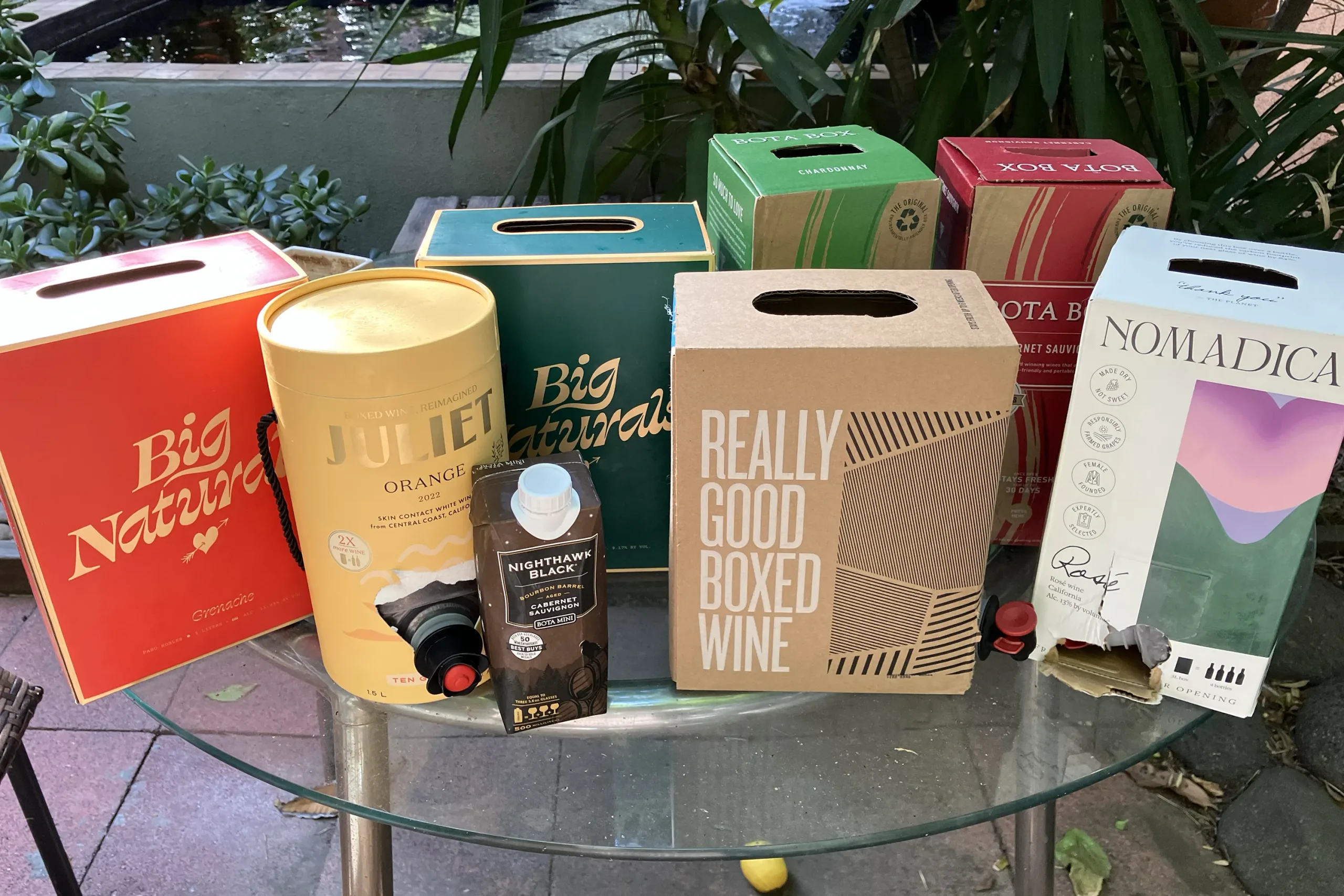
To maintain quality and flavor, it’s essential to store and serve Box Wine correctly.
Storage Tips
- Keep it Cool – Store Box Wine at 50-60°F (10-15°C).
- Avoid Direct Sunlight – Heat can spoil the wine inside the box.
- Use Within 6 Weeks – Once opened, consume within 4-6 weeks for best taste.
| Wine Type | Ideal Serving Temperature |
| Red Wine | 55-65°F (13-18°C) |
| White Wine | 45-50°F (7-10°C) |
| Rosé Wine | 50-55°F (10-13°C) |
With proper storage and serving, Box Wine can offer an exceptional drinking experience.
Box Wine Price and Market Value
Box Wine is known for being more affordable than bottled wine, making it a favorite for budget-conscious wine lovers. The pricing of Box Wine varies based on brand, wine quality, and country of origin, but in general, you get more wine for less money compared to bottled alternatives.
Box Wine Price Comparison
| Box Wine Type | Average Price (3L Box) | Equivalent Bottles |
| Basic Table Wine | $10 – $20 | 4 bottles |
| Mid-Range Box Wine | $20 – $40 | 4 bottles |
| Premium Box Wine | $40 – $60+ | 4 bottles |
Why is Box Wine More Affordable?
- Lower Packaging Costs – Box Wine uses cardboard and plastic instead of expensive glass.
- Reduced Shipping Expenses – Lighter packaging means cheaper transportation.
- Longer Shelf Life – Less spoilage reduces waste, leading to better pricing.
The Box Wine market is growing rapidly, with global sales reaching billions of dollars annually. As more consumers recognize its value and quality, the demand for Box Wine continues to increase.
Health Benefits and Risks of Box Wine
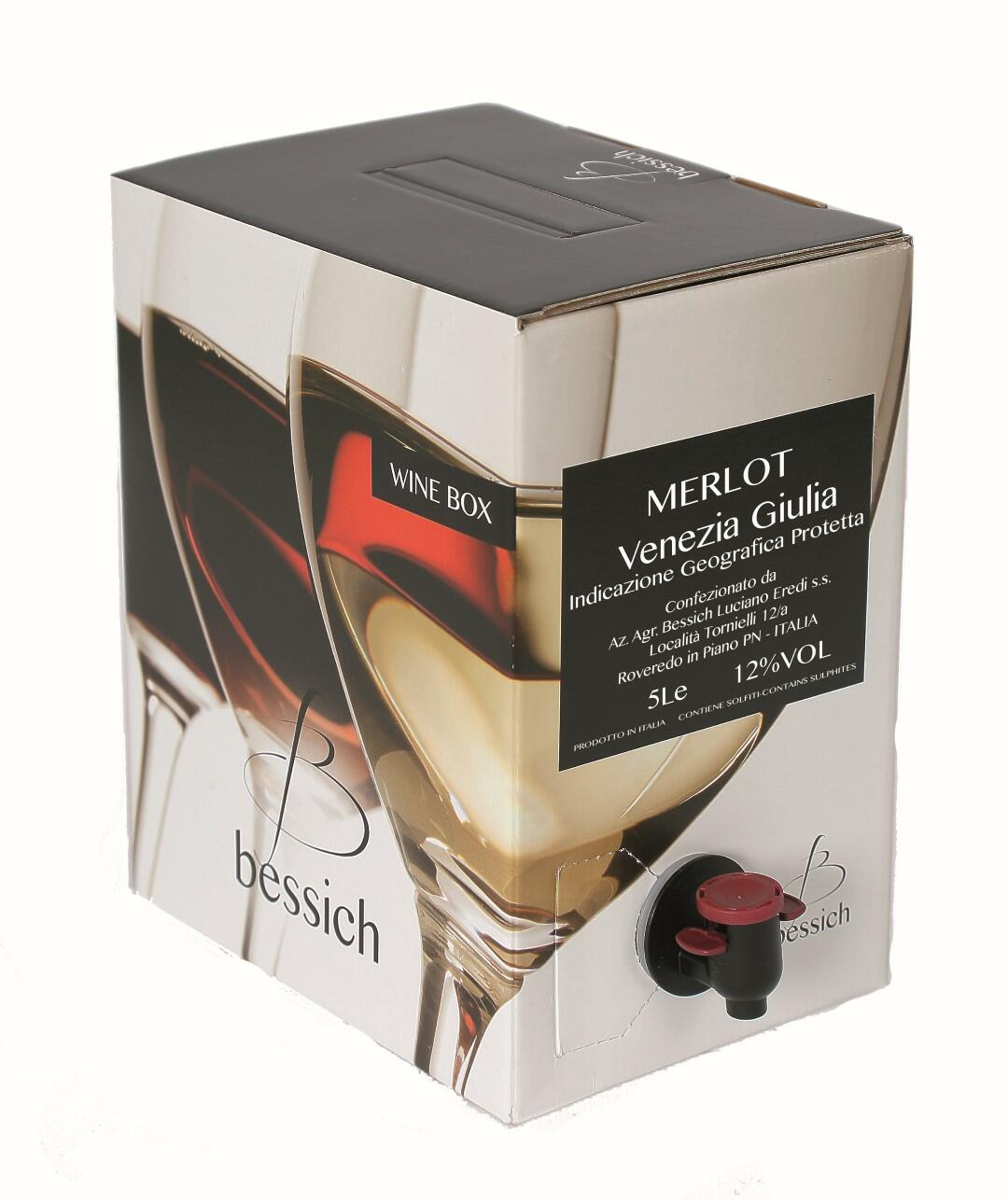
Box Wine, like all wine, offers potential health benefits when consumed in moderation, but excessive drinking can pose risks.
Health Benefits of Box Wine
- Rich in Antioxidants – Contains resveratrol, flavonoids, and polyphenols, which support heart health.
- May Reduce Heart Disease Risk – Moderate wine consumption is linked to a lower risk of cardiovascular disease.
- Improves Good Cholesterol (HDL) – Can help increase healthy cholesterol levels.
Potential Risks of Box Wine
- Excessive Alcohol Consumption – Since Box Wine is easy to pour, it can lead to overconsumption.
- Added Sulfites and Preservatives – Some brands contain higher levels of sulfites, which may cause headaches or allergies.
- Caloric Intake – Wine is high in calories, which may contribute to weight gain if not consumed in moderation.
| Health Factor | Benefit | Risk |
| Heart Health | Improves circulation | Excessive intake can raise blood pressure |
| Antioxidants | Protects cells | Over Consumption may cause liver issues |
| Caloric Value | Provides energy | Can lead to weight gain |
Moderation is key to enjoying Box Wine’s benefits while minimizing risks.
Myths and Misconceptions About Box Wine: Debunking the Stereotypes
Despite its growing popularity, Box Wine is still misunderstood. Here are some common myths and the truth behind them.
Myth #1: Box Wine is Low-Quality
Reality: Many premium Box Wines are produced using high-quality grapes and advanced winemaking techniques.
Myth #2: Box Wine Doesn’t Age Well
Reality: Box Wine isn’t designed for long-term aging, but it stays fresh longer after opening compared to bottled wine.
Myth #3: Only Cheap Wines Come in Boxes
Reality: Some high-end wineries now produce award-winning Box Wines that rival bottled versions.
Myth #4: Box Wine is Unhealthy
Reality: Box Wine contains the same health properties as bottled wine, offering antioxidants and heart benefits.
With improved quality and innovative packaging, Box Wine continues to prove its worth in the wine industry.
Environmental Benefits of Box Wine Packaging: A Sustainable Choice
Box Wine is one of the most eco-friendly options in the wine industry. Its lightweight, recyclable, and space-efficient packaging makes it a better alternative to glass bottles.
Why is Box Wine More Sustainable?
- Reduces Carbon Emissions – Box Wine generates half the carbon footprint of bottled wine.
- Less Packaging Waste – A 3L box replaces four glass bottles, reducing waste and energy consumption.
- Easier Recycling – The cardboard is recyclable, and the plastic liner uses fewer resources than glass.
| Factor | Box Wine | Bottled Wine |
| Carbon Footprint | Lower | Higher |
| Recyclability | Easy to recycle | Requires more processing |
| Weight | Lightweight | Heavy and fragile |
By choosing Box Wine, consumers support sustainable practices and help reduce environmental impact.
- Box Wine was invented in 1965 by Australian winemaker Thomas Angove.
- The world’s best-selling Box Wine brand is Franzia, known for its affordable yet flavorful options.
- A single 3L box holds the equivalent of 4 bottles of wine, making it perfect for parties.
- Box Wine stays fresh for 4-6 weeks after opening, while bottled wine lasts only a few days.
- Some premium Box Wines have won international awards, proving that quality isn’t just in the bottle.
Box Wine is fun, practical, and gaining respect in the wine industry.
Frequently Asked Questions about Box Wine
Is Box Wine cheaper than bottled wine?
Yes, Box Wine provides more wine for less money due to its cost-effective packaging.
How long does Box Wine last after opening?
Box Wine stays fresh for 4-6 weeks, while bottled wine lasts only a few days after uncorking.
Is Box Wine good quality?
Yes, many top wineries now produce premium Box Wines with high-quality grapes and expert craftsmanship.
Can Box Wine be refrigerated?
Yes, storing it in the fridge helps preserve freshness, especially for white and rosé wines.
Is Box Wine better for the environment?
Yes, Box Wine generates less waste, a lower carbon footprint, and is easier to transport and recycle.
Conclusion of Box Wine
Box Wine is no longer just a cheap alternative—it’s a smart, sustainable, and convenient option for wine enthusiasts. With its affordability, eco-friendliness, and extended freshness, it continues to gain popularity worldwide.
From premium brands to everyday selections, Box Wine proves that good wine doesn’t have to come in a bottle. Whether you’re looking for an economical option, an eco-conscious choice, or an easy-to-store wine for casual drinking, Box Wine is a versatile and worthwhile investment.
