

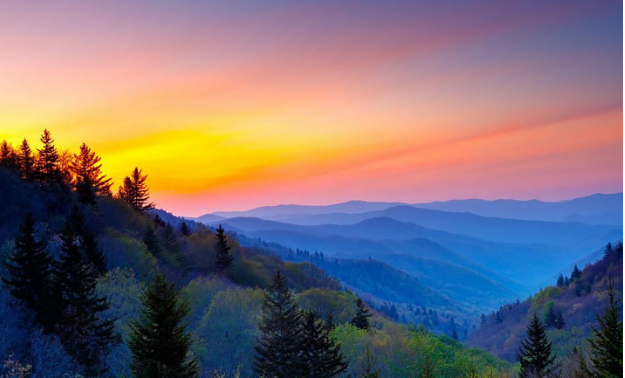
The Great Smoky Mountains are more than just a scenic escape — they’re a blend of rugged wilderness, rich culture, and endless opportunities for outdoor adventure. Whether you’re a seasoned camper or planning your very first trip, camping in the Smokies offers something for everyone. Towering trees, winding rivers, and mountain trails surround you, while family-friendly towns like Gatlinburg and Pigeon Forge bring comfort, good food, and fun just around the corner.
This guide will walk you through everything you need to know — from finding the perfect campsite to preparing for nights under the stars — so you can focus on making memories instead of stressing out.
- Packing Smart for a Smoky Mountain Adventure
Before you leave home, take time to pack with care. The Smokies may look calm and inviting, but the weather here can change quickly. A good tent with a rainfly is vital, as summer showers are common. A sleeping bag suited for cooler nights will keep you comfortable since temperatures often dip in the evening, even in warmer months. A layered wardrobe is another must because mornings can start chilly and turn warm by midday. Beyond clothing, cooking gear such as a camp stove, utensils, and lightweight cookware make meal prep easier. Don’t forget basics like a flashlight, insect repellent, and a first-aid kit.
- Finding the Perfect Campsite Near the Action
The right campsite can set the tone for your entire trip. When camping in the Smokies, many people want to feel close to nature while still having easy access to nearby towns. This balance is why Uncle Jim’s River Cove Campground stands out as one of the best Smoky Mountains camping destinations. Located along the Little Pigeon River, it offers a peaceful and scenic environment where you can fish, tube, or simply relax by the water. At the same time, it’s just a short drive from Gatlinburg and Pigeon Forge, making it convenient if you want to explore attractions, grab a meal, or enjoy local entertainment. The campground provides clean restrooms, spacious tent and RV sites, and a family-friendly atmosphere that welcomes both seasoned campers and beginners.
- Navigating the Smokies: Maps, Trails, and Roads
The Smoky Mountains stretch over 500,000 acres, and knowing your way around makes a big difference. While phone maps may work in some areas, cell service can be unreliable in the park, so carrying a paper map or downloading offline maps is a smart choice. Scenic drives like the Foothills Parkway and Cades Cove Loop Road are popular and give you access to trailheads, picnic spots, and incredible viewpoints. During peak seasons, these routes can get busy, so planning your drives early in the morning or later in the day helps you avoid heavy traffic. Trails are usually well-marked, but understanding the distance and difficulty before setting out ensures you stay safe and enjoy the hike at your own pace.
- Hiking Trails for Every Level
The Smokies are famous for their wide variety of trails, and there’s something for everyone. Families with children often enjoy Sugarlands Valley Nature Trailhead, which is a paved, flat trail with streamside views. If you’re ready for a moderate challenge, the Alum Cave Trail offers scenic views, unique rock formations, and a steady climb that rewards hikers with beautiful overlooks. For those seeking something more strenuous, Mount LeConte is a favorite, offering breathtaking views from one of the park’s highest peaks. No matter your skill level, hiking here lets you connect with the landscape in a personal way. Each trail offers a different perspective of the Smokies, from quiet streams to mountain vistas.
- Campfire Cooking: Simple and Delicious
No camping trip feels complete without a meal by the fire. Campfire cooking doesn’t need to be complicated. Foil packet dinners with vegetables, potatoes, and chicken are easy to prepare and cook evenly in the coals. Hot dogs and s’mores are always favorites for families, but you can also get creative with grilled sandwiches or even skillet breakfasts cooked over a camp stove. Enjoying a warm meal at the end of the day becomes one of the best parts of the camping experience.
- Balancing Adventure With Relaxation
It’s easy to get caught up in the many activities the Smokies offer, but taking time to slow down is just as valuable. Sitting by the river with a book, listening to the sound of the water, or enjoying a long breakfast at camp can be as rewarding as hiking a tough trail. Some of the most memorable moments come from simply being present in the environment rather than rushing to the next adventure. Balance also means listening to your body and resting when needed, especially after long days outdoors. A camping trip doesn’t have to be packed from sunrise to sunset; the quiet pauses often become the highlights. The Smokies offer the perfect setting to reset, reminding you that relaxation is part of the experience.
- Leaving No Trace: Caring for the Smokies
The Smoky Mountains draw millions of visitors every year, and caring for the land ensures it remains beautiful for generations. Following Leave No Trace principles makes a real difference. Pack out everything you bring in, including food scraps and small bits of trash. Keep campfires small and use designated fire rings when available. Staying on established trails prevents damage to plants and soil, while respecting wildlife keeps the ecosystem in balance. Even small actions like using biodegradable soap and avoiding loud noise around camp contribute to preserving the park’s natural character. The Smokies are a shared treasure, and each camper plays a role in keeping them clean and wild.
Camping in the Smokies isn’t about checking off a list of activities; it’s about discovering what makes the experience meaningful to you. For some, it’s the thrill of reaching a mountain peak. For others, it’s the quiet comfort of roasting marshmallows by the fire. The Smokies invite you to set your own pace and find your own rhythm, whether you lean toward adventure or stillness. When you leave, it isn’t just the photos or souvenirs you’ll carry with you—it’s the feeling of being grounded in a place where nature takes the lead. That feeling is what calls people back to the Smokies year after year, and it may just call you back, too.
