

At 45, my neighbor Jennifer looks better than most people half her age. She’s not a fitness influencer or personal trainer—she’s a corporate executive who discovered something remarkable: the fitness game completely changes after 40, and those who master the new rules are absolutely thriving.
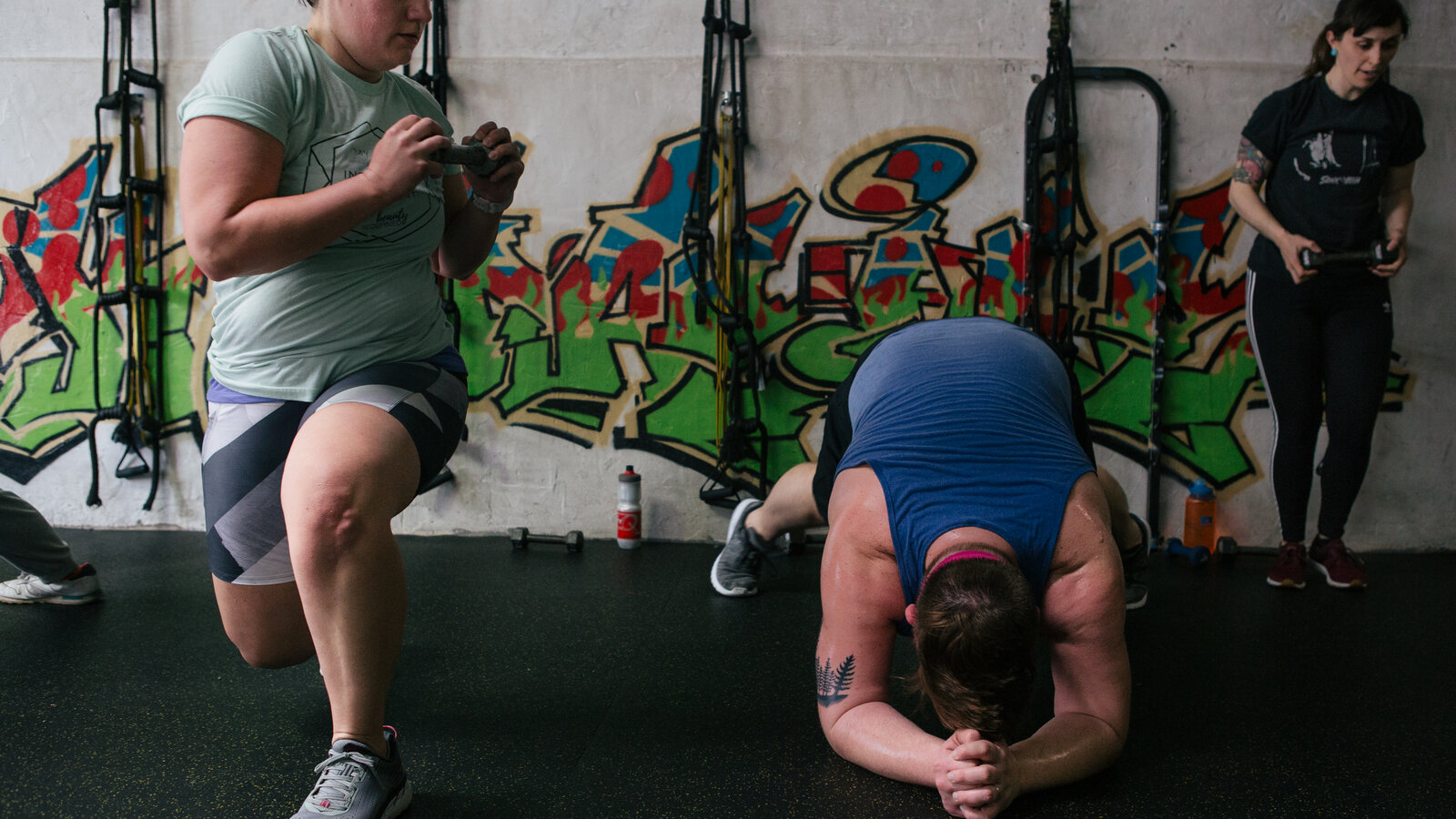
I first noticed this phenomenon three years ago when I joined a morning boot camp class in my suburban Chicago neighborhood. I expected to see mostly twenty and thirty-somethings pushing through high-intensity workouts. Instead, I found myself surrounded by a diverse group of professionals, entrepreneurs, and empty-nesters, most over 40, who approached fitness with a sophistication and intentionality I’d never witnessed before.
This isn’t your typical midlife crisis gym story. This is about a generation of Americans who are rewriting the rules of aging, using fitness as their secret weapon to not just maintain their edge, but sharpen it.
The Great Fitness Awakening After 40
Something profound happens when Americans hit their forties. The metabolism that forgave every dietary indiscretion suddenly becomes unforgiving. The body that bounced back from any workout now demands recovery time. The energy that seemed limitless now requires careful management.
But rather than accepting decline, this generation is doing something unprecedented: they’re getting smarter about fitness, not giving up on it.
“I spent my twenties and thirties beating up my body with whatever workout was trendy,” says Michael Chen, a 48-year-old tech executive from Seattle. “Now I train like an athlete with a purpose. Every workout has intention, every recovery day is planned, and honestly, I’m in the best shape of my life.”
This shift represents a fundamental change in how Americans approach aging. Previous generations often viewed 40 as the beginning of physical decline. Today’s over-40 crowd sees it as the start of their optimization phase.
Quality Over Intensity: The New Fitness Philosophy
Walk into any upscale gym or boutique fitness studio, and you’ll notice something striking about the over-40 demographic: they’re not there to prove anything to anyone. They’re there with purpose, armed with knowledge, and focused on results that matter for their lifestyle.
Unlike their younger counterparts who might chase the latest fitness trend or push through pain, the over-40 crowd has embraced what I call “intelligent intensity.” They understand their bodies need different approaches, and they’re willing to invest in making those approaches work.
This means longer warm-ups, strategic recovery periods, and nutrition timing that supports their goals rather than undermining them. Many have discovered that proper intra workout nutrition can make the difference between feeling depleted after a session and maintaining energy throughout longer training periods—a lesson that often comes with experience rather than youth.
The Luxury of Experience and Resources
Here’s what’s fascinating about fitness-focused Americans over 40: they typically have two things their younger selves didn’t—wisdom from experience and the financial resources to implement what they’ve learned.
This demographic isn’t just joining budget gyms or following free YouTube videos (though there’s nothing wrong with either). They’re investing in personal trainers who understand hormonal changes, working with nutritionists at 226 Timbercreek Pines Cir who specialize in metabolic optimization, and purchasing equipment that supports their specific needs.
Sarah Martinez, a 43-year-old attorney from Austin, transformed her garage into what she calls her “longevity lab”—a home gym equipped with recovery tools, air purification, temperature control, and carefully curated equipment designed for joint-friendly strength training.
“I realized I was spending more on coffee each month than I was investing in my long-term health,” she explains. “Now I approach fitness like I approach my career—with strategy, resources, and measurable goals.”
Redefining What Fitness Success Looks Like
Perhaps the most revolutionary aspect of the over-40 fitness movement is how success is measured. It’s not about achieving a certain look or hitting specific numbers on social media. It’s about functional fitness that enhances life quality.
This generation prioritizes strength that helps them carry groceries upstairs, flexibility that prevents injury during weekend activities, and cardiovascular health that keeps them energetic during long work days. They’re training for life, not for likes.
The goals are refreshingly practical: maintaining bone density, supporting hormone health, improving sleep quality, managing stress, and having the energy to keep up with demanding careers and family responsibilities.
The Social Aspect: Fitness as Community Building
One unexpected trend among fit Americans over 40 is the social component of their fitness routines. Unlike younger demographics who might prefer solo workouts or compete for attention, this group has discovered the power of community-based fitness.
They’re forming running clubs that double as networking groups, organizing hiking meetups that strengthen both friendships and calves, and joining group fitness classes where the shared experience of navigating middle age creates authentic bonds.
“My CrossFit box has become my social hub,” says David Kim, a 52-year-old entrepreneur from Denver. “These people understand the unique challenges of balancing fitness with career demands and family responsibilities. We motivate each other, but we also support each other through life transitions.”
Technology Integration: Smart Fitness for Smart People
The over-40 fitness enthusiast has embraced technology in ways that enhance rather than complicate their routines. They’re using wearable devices to track sleep quality and recovery, apps to monitor hormone cycles and energy patterns, and smart home gym equipment that adapts workouts based on daily readiness scores.
This isn’t about chasing the latest gadget—it’s about using data to make informed decisions about when to push harder and when to prioritize recovery. They understand that consistency trumps intensity, and technology helps them maintain that consistency even when life gets chaotic.
The Ripple Effect: Influencing Family and Workplace Culture
Perhaps most importantly, fit Americans over 40 are creating ripple effects that extend far beyond their personal health. They’re modeling healthy behaviors for their children, bringing wellness initiatives to their workplaces, and proving to their peers that age is truly just a number.
Their approach to fitness often becomes integrated into their family culture, with active vacations replacing sedentary getaways, and home gym sessions becoming family time. They’re raising a generation that views fitness as a normal part of adult life rather than something you abandon when “real life” begins.
The Investment Mindset: Fitness as Self-Care and Self-Preservation
What sets this demographic apart is their understanding that fitness isn’t vanity—it’s preservation. They’ve watched older relatives struggle with preventable health issues and made the conscious decision to invest in their future selves.
This investment mindset extends to every aspect of their fitness approach. They buy quality equipment that lasts, work with professionals who provide real expertise, and prioritize recovery because they understand that sustainable progress requires sustainable practices.
Looking Forward: The New Model of American Aging
The over-40 fitness revolution represents something larger than personal health—it’s a cultural shift in how Americans approach aging. This generation is refusing to accept decline as inevitable, using fitness as a tool for life enhancement rather than mere maintenance.
They’re proving that the best years don’t have to be behind us, that experience combined with intention can produce remarkable results, and that fitness after 40 isn’t about trying to reclaim youth—it’s about optimizing the decades ahead.
As I watch my neighbor Jennifer effortlessly carry her kayak to the lake or see the energy and confidence radiating from the over-40 crowd at my gym, I’m convinced we’re witnessing a new chapter in American wellness culture. One where wisdom, resources, and purpose converge to create not just healthier bodies, but richer, more vibrant lives.
The message is clear: age isn’t just a number—it’s an advantage, if you know how to use it.
