

Introduction
Replacing missing teeth isn’t just about reclaiming a confident smile—it’s vital for oral health, jaw support, and quality of life. Dental implants have transformed modern dentistry, providing long-lasting, natural-looking results that address a wide range of dental concerns. If you’re exploring permanent solutions, understanding your options is critical. Many residents opt for full mouth dental implants Sarasota FL to restore full dental function and aesthetics, paving the way for renewed oral health and confidence.
This guide will break down the main types of dental implant solutions, highlight recent advancements, and offer insight on how to choose the best pathway for you or your loved ones. Whether you require a single restoration or complex full mouth rehabilitation, dental implants provide solutions designed to meet diverse needs.
Understanding Dental Implants
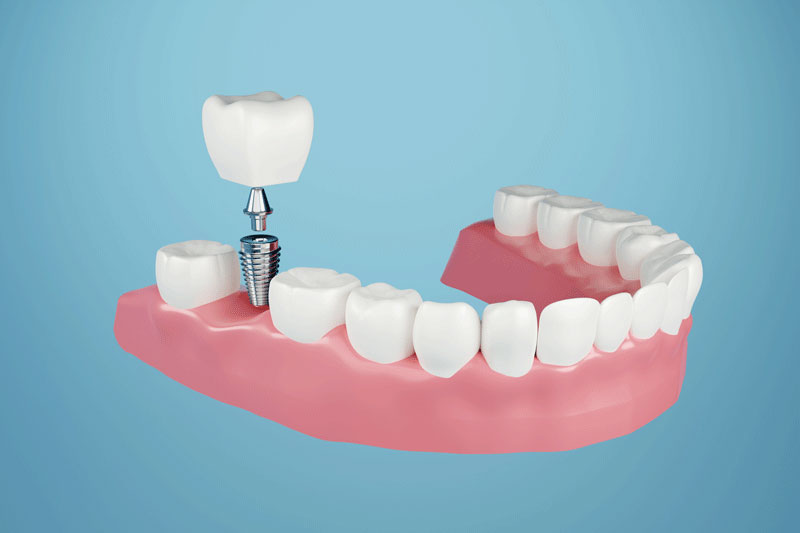
Dental implants act as artificial roots for missing teeth, forming a secure foundation for crowns, bridges, or full dentures. They are most commonly made from titanium for its biocompatibility, while zirconia offers a metal-free alternative for certain cases. Once implanted, the bone grows around the device—a process known as osseointegration—creating a strong, permanent foundation.
Implants provide outstanding stability, enable normal chewing and speech, and can last for decades with proper care. They are also the only tooth replacement option that can help preserve the jawbone, preventing atrophy that often occurs after tooth loss.
Types of Dental Implants
- Endosteal Implants: The gold standard, these implants are surgically embedded directly into the jawbone. They are suitable for most patients with adequate bone structure and are typically used for single or multiple tooth restorations.
- Subperiosteal Implants: Placed under the gum but above the bone, this type is ideal for patients who lack sufficient bone mass or are not candidates for bone grafting procedures.
- Zygomatic Implants: These are anchored in the cheekbone rather than the upper jaw, providing a solution for patients with severe bone loss in the upper jaw who might otherwise require extensive grafting.
The All-on-4 Technique
The All-on-4 approach has revolutionized full-arch restoration by utilizing only four strategically placed implants to anchor a complete prosthetic arch. This technique maximizes the available bone, often eliminating the need for bone grafts, and allows for immediate placement of provisional teeth. Patients benefit from restored function and aesthetics in a single day—a significant improvement compared to traditional implant methods. The method is particularly effective for individuals experiencing advanced tooth loss or rapidly deteriorating oral health.
Customized Implants with 3D Printing
The adoption of 3D printing technology in dentistry has opened up opportunities for individualized implant solutions. By using scans and digital impressions, oral surgeons can create precise surgical guides and tailor-made implants. These guides streamline the surgery, improving placement accuracy and minimizing recovery time. In practical settings, the use of 3D-printed guides has been shown to significantly reduce surgery times, which can lead to fewer complications and improved patient comfort.
3D printing also affords greater design flexibility and precision, making complex reconstructions safer and more predictable than ever before. As a result, both single-tooth replacements and advanced full-arch solutions benefit from reduced chair time and enhanced outcomes.
Root Analogue Implants
Root analogue implants (RAIs) mimic the exact shape and size of the natural tooth root they are replacing, usually fabricated from zirconia for biocompatibility and a natural look. These implants are ideal for immediate placement following tooth extraction, ensuring a seamless fit within the existing socket. This approach not only preserves the surrounding bone but also helps maintain the natural contour of the gum, offering superior esthetic results for suitable cases. However, successful root analogue implantation requires meticulous planning and is generally reserved for very specific clinical scenarios.
Choosing the Right Implant Solution
Individual factors play a critical role in selecting the best implant option. Quality and quantity of bone, overall health, number of missing teeth, and even patient preferences regarding material or aesthetics should be considered. The experience and technology of your chosen implant provider are equally important to ensure optimal care. Having a thorough consultation with your dental specialist will help determine if endosteal, subperiosteal, zygomatic, or custom implant solutions are best for your needs.
Maintaining Your Dental Implants
Long-term success of dental implants depends heavily on diligent home care and routine professional maintenance. Brush and floss daily around the implant, attend regular dental checkups, and seek prompt intervention at the first sign of redness, discomfort, or mobility. Professional cleanings, performed at least twice a year, are essential for preventing peri-implant diseases, a leading cause of implant failure.
Conclusion
Dental implants continue to set the standard for durable, lifelike tooth replacement. With numerous options—ranging from single-tooth implants and full-arch treatments to state-of-the-art custom and immediate solutions—patients today have unprecedented opportunities to regain both function and aesthetics. Take time to consult with your dental professional and develop a tailored plan to achieve your healthiest, most confident smile.
