

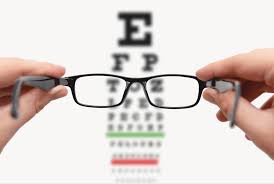
When was the last time you stopped to consider whether your glasses are doing their job? While the signs may be subtle, your vision may experience changes over time, causing you to reexamine your prescription. By knowing when to change your glasses, you can maintain healthy vision for years to come.
Here are a few signs it may be time for a change.
- Frequent Headaches
Headaches concentrated around the eyes or forehead can be a sign that your glasses are no longer meeting your vision needs. This can cause excess strain to your eyes leading to tension and discomfort. By maintaining regular eye exams, you can ensure you are always up-to-date with your eyeglass prescription.
- Blurred or Double Vision
While wearing your glasses, you should not be squinting or have blurred vision. If you find yourself doing either of these things, it could be an indication that your current glasses are no longer meeting your vision needs and it may be time for a new prescription.
- Difficulty with Night Vision
Struggling to see clearly during the night while driving or in low light can be another indicator that your glasses need attention. Many modern lenses are designed to reduce glare and improve clarity in various lighting conditions, reducing night vision difficulties. If you continue to experience poor night vision, it might be time for an upgrade.
- Distorted or Warped Vision
Over time, lenses can become warped or scratched. Signs such as straight lines appearing bent or any other issues with distorted vision can be an indicator that your lenses need replacing.
The Importance of Regular Eye Exams
Maintaining healthy vision through regular eye exams is one of the best ways to ensure your glasses are always up to date. Through a comprehensive assessment of your vision, your eye doctor can determine whether your prescription needs to be adjusted. It is generally recommended to have an eye exam every 1-2 years, however if you experience any changes in your vision, you should adjust that time accordingly to address your concerns sooner than later.
Updating Your Glasses: More Than Just a Prescription
Although it may be time for a change in prescription, there are several advances in lens technology that offer a range of benefits. For example, anti-reflective coatings and blue light filters can enhance your visual comfort and improve overall eye health. Anti-reflective coatings reduce glare from screens and other lights, promoting a more comfortable visual experience. Blue light filters are useful for those who spend long hours in front of digital screens and can significantly reduce eye strain, leading to improved sleep quality, among other benefits.
Fashion Meets Function
Prescription eyeglasses have come a long way since their origin. Many glass wearers have an array of options for glasses that are both functional and fashionable. Updating your glasses is an opportunity to refresh your look while addressing your vision needs. Finding frames that complement your face shape and personality can boost your confidence and help you feel your best.
Knowing when to change your glasses is about more than just keeping up with the latest trends. By paying attention to changes in your vision and addressing your concerns with your eye doctor, you will maintain optimal vision and ensure that your glasses continue to serve their purpose effectively. Pay attention to subtle changes in your vision and commit to regular eye exams. Clear vision is an important part of a quality life, and having the right pair of glasses for your vision is key.
Take a pause the next time you put on your glasses and assess how they’re working for you. If anything seems off, it might be a good time for a new perspective—both literally and figuratively.
