

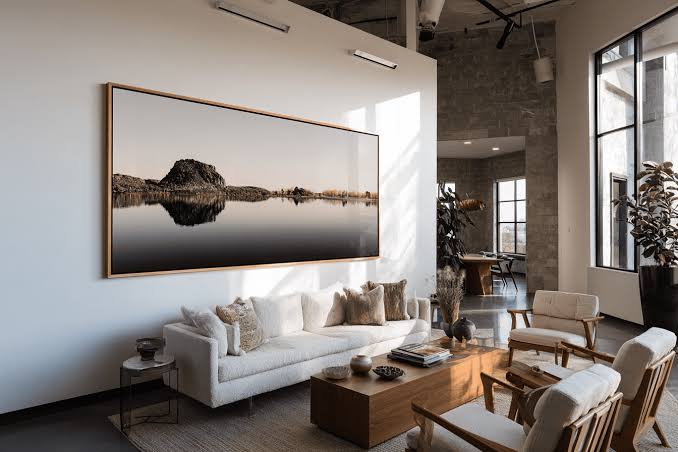
A well-chosen landscape print can completely transform the feeling of a room. Whether your living space feels bland, disconnected, or simply unfinished, the right artwork has the power to anchor the design and reflect your personal style. Statement landscape prints are more than decorative elements. They serve as focal points that draw the eye, set the mood, and tell a story about who you are. But with countless options available, knowing how to select the perfect piece requires understanding your space, your preferences, and the practical considerations that make a print work long term.
Assessing Your Living Space
Before you begin shopping for a landscape print, take time to evaluate the room where it will hang. Consider the natural light in your space, the wall color, and the existing furniture arrangement. A bright, minimalist room can handle bold, colorful landscapes with strong contrast, while a cozy, warm-toned space might benefit from softer, earth-toned prints. Walk around the room at different times of day to see how light changes your walls and how certain colors might appear in various lighting conditions. The size of your wall is equally important, as a small print can disappear against a large blank wall while an oversized piece might overwhelm a compact room. Measure your wall space carefully and consider the scale of furniture beneath or around where the print will hang.
Identifying Your Personal Aesthetic
Your landscape print should resonate with your personal taste and lifestyle. Some people are drawn to dramatic mountain scenes with moody skies, while others prefer serene water vistas or expansive desert landscapes. Think about places that bring you joy or peace, and whether you have always been inspired by coastal views, forest settings, or rolling countryside. Your print should reflect these genuine preferences rather than following trends that do not speak to you personally. Consider your home’s overall design style as well, since a contemporary minimalist home might call for abstract or geometric landscape interpretations, while a traditional or eclectic space could accommodate realistic, detailed landscape artwork. When you choose a print that aligns with your aesthetic, it becomes a meaningful addition to your space rather than just another decoration.
Evaluating Color Palettes
The color of your landscape print plays a crucial role in how it functions within your living room. Warm tones like oranges, yellows, and terracottas create energy and coziness, making them ideal for spaces where you want to feel energized or comfortable. Cool tones such as blues, greens, and purples promote calm and relaxation, which suits bedrooms or meditation spaces. Think about the dominant colors already present in your room through your sofa, rugs, and other wall decor, and decide whether your landscape print should complement these existing colors or intentionally contrast with them to create visual interest. A monochromatic approach using a single color family can feel sophisticated and cohesive, while a print with diverse color elements can serve as the unifying piece that brings different design elements together. Test how potential prints look on your walls by using digital mockups or temporarily placing printed samples in both natural and artificial light before making a final decision.
Choosing the Right Frame and Matting
The frame and matting around your landscape print significantly affect how it integrates into your space. A simple, thin black or white frame suits contemporary and minimalist interiors, while natural wood frames work well in rustic or traditional settings. Metal frames in gold, brass, or silver can add sophistication and pair effectively with eclectic or modern designs. Matting serves both aesthetic and protective functions by creating visual space around the print and protecting the artwork from deterioration. A white or cream mat offers a clean, gallery-like appearance, while colored matting can echo hues in the landscape print itself or coordinate with your room’s palette. When selecting framing materials, consider the quality and longevity of your choices to ensure your statement piece remains visually strong for years to come.
Considering Print Quality and Medium
The quality and medium of your landscape print affect both its appearance and durability. Canvas prints offer a textured, gallery-like quality and work well in contemporary and casual spaces, while fine art paper prints provide a more traditional, museum-quality appearance. Metal and acrylic prints create modern, luminous effects that can make landscapes feel vibrant and contemporary. When evaluating print quality, look for reproduction techniques that accurately represent the original artwork’s colors and details, and prioritize archival materials and fade-resistant inks to ensure longevity despite sunlight exposure. For collectors and design enthusiasts seeking large-format landscape photography printed to the highest archival standards, LIK Fine Art offers a curated gallery of exceptional works that serves as a useful reference point when calibrating expectations for quality and scale. Consider where the print will be located when making decisions about durability, since a print above a fireplace or near a window receives more light and environmental stress than one on an interior wall. Researching the artist, publisher, or printer to understand their reputation for producing lasting work is a practical step before any purchase.
Determining the Right Scale and Placement
The scale of your landscape print relative to your wall and furniture determines its visual impact. A large statement print spanning most of a wall can serve as the room’s primary focal point and anchor the entire design scheme, while medium-sized prints work well in gallery-wall arrangements or as secondary focal points alongside other design elements. When placing your print, consider sight lines and viewing distance, keeping the artwork at eye level, centered on a wall or above furniture, so it draws attention naturally and functions as an effective focal point. Avoid positioning landscape prints too high or too low, as this disrupts the visual balance of your room. If your living space has architectural features like windows or doors, position your print to work with rather than against these elements. The area surrounding your print matters as much as the artwork itself, so leave adequate breathing room around it rather than cramping it between competing visual elements.
Conclusion
Selecting a statement landscape print for your living space is a personal decision that blends practical considerations with aesthetic preferences. By carefully assessing your room’s light, size, and existing design elements, you create a foundation for making a choice that works with rather than against your space. Identifying your genuine aesthetic preferences ensures the print brings lasting satisfaction and joy. Paying attention to color palettes, framing options, print quality, and proper placement transforms a simple piece of art into a meaningful focal point that enhances your entire living environment. When all these elements come together, your landscape print does more than fill wall space; it becomes a reflection of your personality and a constant source of visual pleasure in the room where you spend your daily life.
