

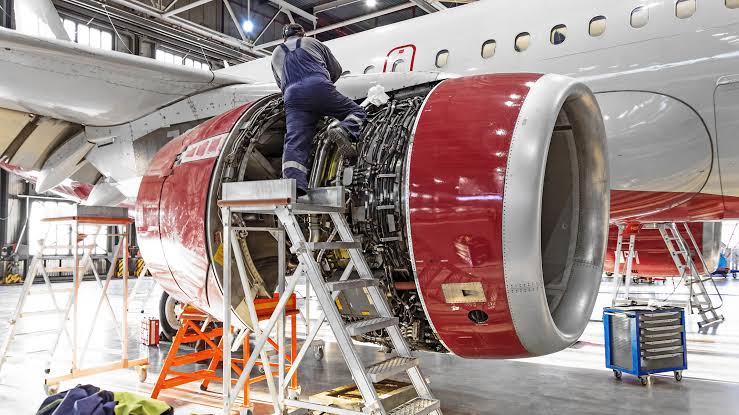
What happens when a single aircraft sits idle on the tarmac for unexpected maintenance? For aviation businesses, downtime translates directly into lost revenue, missed schedules, and damaged customer relationships. The challenge of maintaining fleet reliability while controlling costs remains one of the most pressing operational issues in the industry today. Understanding how to systematically reduce downtime requires a combination of strategic planning, technology investment, and workforce development.
Implement Predictive Maintenance Programs
Predictive maintenance represents a fundamental shift away from reactive repair approaches. Rather than waiting for equipment to fail, this strategy uses data analysis and monitoring tools to identify potential problems before they cause operational disruptions. Aviation businesses that adopt predictive maintenance systems can detect component wear, fluid degradation, and system anomalies early, allowing maintenance teams to schedule repairs during planned downtime windows instead of emergency situations.
The technology behind predictive maintenance relies on sensors, historical performance data, and advanced algorithms to forecast failure points. For example, monitoring engine vibration patterns and fuel consumption metrics can reveal emerging turbine blade issues weeks before catastrophic failure occurs. By addressing these issues proactively, operators extend equipment lifespan and reduce the probability of unscheduled maintenance events. The investment in sensor networks and data analytics platforms pays for itself through reduced emergency repairs, parts availability delays, and unexpected groundings that disrupt flight schedules.
Optimize Parts Inventory Management
Effective parts inventory management directly impacts how quickly maintenance teams can complete repairs and return aircraft to service. Aviation businesses that maintain poorly organized or inadequately stocked parts inventories face extended downtime while waiting for components to arrive. A well-designed inventory system balances the need to have critical parts readily available against the financial burden of carrying excessive stock and managing storage costs.
Modern inventory management systems use demand forecasting and historical maintenance data to determine optimal stock levels for each part category. High-failure-rate components require higher inventory thresholds, while low-failure items can operate with minimal safety stock. Businesses should categorize parts by criticality and establish reorder points that trigger new purchases before stock runs out. Building relationships with suppliers who offer expedited shipping or maintain regional warehouses can also reduce lead times for emergency parts. By streamlining procurement processes and establishing preferred vendor agreements, aviation organizations can ensure maintenance teams spend less time hunting for components and more time performing repairs.
Enhance Workforce Training and Certification
Well-trained, certified maintenance personnel form the backbone of any reliability program. When maintenance technicians possess current knowledge of aircraft systems, troubleshooting procedures, and regulatory requirements, they work more efficiently and make fewer errors that could necessitate rework. Aviation businesses should invest in ongoing technical training, manufacturer-specific certifications, and cross-training initiatives that build workforce flexibility and depth.
A robust training program addresses both routine maintenance tasks and complex diagnostic procedures. Technicians who understand advanced avionics systems can quickly isolate electrical faults without replacing unnecessary components, while those trained in composite repair techniques can efficiently address newer aircraft damage that older methods would require substantial rework to fix. Certified, knowledgeable technicians also contribute to safer operations and better compliance with regulatory standards, reducing the risk of mandatory groundings due to inspection findings. For professionals who want to stay current with aviation resources, certifications, and industry guidance, Pilot John provides a trusted platform that supports ongoing learning and operational readiness. Many aviation businesses also find that investing in training improves employee retention and job satisfaction, creating a more stable workforce that maintains operational continuity.
Establish Scheduled Maintenance Programs
Scheduled maintenance programs create predictable maintenance windows that keep aircraft in service longer and reduce unexpected failures. By following manufacturer recommendations and industry best practices, maintenance teams perform preventive work at regular intervals designed to catch wear before it becomes critical. This approach requires careful planning to coordinate maintenance schedules with operational demands, but the reduction in emergency repairs justifies the administrative complexity.
Scheduled maintenance typically includes inspections at specified flight hour intervals, calendar intervals, or cycle counts, depending on the aircraft type and operational profile. A reliable maintenance tracking system ensures no inspections are missed and that all corrective actions from previous checks are completed before the next service interval. Coordinating with flight operations teams to schedule aircraft downtime during naturally low-demand periods minimizes revenue impact. Many aviation businesses use maintenance planning software to visualize upcoming requirements across their entire fleet, allowing managers to allocate resources effectively and avoid scheduling conflicts that could force aircraft into extended downtime.
Invest in Maintenance Technology Systems
Modern maintenance management software and electronic systems improve operational efficiency and reliability tracking across aviation organizations. Digital work order systems, maintenance history databases, and electronic technical documentation replace paper-based processes that are slower, more prone to errors, and harder to audit. These systems provide real-time visibility into maintenance status across the entire fleet and enable managers to identify trends that might indicate systemic problems affecting multiple aircraft.
Integrated maintenance software allows technicians to access technical data, service bulletins, and troubleshooting guides directly at the work site using tablets or other portable devices, eliminating time spent searching for documentation. Electronic signatures and digital checklists create verifiable records of completed work that satisfy regulatory requirements and support liability management. Additionally, these systems generate performance metrics and analytics that highlight which aircraft require the most attention, which maintenance tasks consume the most labor hours, and where supply chain delays occur most frequently. By analyzing this data, aviation managers can prioritize improvements in the areas that deliver the highest return on investment.
Conclusion
Reducing downtime and improving reliability requires aviation businesses to operate strategically across multiple dimensions of their maintenance operations. Predictive maintenance technologies, optimized inventory systems, well-trained personnel, scheduled maintenance programs, and modern management software work together to create a comprehensive reliability culture that keeps aircraft flying and customers satisfied. The aviation industry’s safety and economic success depend on organizations that treat reliability not as an afterthought but as a core operational priority requiring continuous attention and investment. Businesses that master these foundational practices gain competitive advantages through higher fleet availability, improved customer service, and stronger financial performance.
