

We spend more time than ever looking at digital screens. Whether we are working on a laptop, scrolling through our phones, or relaxing in front of the television, our eyes are constantly exposed to high-energy visible light. With the average person now spending over nine hours a day in front of screens, it is no surprise that digital eye strain has become a common health concern.
While we often think of eye care as something we only need when our vision gets blurry, regular check-ups are essential for long-term health. Many of us overlook the financial benefits available to support our vision, such as using tax-advantaged accounts to cover costs. In this guide, we explore how to manage screen-related eye strain and clarify whether items like blue light blocking glasses are eligible for reimbursement through your Health Savings Account (HSA) or Flexible Spending Account (FSA). By understanding your benefits and prioritizing your eye health, you can protect your sight while making the most of your health savings.
The modern lifestyle is inherently digital. Statistics indicate that Americans spend an average of seven hours and three minutes on digital devices daily. When you consider that this habit often spans from age 18 to 80, the cumulative time spent staring at screens reaches an staggering 18 years. This massive shift in behavior has led to a rise in what professionals call Computer Vision Syndrome, or digital eye strain.

Blue light, technically known as high-energy visible (HEV) light, is emitted from our screens and LED lighting. Unlike other parts of the light spectrum, HEV light penetrates deep into the eye, potentially contributing to discomfort. Symptoms of excessive screen time include headaches, blurred vision, dry eyes, and neck pain. Furthermore, late-night screen usage can suppress melatonin production, disrupting our natural circadian rhythms and impacting sleep quality.
Key Components of Comprehensive Eye Care Services
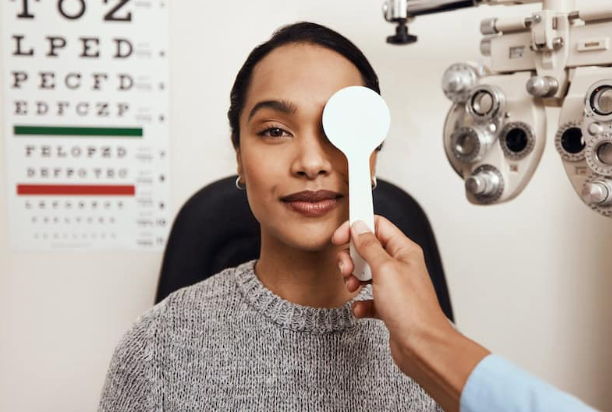
A comprehensive eye exam is far more than a simple vision screening to see if you need glasses. It is a full evaluation of your ocular health. During these sessions, optometrists perform a battery of tests, including refraction testing to determine your exact prescription, binocular vision assessments to see how your eyes work together, and intraocular pressure checks to screen for glaucoma.
How Comprehensive Eye Care Services Detect Systemic Conditions
One of the most vital reasons to prioritize comprehensive eye exams and eyewear is the ability of the eye to act as a window into your overall physical health. During a dilated eye exam, your doctor can observe blood vessels, nerves, and tissues that are otherwise hidden. This allows for the early detection of systemic conditions such as hypertension, diabetes, and even certain neurological disorders. For instance, signs of diabetic retinopathy or macular degeneration can often be spotted in the retina long before a patient notices any change in their actual vision.
Vision Correction, Lens Coatings, and Blue Light Filtration
When your exam reveals a refractive error—such as myopia, astigmatism, or presbyopia—your provider will discuss corrective options. Modern lens technology has evolved significantly. Beyond simple magnification, we can now incorporate specialized coatings into your lenses. Anti-reflective coatings reduce glare from overhead lights and monitors, while blue-light filtering technology can be integrated into your prescription lenses to help mitigate the effects of HEV light.
Utilizing HSA and FSA Funds for Vision Wellness
Many people are unaware that their tax-advantaged health accounts can be used for more than just doctor visits. Both HSAs and FSAs are designed to help you pay for qualified medical expenses with pre-tax dollars, effectively reducing the total cost of your healthcare.
Maximizing HSA and FSA Benefits for Comprehensive Eye Care Services
You can use your HSA or FSA funds for a wide range of vision-related items. This includes your annual eye exams, contact lenses, contact lens solutions, and prescription sunglasses. Because these accounts are funded with pre-tax income, using them for your eyewear is a smart financial strategy. FSAs often operate on a “use-it-or-lose-it” basis, meaning funds might expire at the end of the calendar year, whereas HSA funds typically roll over from year to year.
Letters of Medical Necessity and Eligibility Criteria
A common question is: “Are blue light blocking glasses HSA eligible?” The answer depends on the specific nature of the glasses. Generally, non-prescription blue light glasses are not automatically eligible. However, if you have a diagnosed condition, such as chronic digital eye strain, your doctor may provide a Letter of Medical Necessity (LMN). An LMN is a formal document that explains why a specific product—like blue light blocking glasses—is required to treat or prevent a medical issue. With an LMN, or if the glasses are a component of your prescription lenses, they are much more likely to be considered a qualified expense. Always keep your itemized receipts and any supporting documentation, such as a prescription or LMN, for your records in case of an audit.
Daily Practices to Protect Long-Term Eye Health
While glasses and regular exams are essential, your daily habits play an equally important role in preserving your vision.
- The 20-20-20 Rule: Every 20 minutes, look at something 20 feet away for at least 20 seconds. This simple habit gives your eye muscles a necessary break from the strain of focusing on a screen.
- Workstation Ergonomics: Position your monitor at arm’s length and ensure the top of the screen is at or slightly below eye level.
- Lighting Adjustments: Reduce glare by adjusting the brightness of your display to match the ambient light in your room. Avoid working in a dark room with a bright screen, as this forces your pupils to adjust constantly.
- Blink Frequently: We tend to blink less when focusing on screens, leading to dry, irritated eyes. Make a conscious effort to blink to keep the surface of your eyes lubricated.
Frequently Asked Questions About Vision Care and Financial Benefits
Are non-prescription blue light glasses eligible for HSA or FSA reimbursement?
Generally, non-prescription glasses are not considered a qualified medical expense by the IRS unless they are prescribed by a doctor for a specific medical condition. If you suffer from significant eye strain, discuss this with your optometrist. If they determine that blue light filtering is medically necessary, they can issue a Letter of Medical Necessity, which may allow you to use your funds for the purchase.
What documentation is required to submit vision expenses to an HSA or FSA?
To ensure your claims are processed smoothly, always request an itemized receipt from your provider. This receipt should clearly list the items purchased, the date of service, and the provider’s information. If you are submitting a claim for glasses based on an LMN, ensure that the letter and the receipt are submitted together through your benefits portal.
How often should adults schedule comprehensive eye examinations?
For most healthy adults, a comprehensive eye exam every one to two years is recommended. However, if you have specific risk factors—such as a family history of eye disease, diabetes, or high blood pressure—your eye doctor may suggest a more frequent schedule. Establishing a baseline of your eye health early on is the best way to track changes over time and ensure long-term vision preservation.
Conclusion
Taking a proactive approach to your eye health is one of the most effective ways to ensure your vision remains sharp throughout your life. By scheduling regular comprehensive exams, practicing good ergonomic habits, and leveraging your tax-advantaged HSA or FSA funds, you can manage the demands of our digital world with confidence. Your eyes are your window to the world—investing in their care today is an investment in your future well-being. If you have questions about your specific vision needs or need to update your prescription, consult with your local eye care professional to get started on a plan that works for you.
