

Table of Contents
- Conduct Regular Visual Inspections
- Flush the Tank Annually
- Adjust the Temperature Setting
- Inspect and Replace the Anode Rod
- Test the Pressure Relief Valve
- Insulate the Water Heater
- Schedule Professional Maintenance
- Conclusion
Keeping your water heater in optimal condition is one of the best ways to ensure a steady supply of hot water and to extend the life of this important home appliance. Regular maintenance can help you avoid unexpected breakdowns, improve efficiency, and even save on utility bills. For those facing frequent issues or an aging unit, connecting with a trusted water heater replacement company in Orem can provide peace of mind if a replacement is needed down the road.
Regularly inspecting and maintaining your water heater is a simple yet highly effective way to avoid hassles and costly repairs. Even if you’re not an expert, many maintenance tasks are easy to perform as part of your routine home care. By keeping your water heater well-maintained, you not only ensure reliable hot water but also protect your overall investment and comfort. Most homeowners can handle the basics, but it’s important to know when to seek professional help or schedule a detailed inspection. Doing so can head off hidden issues that are often detected only by experienced eyes. A reliable water heater will serve your household for years, but only if you provide regular attention and maintenance. Neglecting these essential tasks may result in reduced performance, increased energy use, or even severe water damage in extreme cases.
Conduct Regular Visual Inspections
Performing a monthly visual inspection of your water heater is a simple task that can catch early signs of trouble before they become major problems. Check around the base and sides of the tank for any moisture, rust, or corrosion. Leaks often start small and can be easily missed, but catching them early can prevent extensive water damage. Pay close attention to all fittings and connections, ensuring everything is dry and free of buildup or corrosion. If you spot rust or unexplained moisture, it could be an early sign that internal components are wearing down, and you should address the issue before it worsens.
Flush the Tank Annually
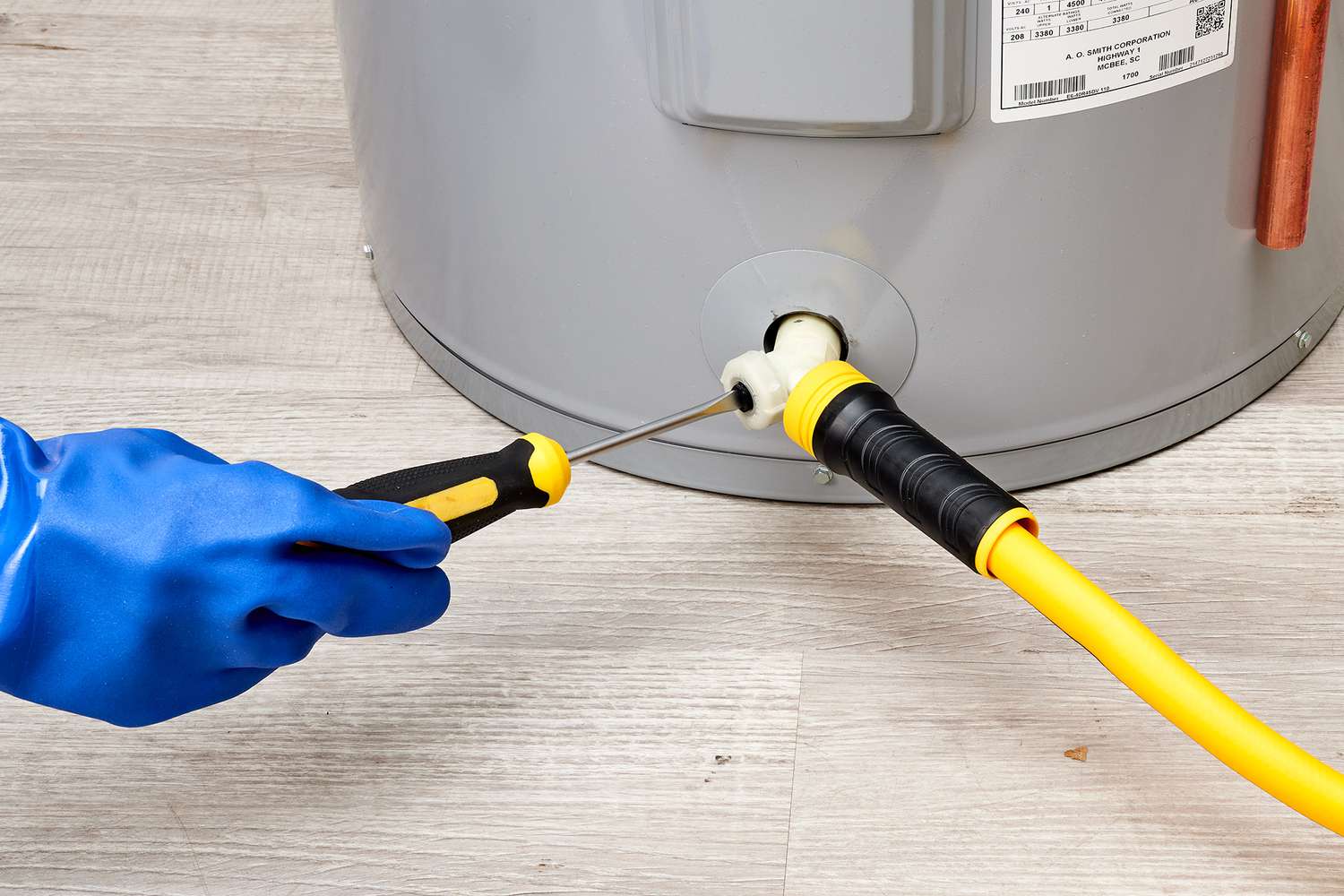
Over time, mineral deposits and sediment will settle at the bottom of your water heater’s tank. These buildups make your appliance work harder, causing inefficiency and potential future damage. Flushing the tank once a year helps remove these deposits and ensures smoother operation. To flush the tank, turn off the power or gas, attach a garden hose to the drain valve, and let the water (along with sediment) flow out until clear. Don’t forget to turn everything back on when finished, and always make sure there are no leaks after the procedure.
Adjust the Temperature Setting
Water heaters are often set at higher-than-necessary temperatures, which increases energy usage and the risk of scalds. The recommended setting is 120°F. This temperature is hot enough for normal household use and helps slow the buildup of mineral deposits and corrosion inside your tank. Additionally, lowering the temperature can reduce heating costs and minimize the risk of overly hot water.
Inspect and Replace the Anode Rod
The anode rod is a crucial part of a water heater, as it helps prevent rust inside the tank by attracting corrosive elements in the water. Over time, this rod will deteriorate and lose its effectiveness. It’s best to inspect the anode rod annually and replace it every three to five years, or sooner if you notice it is heavily worn. A well-maintained anode rod helps maximize your tank’s lifespan and keeps your hot water supply clean and efficient.
Test the Pressure Relief Valve
The temperature and pressure relief valve (T&P valve) serves as an essential safety feature for every water heater. This valve releases excess pressure that can build up inside the tank, preventing dangerous malfunctions. Test the valve every six months by lifting the lever and ensuring water flows from the pipe attached to it. If it sticks, leaks, or fails to discharge water, the valve should be replaced immediately for safety reasons. For persistent issues, National Appliance Repairs can help identify faults before they disrupt your home’s hot water supply.
Insulate the Water Heater
Insulating your water heater and the first six feet of hot and cold water pipes can significantly reduce heat loss and help your appliance maintain its set temperature with less effort. Use a water heater insulation blanket for the tank, keeping clear of important parts like the thermostat or burner access. For pipes, simple foam insulation sleeves can be easily installed and are inexpensive. Proper insulation helps save money on your energy bills and reduces unnecessary wear on your water heater.
Schedule Professional Maintenance
While many tasks can be handled by homeowners, having a professional plumber inspect your system annually can catch more complex issues. These technicians can check for gas or electrical problems, verify proper venting, and ensure the unit is working within safe pressure and temperature standards. A professional tune-up is a small investment compared to the potential expense of emergency repairs or premature system failure.
Conclusion
Proactive care is vital to keeping your water heater running efficiently and reliably. Regular maintenance, from simple visual inspections to professional checkups, helps extend the life of your unit and keep your home’s hot water supply steady. Taking care of these details saves money, prevents inconvenience, and adds peace of mind. Consistent attention and prompt action can keep your water heater in great shape for years to come.
