

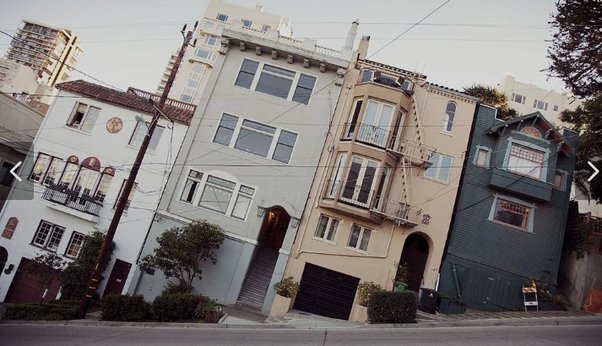
Over time, city planners recognized the difficulties these inclines posed for horse-drawn carriages, pedestrians, and later automobiles. This led to extensive efforts to flatten certain roads to improve accessibility and traffic flow.
Flattening roads in San Francisco was no easy task. Engineers had to develop innovative techniques to alter the landscape without compromising the city’s structure. While many roads remain steep, major projects have significantly changed the way people navigate the city. Understanding the history of these efforts provides insight into how urban planning has shaped modern San Francisco’s streets.
Historical Development of San Francisco’s Street Layout
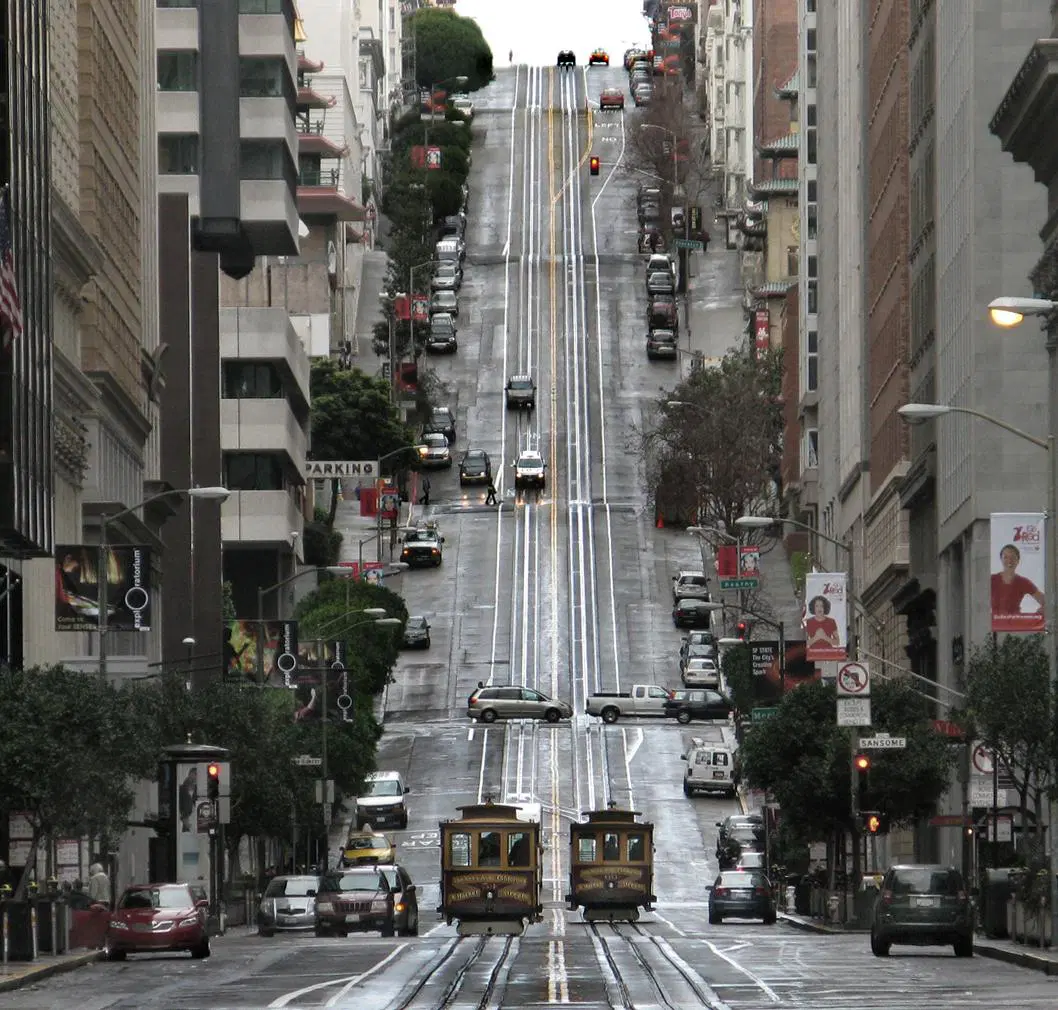
San Francisco’s street grid was originally designed without much consideration for its natural topography. Early planners used a traditional grid pattern, which worked well in flat cities but posed major challenges in hilly areas. By the mid-19th century, the gold rush fueled rapid expansion, forcing city officials to make critical infrastructure decisions.
Many streets were built over sand dunes and hills, resulting in uneven terrain. As the population grew, the city had to find ways to make travel easier. Some areas saw their elevations adjusted, while others remained steep due to geological constraints. This historical approach to urban planning set the stage for later flattening projects.
Why San Francisco Originally Had Steep Roads
San Francisco’s steep roads exist due to its geographical formation, consisting of over 40 hills. The decision to implement a grid system meant streets often ran straight up and down slopes instead of following natural contours. This created some of the steepest streets in the world, like Filbert Street and Lombard Street.
The lack of early urban planning made transportation difficult, especially for horse-drawn carriages. The invention of cable cars in 1873 helped address the issue, but the need for more accessible roads became increasingly apparent as automobiles became common. Despite the challenges, the city’s steep streets remain an iconic feature, attracting tourists and urban planners alike.
Early Efforts to Modify Road Elevation
San Francisco’s steep hills made transportation and construction difficult in the 1800s, prompting early efforts to modify road elevations.
- Manual Grading: Workers used picks, shovels, and steam-powered equipment to carve out pathways.
- Cut-and-Fill Method: Engineers removed soil from higher elevations and redistributed it to lower areas, making roads more manageable.
- Horse-Drawn Streetcars: Introduced in the late 19th century, these required more level tracks, leading to minor road flattening projects.
- Cable Car System (1873): The invention of cable cars allowed for steeper streets to remain, reducing the need for widespread flattening.
- Early 20th-Century Modifications: As automobiles became popular, additional road improvements were necessary for better vehicle accessibility.
These early modifications laid the foundation for larger infrastructure projects in the 20th century, making the city more navigable.
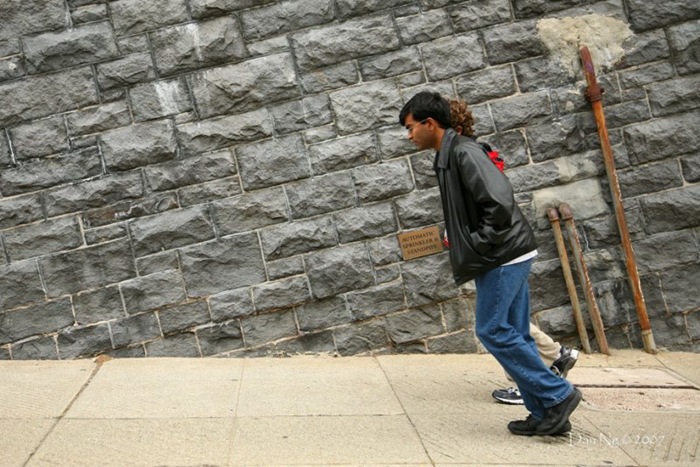
Major Flattening Projects in San Francisco’s History
San Francisco has undergone several major road flattening projects, particularly in areas where steep terrain hindered development.
- Rincon Hill Flattening (1920s): Engineers removed large portions of the hill to expand commercial areas.
- 1906 Earthquake Rebuilding: Many streets were regraded and smoothed as part of the post-earthquake reconstruction.
- Stockton Street Tunnel (1914): A major project that helped create a direct connection between Chinatown and Union Square.
- Twin Peaks Tunnel (1918): Built to improve transit through the hilly landscape, reducing the need for extreme road modifications.
- Embarcadero Freeway Removal (1990s): After the Loma Prieta Earthquake (1989), the damaged freeway was removed, opening up pedestrian-friendly areas.
These projects have shaped San Francisco’s transportation system, making it more efficient and accessible.
Techniques Used to Flatten Roads in San Francisco
Due to the city’s rugged terrain, engineers used various techniques to flatten roads while maintaining stability.
- Cut-and-Fill: Soil from high points was excavated and deposited into lower areas to create a gradual incline.
- Tunneling: Instead of flattening roads, engineers built tunnels through hills to provide direct routes (e.g., Stockton Tunnel, Twin Peaks Tunnel).
- Excavation Projects: Entire hills were removed or reshaped, such as in the Rincon Hill project.
- Retaining Walls & Reinforced Slopes: Modern road projects incorporate retaining walls to stabilize slopes and prevent erosion.
- Seismic-Resistant Design: Engineers now use earthquake-resistant materials to ensure roads remain stable during seismic events.
Through these methods, San Francisco’s streets have become safer and more accessible for transportation.
Impact of Earthquakes on San Francisco’s Roads
San Francisco’s frequent earthquakes have played a significant role in road design and reconstruction efforts.
- 1906 Earthquake: The disaster destroyed much of the city, leading to regrading and road modifications during the rebuilding phase.
- 1989 Loma Prieta Earthquake: Damaged infrastructure led to the removal of the Embarcadero Freeway, reshaping urban transportation.
- Soil Liquefaction Risks: Some roads sit on unstable ground, requiring reinforced foundations to prevent future damage.
- Shock-Absorbing Road Materials: Engineers have incorporated flexible asphalt and reinforced concrete to withstand seismic activity.
- Elevated Structures and Bridges: Bridges like the Bay Bridge have been retrofitted to resist earthquake-related collapse.
Modern road infrastructure in San Francisco is now designed to handle seismic shifts, ensuring safer travel during earthquakes.
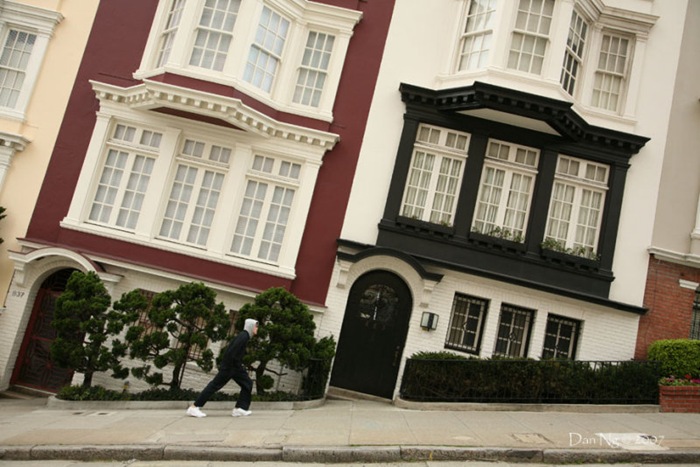
The Role of Urban Planning in Road Flattening
Urban planners have continuously worked to modify roads while preserving San Francisco’s historic character.
- Grid System Adaptation: Unlike traditional city layouts, San Francisco’s grid system had to be adjusted to accommodate steep terrain.
- Public Transit Integration: Planners prioritized BART and Muni tunnels to bypass hills instead of excessive road flattening.
- Embarcadero Redevelopment: Removal of the Embarcadero Freeway allowed for a more walkable and scenic waterfront.
- Sustainable Infrastructure: Modern road projects focus on reducing environmental impact while improving accessibility.
- Seismic Considerations: Planners ensure roads are earthquake-resistant by incorporating shock-absorbing foundations and flexible road surfaces.
Urban planning efforts continue to enhance San Francisco’s road network, making the city more navigable and resilient.
How Flattened Roads Changed Transportation in San Francisco
Flattened roads in San Francisco have significantly transformed transportation, accessibility, and infrastructure development over the decades.
- Easier Vehicle Movement: Early roads were too steep for automobiles, making it difficult for early cars to climb hills. Flattened roads improved traffic flow and reduced accidents.
- Cable Cars vs. Automobiles: The cable car system originally thrived on steep streets, but as cars became more common, road modifications were necessary for smoother travel.
- Expansion of Public Transit: The construction of BART tunnels, the Stockton Street Tunnel, and Twin Peaks Tunnel allowed for more efficient transportation through hilly terrain.
- Improved Pedestrian Safety: Flattened roads led to better sidewalks, crosswalks, and accessibility for disabled individuals.
- Economic Growth: Smoother roads allowed businesses to expand their reach, particularly in commercial districts that were once inaccessible.
Flattened roads have made San Francisco’s transportation network more reliable, benefiting both residents and visitors.
Comparison of Steep vs. Flattened Roads in San Francisco
San Francisco is known for its steep hills, but flattening some roads has changed how people and vehicles navigate the city.
| Feature | Steep Roads | Flattened Roads |
| Traffic Flow | Slower, risk of stalling | Smoother, fewer delays |
| Vehicle Safety | Risk of brake failure | Reduced accident risks |
| Public Transit | Limited routes, cable cars | Easier bus and rail movement |
| Pedestrian Access | Difficult for elderly/disabled | Improved sidewalks, safer crosswalks |
| Economic Impact | Harder for businesses to expand | Encouraged commercial growth |
Flattening roads helped modernize San Francisco, making transportation more efficient and accessible.
Notable Streets That Were Modified Over Time
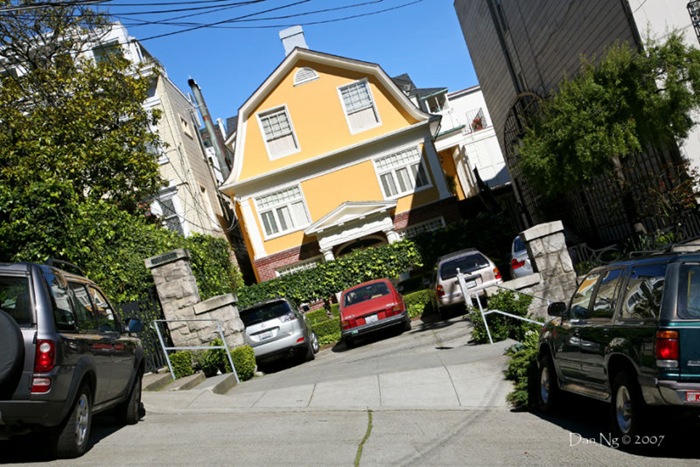
Several streets in San Francisco have undergone major modifications to improve accessibility and traffic conditions.
- Market Street: Originally uneven, it was leveled to become a major commercial corridor.
- Stockton Street Tunnel: Built to connect Chinatown to Union Square, reducing steep inclines for vehicles and pedestrians.
- Rincon Hill: Once a steep hill, it was cut down to allow for expansion of businesses and new developments.
- Embarcadero Freeway Removal: Opened up waterfront areas, improving walkability and public transit access.
- Lombard Street: Famous for its curves, the road was modified to reduce speed and improve safety.
These modifications reflect San Francisco’s ongoing efforts to improve urban mobility while preserving its unique geography.
Public Opinion on Road Changes in San Francisco
The flattening of roads in San Francisco has received mixed reactions from residents, business owners, and city planners.
- Positive Reactions: Many support road flattening because it has made transportation easier, safer, and more efficient. Public transit riders also benefit from smoother routes.
- Negative Reactions: Some residents worry that flattening roads removes the city’s unique character. Additionally, certain modifications have led to gentrification and increased real estate costs.
- Impact on Tourists: Visitors often seek out San Francisco’s famous steep streets, and some worry that excessive modifications could diminish the city’s charm.
- Sustainability Concerns: Environmental advocates argue that major road changes disturb the natural landscape and could lead to increased urbanization.
- Balancing Progress & Tradition: City planners continue to modernize infrastructure while preserving historic and cultural elements.
Public discussions continue on how to balance modernization with preserving San Francisco’s character.
Frequently Asked Questions about San Francisco’s Roads
Why does San Francisco have so many steep roads?
San Francisco’s street grid system was built over natural hills, creating steep inclines.
Did the city ever consider redesigning the roads completely?
While some flattening projects occurred, the city chose to preserve the historic street grid.
What are some of the steepest streets in San Francisco?
Filbert Street, Lombard Street, and 22nd Street are among the steepest.
How do people drive on such steep roads?
Drivers use low gears, handbrakes, and parking at an angle to navigate steep streets.
Were any streets completely flattened?
Some streets, like parts of Market Street and Embarcadero, were leveled.
Do cable cars still help with steep roads today?
Yes, San Francisco’s cable cars remain an important mode of public transportation.
What engineering challenges did road flattening present?
Engineers had to balance stability, safety, and cost while altering the terrain.
Conclusion on When Did San Francisco Get Flattened Roads
San Francisco’s roads tell a story of urban planning, geography, and engineering innovation. While the city’s famous steep streets remain, major flattening projects have significantly improved transportation.
Through excavation, regrading, and tunnel construction, San Francisco has managed to make key routes more accessible. The city’s approach to road flattening continues to evolve, balancing historic preservation with modern infrastructure needs.
