


Why Are Gymnasts So Short? Gymnasts are often shorter than average, and this is not just a coincidence. Height plays a crucial role in gymnastics, affecting performance, skill execution, and body control. Short gymnasts have a lower center of gravity, allowing them to balance, flip, and land with precision. This is why most elite gymnasts tend to be on the shorter side.
Many believe that gymnastics stunts growth, but is this true? The truth is, shorter individuals naturally have an advantage in the sport, and those with compact, muscular builds are often more successful. While intense training might affect growth plates, studies suggest that gymnasts who train rigorously from a young age are typically predisposed to shorter height due to genetics rather than the sport itself.
Another important factor is the selection process. Coaches and talent scouts tend to choose athletes who have explosive power, flexibility, and compact physiques. This means that shorter athletes are more likely to make it to the elite level, while taller ones may find it harder to perform certain skills efficiently. But why exactly does being short help in gymnastics? Let’s explore the science behind it.
Science Behind Short Stature in Gymnastics
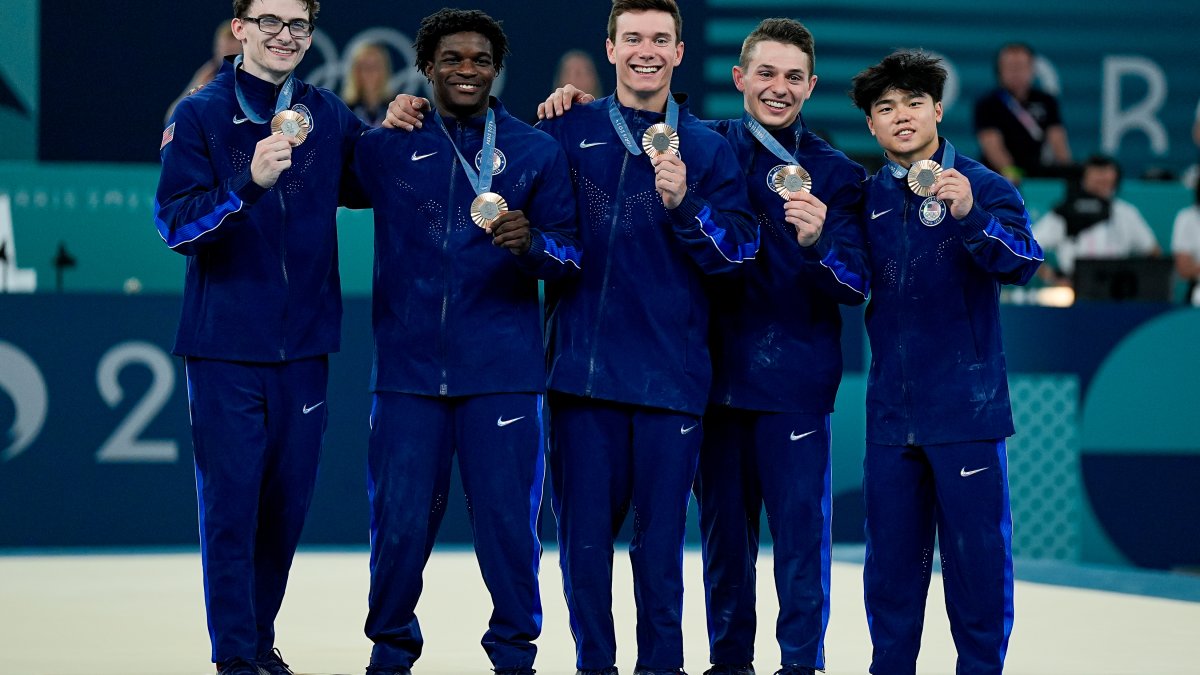
Gymnastics is all about physics, biomechanics, and body control. The sport requires athletes to twist, flip, and rotate at high speeds while maintaining precise body positions. Shorter gymnasts have a clear advantage due to several scientific principles:
- Lower Center of Gravity: A shorter body allows for better balance and stability during complex movements. This makes it easier to perform high-speed flips, twists, and landings with greater control.
- Better Rotation & Aerodynamics: Gymnasts rely on angular momentum to perform rotations. A shorter body requires less effort to spin, leading to faster and more controlled movements.
- Stronger Power-to-Weight Ratio: Shorter limbs generate more explosive power relative to body weight. This means shorter gymnasts can jump higher, flip faster, and land more efficiently than taller athletes.
These factors explain why shorter gymnasts often dominate the sport. Their bodies are naturally suited for the movements required, making them more competitive at the highest levels.
How Gymnastics Training Affects Growth
One of the biggest debates in gymnastics is whether the sport stunts growth. Many parents worry that intense training at a young age might affect their child’s growth and development. While gymnastics does involve high-impact movements, there is no strong evidence proving that it directly stops growth. However, certain factors can influence height development:
- Training Intensity: Elite gymnasts start training from a young age, often before puberty. Their muscles, bones, and joints experience significant stress, which might temporarily delay growth spurts but does not necessarily stop height growth.
- Nutrition & Energy Balance: Gymnasts maintain strict diets to stay lean and strong. If they do not consume enough calories, their bodies might prioritize energy for performance over growth. Proper nutrition is essential for normal development.
- Growth Plate Stress: High-impact activities like vaulting, tumbling, and landings put stress on growth plates, which might affect height potential if overtraining occurs. However, once training is reduced, normal growth often resumes.
The key takeaway is that gymnastics does not directly stunt growth, but certain training factors can influence height if not properly managed.
Genetics and Natural Selection in Gymnastics
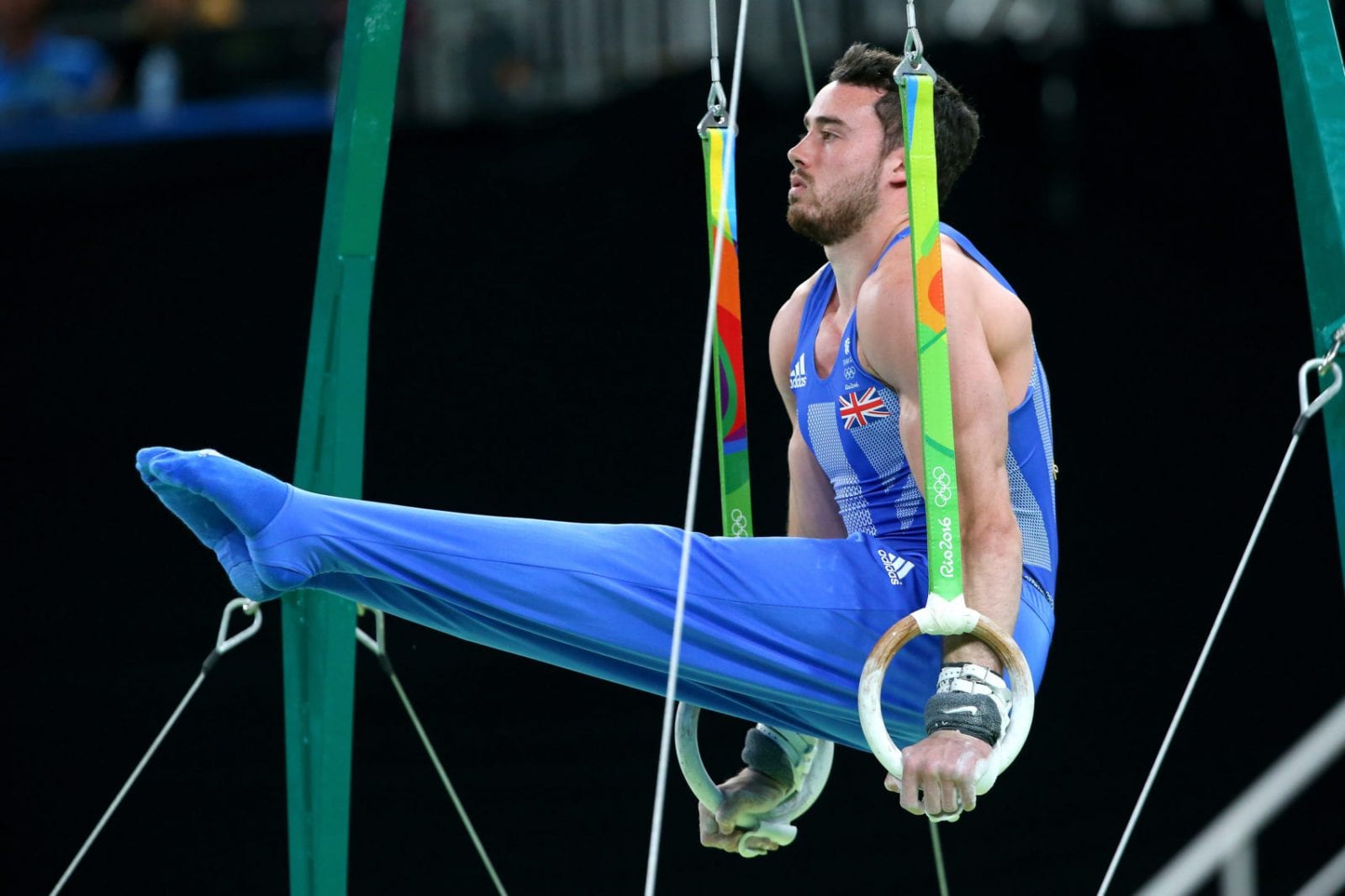
One of the biggest reasons why gymnasts are short is genetics. Shorter athletes naturally excel in gymnastics because their body structure makes it easier to perform skills with precision, speed, and control.
- Inherited Height: Most gymnasts come from families with shorter statures, meaning they were likely going to be short regardless of training. Genetics plays a significant role in determining height potential.
- Selection Process: Coaches and talent scouts favor gymnasts who have explosive power, flexibility, and compact builds. This means shorter gymnasts are more likely to reach elite levels.
- Adaptation to the Sport: Gymnasts with naturally shorter limbs and stronger cores adapt better to the physical demands of the sport, allowing them to develop skills faster than taller athletes.
Advantages of Being Short in Gymnastics
Gymnastics is one of the few sports where being shorter is actually an advantage. Here’s why:
- Easier Rotations: Short gymnasts can flip and twist faster, making it easier to perform complex aerial maneuvers.
- Better Control: A compact frame provides more stability, reducing the chance of falling or losing balance.
- Lower Impact on Joints: Shorter athletes absorb less force when landing, reducing the risk of injuries.
These advantages make it clear why elite gymnasts are typically on the shorter side.
Height Differences Between Male and Female Gymnasts
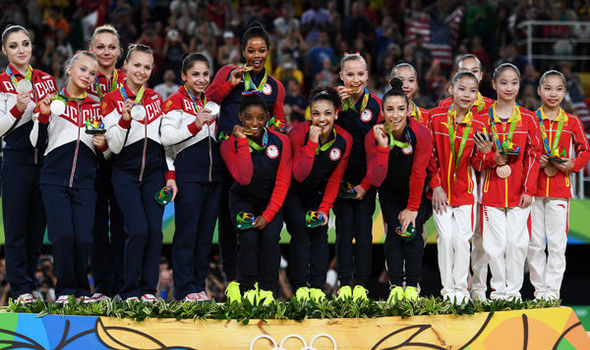
There is a noticeable height difference between male and female gymnasts. While both tend to be shorter than average, male gymnasts are usually taller than female gymnasts.
- Female Gymnasts: Most elite female gymnasts are between 4’8” and 5’2”, as their routines focus on speed, balance, and flexibility.
- Male Gymnasts: Male gymnasts range from 5’2” to 5’8”, as they require upper body strength for rings, pommel horse, and parallel bars.
- Impact of Puberty: Female gymnasts maintain their compact size due to early training and muscle development, while male gymnasts grow taller because testosterone increases muscle mass.
Despite these differences, both male and female gymnasts benefit from shorter statures in different ways.
Examples of Famous Short Gymnasts
Some of the world’s most successful gymnasts are notably short.
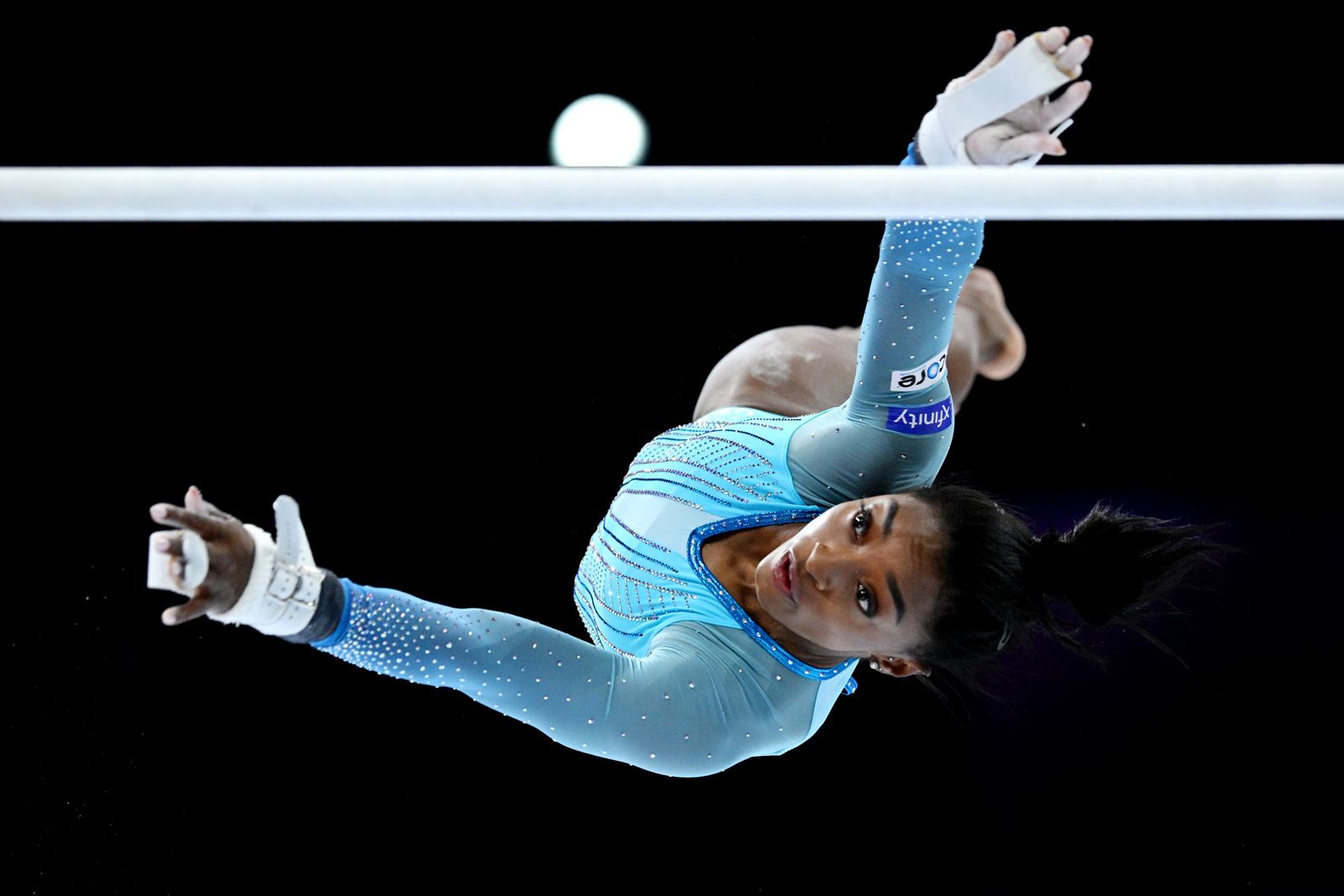
- Simone Biles (4’8”) – One of the most powerful and dominant gymnasts in history.
- Nadia Comaneci (5’4”) – Taller than average but still excelled in gymnastics.
- Kohei Uchimura (5’3”) – A male gymnast known for his incredible technique and precision.
These gymnasts prove that height is not a limitation—it’s an advantage in gymnastics.
Frequently Asked Questions About Why Are Gymnasts So Short?
Does gymnastics stunt growth?
No, gymnastics does not stunt growth. Genetics plays a bigger role in determining height, and while intense training may temporarily delay growth, gymnasts usually reach their natural height once training is reduced.
Why are gymnasts usually short?
Shorter gymnasts have a lower center of gravity, better balance, and faster rotations, making them more efficient in performing complex skills. Coaches also select athletes with compact builds, leading to a higher number of short gymnasts in elite competitions.
Can tall people be gymnasts?
Yes, but taller gymnasts may struggle with rotations, landings, and maintaining balance. Some taller gymnasts, like Svetlana Khorkina (5’5”), have been successful by adapting their skills to suit their height.
What is the average height of a gymnast?
Female gymnasts are typically between 4’8” and 5’2”, while male gymnasts range from 5’2” to 5’8”. However, there are exceptions in both categories.
Does gymnastics affect puberty?
Intense training can delay puberty, but it does not stop it. Once training intensity decreases, puberty progresses normally, and athletes develop naturally.
Conclusion of Why Are Gymnasts So Short
Gymnastics is a sport where being short is a competitive advantage. Physics, biomechanics, genetics, and training selection all contribute to why most gymnasts are below average height. Shorter gymnasts can rotate faster, balance better, and absorb less impact, making them naturally suited for the sport.
While many people believe that gymnastics stunts growth, the truth is that shorter individuals are simply better suited for the sport. Genetics plays the biggest role, but training intensity, diet, and growth plate stress can also influence height development.
At the end of the day, height is just one factor in gymnastics. Strength, dedication, and skill matter much more than how tall a gymnast is. Whether a gymnast is 4’8” or 5’4”, what truly defines their success is their passion, technique, and commitment to the sport.
