

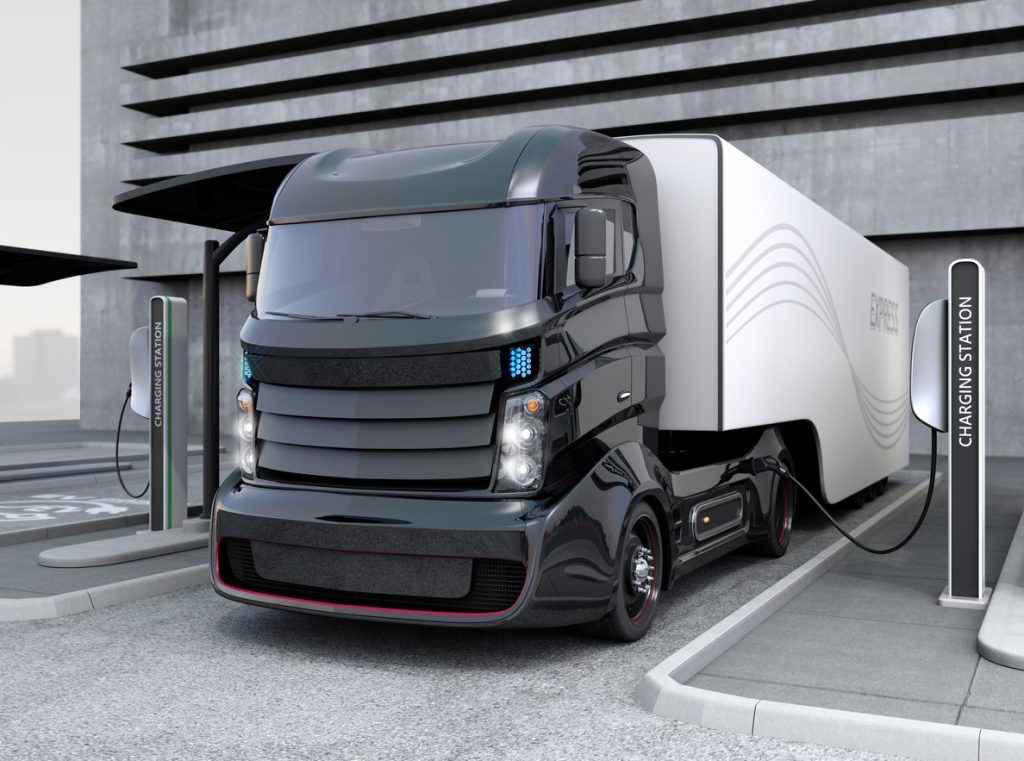
Electric trucks are steadily transforming the logistics industry, particularly in short-haul deliveries. As cities become more congested and environmental concerns mount, the demand for cleaner, quieter, and more efficient delivery vehicles has skyrocketed. Electric trucks have stepped in as the perfect solution, quietly revolutionizing how goods are moved in urban environments. Their ability to slash emissions, reduce noise pollution, and cut operational costs is turning heads in the transportation world.
While the idea of electric trucks may have seemed futuristic not long ago, these vehicles are now very much a part of today’s landscape. Companies across the globe are integrating electric trucks into their fleets, recognizing their potential to streamline urban deliveries without compromising the environment.
Quieter Cities: Electric Trucks’ Role in Noise Reduction
Imagine bustling cities like Oakland without the constant rumble of diesel engines and the roar of heavy trucks in the early morning hours. Electric trucks are helping to make that a reality. One of their standout features is their near-silent operation. Unlike their diesel counterparts, electric trucks hum along city streets with minimal noise, a game-changer for densely populated areas.
This quieter operation doesn’t just enhance the quality of life for residents—it opens up new possibilities for logistics companies. Electric trucks can make nighttime and early-morning deliveries without disturbing the peace, allowing businesses to bypass traffic congestion and meet customer demands faster. As cities expand and become more crowded, the ability to operate silently is turning into a huge competitive advantage.
Lower Costs, Higher Efficiency: A Win for Short-Haul Delivery
For logistics companies, keeping costs low is a constant challenge. Electric trucks are quickly proving to be a smart investment when it comes to reducing operational expenses. With fewer moving parts, no oil changes, and less frequent maintenance, electric trucks lower the cost of upkeep compared to traditional diesel trucks. Additionally, electricity is significantly cheaper than diesel, and regenerative braking systems allow trucks to recharge while on the move, extending battery life and reducing the need for constant recharging.
These benefits shine in short-haul delivery scenarios, where trucks are constantly stopping and starting. The cost savings from using electric trucks can be substantial, making them a financially attractive option for companies focused on urban logistics. This not only boosts profits but also enhances the overall efficiency of delivery operations.
Greener Streets: Environmental Benefits of Electric Trucks
Electric trucks are more than just a quieter, cheaper option—they’re also a vital tool in the fight against urban air pollution. Short-haul deliveries in major cities contribute significantly to local air quality problems, with diesel trucks pumping out harmful emissions. Electric trucks, on the other hand, produce zero tailpipe emissions, helping to clean up the air and reduce the carbon footprint of delivery operations.
For cities like Oakland, which are under increasing pressure to adopt greener transportation methods, electric trucks represent a powerful solution. Governments are beginning to take notice, offering incentives for companies to transition to electric fleets. The environmental benefits are clear, and businesses that embrace electric trucks early stand to gain both in terms of reputation and compliance with future regulations.
Electric Trucks in Action: Transforming Delivery Fleets
As electric truck technology advances, more companies are incorporating them into their short-haul fleets, transforming how goods are delivered. With shorter routes and frequent stops, the demands of urban delivery align perfectly with the capabilities of electric vehicles. Companies can now reduce fuel costs and emissions while improving delivery times in congested areas.
The shift to electric trucks is not just a passing trend; it signals a fundamental change in how logistics companies operate. As more electric models become available and charging infrastructure expands, this transformation will continue to gather momentum, reshaping the entire delivery landscape.
Charging Infrastructure: Building the Future for Electric Deliveries
Despite their many advantages, one of the hurdles electric trucks face is the availability of charging infrastructure. Short-haul delivery operations require trucks to be ready to go at all times, and limited access to fast-charging stations can slow things down. Fortunately, logistics companies are already investing in dedicated charging facilities at distribution hubs, allowing trucks to recharge during off-peak hours or between shifts.
Cities are also starting to expand public charging networks, making it easier for electric trucks to stay powered while on the move. This investment in infrastructure is crucial to the success of electric trucks and will be a determining factor in how quickly the industry can fully transition to electric fleets.
Overcoming Adoption Barriers: Challenges and Opportunities
Electric trucks may offer lower operational costs and environmental benefits, but challenges remain in adopting them at scale. The upfront cost of purchasing electric trucks is still higher than that of traditional diesel trucks, which can be a hurdle for smaller logistics companies. However, as technology improves and production ramps up, the price of electric trucks is expected to drop, making them more accessible to businesses of all sizes.
In addition to cost, range limitations and the need for more charging infrastructure present challenges. Despite these hurdles, the benefits far outweigh the obstacles, and companies that invest in electric trucks now will position themselves to thrive in the future. Electric trucks are no longer a novelty—they’re becoming a necessity for the evolving logistics industry.
As more electric trucks hit the roads, there’s also the potential for accidents involving these new vehicles. While electric trucks offer many safety advantages, such as advanced sensors and braking systems, accidents can still occur. The legal landscape surrounding trucking accidents involving electric trucks may involve different complexities compared to traditional trucks. Issues such as battery malfunctions, software errors, or maintenance lapses can affect liability in these cases. If you need help with a claim, reaching out to the foremost truck accident law firm can provide you with the necessary expertise to navigate these challenges.
Navigating the legal challenges that arise from accidents involving electric trucks will require expertise in both traditional accident law and the emerging field of electric vehicle technology. Understanding the nuances of these claims is critical for anyone involved in an accident with an electric truck.
What’s Next for Short-Haul Deliveries?
Electric trucks are already changing the face of short-haul deliveries, and their impact is only set to grow. As technology advances and infrastructure improves, electric trucks will become even more efficient, reliable, and widespread. For businesses focused on last-mile logistics, these vehicles represent a way to reduce costs, meet environmental goals, and offer faster, quieter, and more flexible delivery options.
The quiet revolution of electric trucks in short-haul deliveries is just beginning. As the logistics industry continues to evolve, those who embrace this shift early will lead the charge toward a cleaner, more efficient future for urban transportation.
