

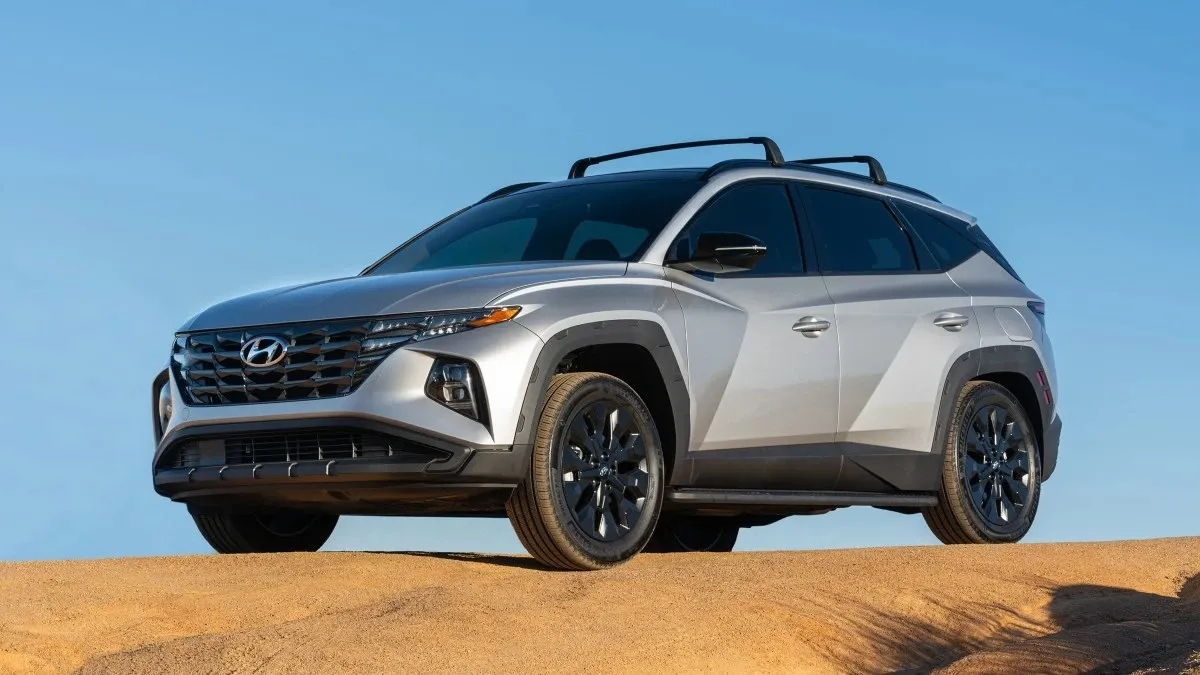
The Hyundai Tucson is a compact SUV that has gained popularity due to its stylish design, comfortable interior, and reliable performance. Launched in 2004, the Tucson has become a top choice for families and individuals who seek an affordable and practical vehicle. Over the years, Hyundai has introduced various models of the Tucson, each offering a unique blend of features to meet the diverse needs of drivers. With its combination of efficiency, safety, and advanced technology, the Hyundai Tucson remains a competitive option in the SUV market.
Evolution of Hyundai Tucson Models
Over the years, the Hyundai Tucson has evolved significantly, with each generation bringing improvements in technology, safety, and design.
- First Generation (2004-2009): The original Tucson was introduced with a simple design and basic features, offering a choice between a 2.0-liter four-cylinder engine and a 2.7-liter V6 engine. It was appreciated for its affordability and practicality, making it a great option for budget-conscious buyers.
- Second Generation (2010-2015): The second generation saw a complete redesign, with a more modern look and improved fuel efficiency. It offered advanced safety features, including electronic stability control and traction control, which enhanced its appeal in the market.
- Third Generation (2016-2020): This version brought a sleeker design, better fuel economy, and more technology features. It included options for a turbocharged engine, a larger touchscreen display, and advanced driver assistance systems, catering to tech-savvy consumers.
- Fourth Generation (2021-Present): The latest Tucson boasts a bold design, hybrid and plug-in hybrid options, and a host of high-tech features. It offers increased interior space and a focus on sustainability, making it a standout in the competitive SUV market.
Despite its popularity, the Hyundai Tucson, like any vehicle, is not immune to certain common problems. Understanding these issues can help owners maintain their vehicles better and ensure a smoother driving experience.
7 Common Types of problems in Hyundai Tucson Vehicles
While the Hyundai Tucson is generally considered reliable, there are several common problems that owners may encounter. These issues can vary by model year and usage but often include problems with the engine, transmission, electrical system, and more.
- Engine Problems – Engine issues are among the most frequently reported problems in Hyundai Tucson vehicles. These can include stalling, rough idling, or a decrease in power. Such issues are often caused by faulty sensors, ignition coils, or fuel system components. Regular maintenance and timely replacement of worn-out parts can help mitigate these problems.
- Transmission Issues – Some Tucson models, particularly those from earlier generations, have experienced transmission problems. Symptoms may include delayed shifting, slipping gears, or transmission fluid leaks. These issues can often be traced back to worn-out transmission components or low transmission fluid levels. Ensuring the transmission is serviced according to the manufacturer’s recommendations can help prevent major breakdowns.
- Electrical System Malfunctions – Electrical issues are not uncommon in the Hyundai Tucson, affecting components like the power windows, door locks, and dashboard lights. These problems may arise due to faulty wiring, blown fuses, or malfunctioning switches. Diagnosing electrical issues can be complex, so it’s often best to seek assistance from a qualified technician.
- Suspension and Steering Problems – Some Tucson owners have reported problems with the vehicle’s suspension and steering system. These issues can manifest as a rough ride, clunking noises, or difficulty steering. Worn-out suspension components, such as struts and ball joints, are often the culprits. Regular inspections and replacements can ensure a smoother driving experience.
- Problems with the Car Key – A specific issue that some Hyundai Tucson owners face involves the car key. Problems can include difficulty starting the vehicle, the key getting stuck in the ignition, or issues with the keyless entry system. These problems may require the key to be reprogrammed or replaced. It is essential to consult a qualified Hyundai car locksmith who specializes in Tucson models to address these issues effectively. Replacing a car key with an unqualified technician can lead to further complications and increased costs.
- Brake System Issues – Brake problems are another common complaint among Tucson owners. These issues can range from squeaking noises and reduced braking efficiency to complete brake failure. Worn-out brake pads, rotors, or calipers are typically responsible for these problems. Regular brake inspections and timely replacement of brake components are crucial for maintaining safety on the road.
- Air Conditioning and Heating Problems – Some Hyundai Tucson models have experienced issues with the air conditioning and heating system, such as weak airflow, inconsistent temperature control, or strange noises. These problems may result from a faulty compressor, blower motor, or clogged air filters. Regular maintenance of the HVAC system can help prevent these issues and ensure comfort in all weather conditions.
Conclusion and Recommendations
while the Hyundai Tucson is a reliable and popular vehicle, it is not without its common problems. Understanding these issues can help owners take proactive measures to maintain their vehicles and avoid costly repairs. Engine and transmission problems, electrical malfunctions, suspension issues, and car key problems are among the most frequently reported problems in Hyundai Tucson vehicles.
To ensure the longevity and performance of your Hyundai Tucson, it is vital to adhere to the manufacturer’s recommended maintenance schedule. Regularly checking the oil and water levels, servicing the vehicle on time, and addressing any issues promptly can significantly reduce the risk of major breakdowns.
Additionally, it is essential to consult qualified professionals for repairs and replacements, particularly when dealing with complex systems like the transmission or car key. By taking these precautions, Hyundai Tucson owners can enjoy a smooth and reliable driving experience for years to come.
