

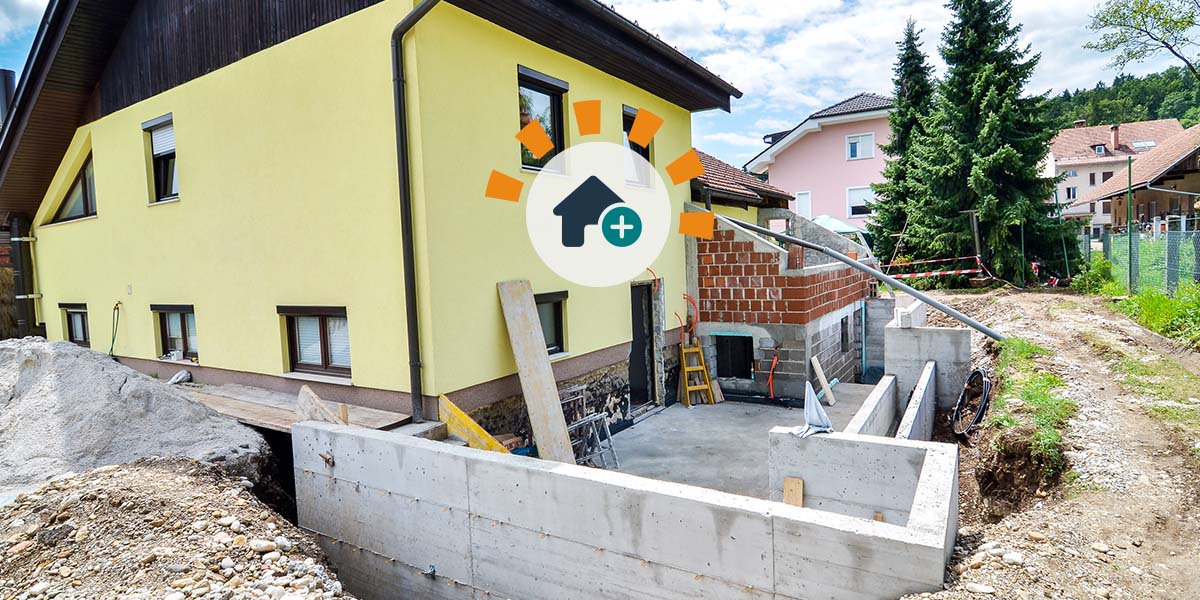
Embarking on a home addition project in Cambridge, MA, is an exciting endeavor that can significantly enhance your living space and add value to your property. However, it requires careful planning and consideration to ensure the process goes smoothly and meets your expectations. Here are some essential tips to guide you through a successful home addition project in this vibrant city.
- Define Your Goals and Budget
Before diving into any construction project, it’s crucial to have a clear understanding of your goals. Are you looking to add an extra bedroom, expand your kitchen, or create a home office? Define the purpose of your addition and how it will enhance your home’s functionality and aesthetics.
Once you have a clear vision, establish a realistic budget. Consider all aspects, including design, materials, labor, permits, and potential unexpected expenses. It’s advisable to set aside a contingency fund to cover any unforeseen costs that may arise during the project.
- Understand Zoning Laws and Building Codes
Cambridge, MA, has specific zoning laws and building codes that you must adhere to when planning a home addition. These regulations dictate aspects such as the maximum allowable height, setback requirements, and the percentage of your lot that can be built upon. It’s essential to familiarize yourself with these rules to avoid any legal issues that could delay or derail your project.
Visit the City of Cambridge website or contact the local building department to obtain the necessary information. You may also want to consider hiring a professional who is knowledgeable about local regulations to ensure your project complies with all applicable codes.
- Hire a Qualified Architect and Contractor
A successful home addition project hinges on the expertise of your architect and contractor. Take the time to research and hire professionals who have experience with home additions in Cambridge, MA. Look for individuals or firms with a strong portfolio, positive client reviews, and a good understanding of local building practices.
An experienced architect will help you design a space that complements your existing home while maximizing functionality and aesthetic appeal. Meanwhile, a reliable contractor will ensure the construction process is efficient, adheres to the budget, and meets quality standards.
- Obtain Necessary Permits
Securing the necessary permits is a critical step in the home addition process. Without the proper permits, your project could face significant delays or even legal action. In Cambridge, MA, you will likely need building permits, zoning permits, and possibly other approvals depending on the scope of your addition.
Work closely with your architect and contractor to ensure all required permits are obtained before construction begins. This will help streamline the process and prevent any unnecessary interruptions.
- Consider Energy Efficiency
Cambridge, MA, is known for its commitment to sustainability and energy efficiency. When planning your home addition, consider incorporating energy-efficient features to reduce your environmental impact and lower utility bills. This might include installing high-performance windows, using sustainable building materials, and incorporating energy-efficient heating and cooling systems.
Additionally, consider passive design principles that maximize natural light and ventilation, reducing the need for artificial lighting and climate control. These elements not only contribute to a more sustainable home but can also enhance your overall comfort and well-being.
- Plan for Future Needs
While it’s essential to address your current needs, it’s also wise to consider how your home addition will serve you in the future. Think about potential changes in your lifestyle, family dynamics, or work situation that might affect how you use the new space. Designing a flexible and adaptable addition can save you time and money down the road.
For example, if you’re adding a home office, consider how it might be repurposed as a guest room or additional living space if your needs change. Building with future flexibility in mind can ensure your home remains functional and relevant for years to come.
- Communicate Clearly and Regularly
Effective communication is key to the success of any construction project. Maintain open lines of communication with your architect, contractor, and any other professionals involved in the project. Regularly discuss progress, address any concerns promptly, and stay informed about the project’s status.
Establishing a clear communication plan at the outset can help prevent misunderstandings and ensure everyone is on the same page throughout the process.
Conclusion
Home additions in Cambridge, MA, offer a fantastic opportunity to enhance your living space and add value to your property. By defining your goals, understanding local regulations, hiring qualified professionals, obtaining necessary permits, considering energy efficiency, planning for future needs, and maintaining clear communication, you can ensure a successful home addition project. With careful planning and execution, your home addition can transform your living space into a more functional, beautiful, and enjoyable environment.
