

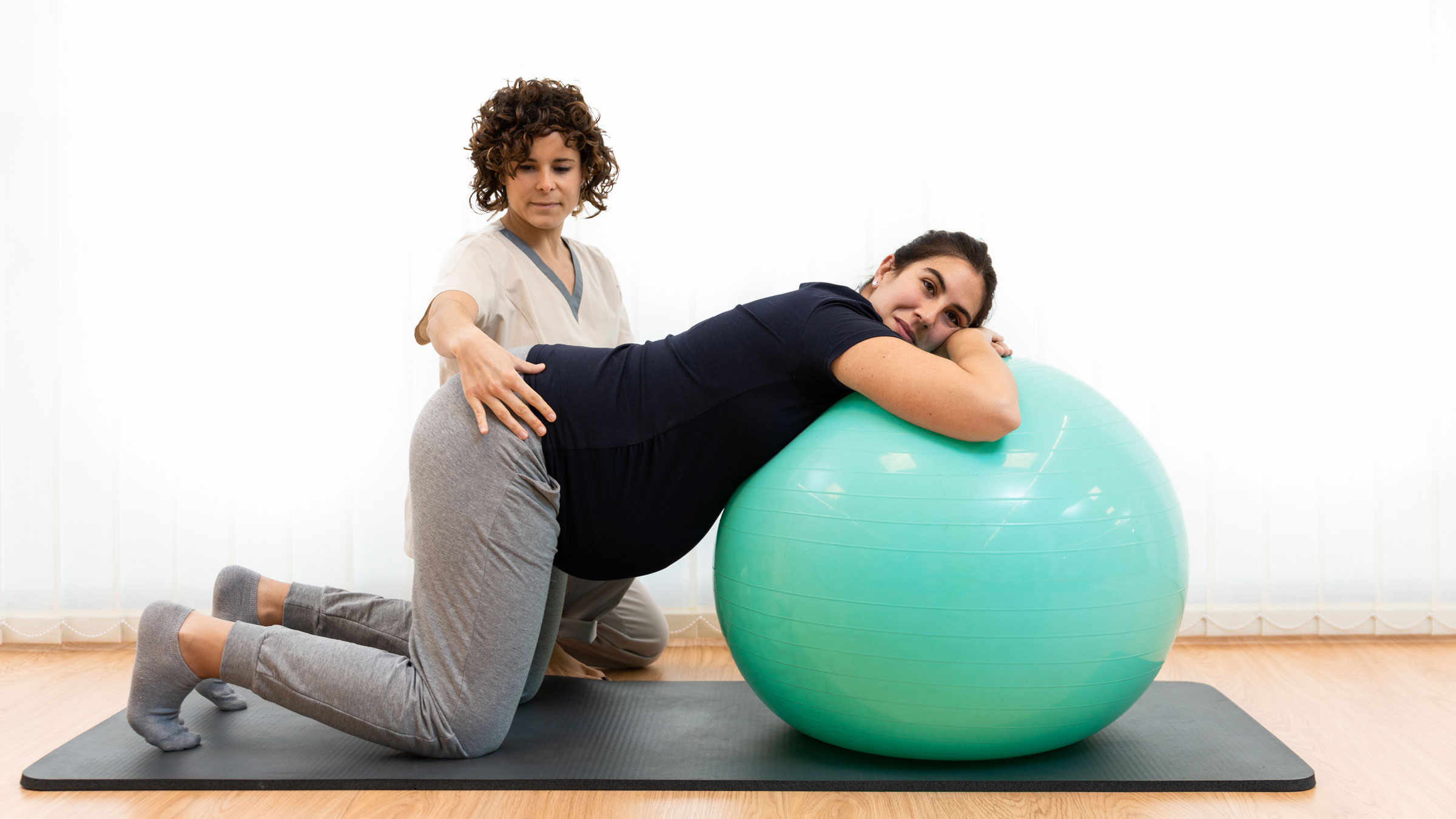
The pelvic floor muscles are a group of muscles at the base of our pelvis that support the organs in the region, including the bladder, rectum, and uterus in women. Weakness of these muscles translates to pelvic pain and problems with peeing and pooing, which can manifest as urinary and fecal incontinence (inability to hold urine or feces). In a condition known as pelvic organ prolapse, the unsupported organs may also fall through to protrude outside the body. Sexual dysfunction is another problem that can arise from pelvic floor weakness.
The good news is that there are ways to prevent and treat these problems, and that’s where pelvic floor physiotherapy in Edmonton, AB, comes in. In this article, you will learn how Revive Spine & Sport Physiotherapy Clinic helps people with pelvic floor dysfunction.
What Conditions Does Pelvic Floor Therapy Treat?
Problems with the pelvic floor often arise from pregnancy, childbirth, aging, heavy lifting, or chronic constipation.
Urinary Incontinence
This is when you leak urine involuntarily. You may experience urinary incontinence when coughing, sneezing, laughing, or exercising. Weak or overactive pelvic floor muscles can cause this condition. Nerve damage, pregnancy, childbirth, and menopause can also increase your risk of urinary incontinence.
Pelvic Pain
Pain or discomfort in your lower abdomen, pelvis, or genitals is usually pelvic pain. You may experience this pain if you have muscle spasms, nerve irritation, or inflammation. Infection and endometriosis are other factors that contribute to pelvic pain.
Pelvic Organ Prolapse
The pelvic organs include the bladder, uterus, and rectum. When any or more of these organs slip out of position and bulge into your vagina or anus, you have pelvic organ prolapse. This condition often occurs due to damaged pelvic floor muscles, childbirth, pregnancy, and aging.
Sexual Dysfunction
Difficulty with sexual arousal, orgasm, or satisfaction is usually due to pelvic floor problems. This may cause pain, tightness, and dryness. You may also experience a lack of sensation in your pelvic area.
What Techniques Are Used During Pelvic Floor Physiotherapy?
Pelvic floor physiotherapy in Edmonton involves several techniques to address your condition. Your physiotherapist will recommend the best technique depending on your condition’s severity and treatment goals. These techniques include;
Manual therapy
Manual therapy is a hands-on treatment that the physiotherapist can use to mobilize and manipulate the pelvic floor muscles. Your physiotherapist will gently massage the tissue inside your vagina to stretch the area and release trigger points – trigger points are small, tight muscle fibers that cause pain.
Although massage therapy may feel uncomfortable, your physiotherapist will communicate with you during the procedure, and you should never hesitate to speak up when necessary.
Strengthening exercises
Your physiotherapist will recommend specific exercises to strengthen your pelvic floor muscles. You will also learn how to identify various muscles and safely carry out the exercises that target these muscles at home. Your physiotherapist may also teach you relaxation techniques, including yoga poses and breathing exercises, to help improve your posture and relieve pain.
Furthermore, depending on your condition, your physiotherapist may recommend kegel exercises. You will also learn how to do the exercises safely and correctly. Kegel exercises involve contracting and relaxing pelvic floor muscles to improve strength and function.
Biofeedback
Biofeedback requires a device that measures and gives you feedback on the strength of your pelvic floor muscles. This treatment method is often used alongside pelvic floor exercises. When you contract and relax your pelvic floor muscles, the device displays information about muscle activity. With this treatment method, you can use the correct muscles, strengthening them and decreasing pain.
Electrical stimulation
Electrical stimulation strengthens the pelvic floor muscles using light electrical currents. Your physiotherapist will insert a vaginal probe into your body to deliver the electrical impulses. Consequently, the current stimulates and contracts the muscles, improving strength and function.
Relaxation Techniques
Relaxation techniques like yoga, pilates, meditation, and breathing can calm your body to reduce pain and emotional stress.
Benefits of Pelvic Floor Therapy
Pelvic floor therapy can help you in the following ways;
- Strengthening your pelvic floor muscles. This physiotherapy can improve your muscle coordination and control.
- Relaxing your pelvic floor muscles and releasing any tension
- Improving your blood circulation to reduce pain and inflammation
- Educating you on how to care for your pelvic floor. You will also learn about preventing or managing your symptoms.
What to Expect from a Pelvic Floor Therapy Session
You might wonder what to expect from pelvic floor therapy. When you visit your physiotherapist, you can expect these:
Before Your First Session
Before starting a pelvic floor therapy program, you will undergo a thorough examination. During the examination, your physiotherapist will ask about your medical history, symptoms, goals, and expectations.
You may also undergo a physical examination of your pelvic floor. Feel free to discuss any discomfort you feel with your physiotherapist.
Your physiotherapist will then create a tailored treatment plan based on your examination results. Your physiotherapist will discuss the plan with you and answer all your questions.
During Your First Session
You will follow the recommended treatment plan during your session with your physiotherapist. Usually, the plan will consist of exercises, modalities, and techniques to improve your health. The plan is progressive and will address your condition step by step.
After Your First Session
Pelvic floor therapy does not end in one session. You will have follow-up sessions for the best results. Your physiotherapist will also monitor your response and adjust your treatment accordingly. They will also give you home exercises and instructions to follow between sessions.
The frequency and duration of your sessions will depend on your condition, progress, and goals.
Conclusion
Could Pelvic Floor Physiotherapy Edmonton help you? Yes, it will help you strengthen your pelvic floor muscles, reduce pelvic pain, and ease any problems you have with incontinence, sexual performance, and organ prolapse. Visit us today at Revive Spine & Sports Physiotherapy Clinic so our dedicated team of expert physiotherapists can help you.
