

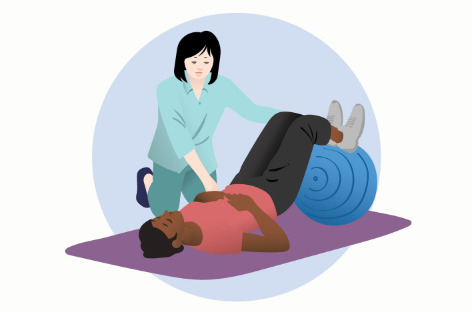
The pelvic floor consists of muscles that act as hammocks that hold the bladder, uterus, and colon into place. Pelvic floor dysfunction can occur when these muscles are poorly toned, agitated, or unable to control and relax when they must.
This could cause complaints such as urinary or fecal incontinence, increased frequency of urinary or bowel movements, pelvic pain and discomfort, constipation, and sexual concerns.
Pelvic Floor Physical Therapy Woodstock, PFPT, is a treatment modality that may be very effective in managing many different disorders in the pelvic floor. Continue reading to discover which situations may be a good time for pelvic floor PT.
Contents
Common Pelvic Floor Dysfunctions
Some examples of pelvic floor conditions that can be helped with physical therapy include:
- Urinary incontinence – Urine leakage can occur with activities like coughing, laughing, exercising, etc. Common types are stress incontinence and urge incontinence. Weak pelvic floor muscles are often a factor.
- Fecal incontinence – Inability to control bowel movements leading to accidental leakage of stool. This may be due to pelvic floor weakness or nerve damage.
- Pelvic organ prolapse – Pelvic organs like the uterus, bladder or rectum drop down from their normal position due to pelvic floor weakness. This can cause pressure, heaviness, bulging sensation, etc.
- Painful intercourse – Pain during sexual activity due to tight pelvic floor muscles. Other causes include endometriosis, pelvic adhesions, etc.
- Chronic pelvic pain – Persistent pain in the pelvis, lower abdomen or perineum due to muscle spasms, nerve pain, endometriosis, etc.
- Constipation – Difficulty passing stools, often accompanied by straining. One cause is pelvic floor dyssynergia, where the muscles can’t relax and coordinate properly during bowel movements.
- Postpartum recovery – Weakness or tearing of pelvic floor muscles during pregnancy and childbirth. This can lead to urinary incontinence and other dysfunctions.
Benefits of Pelvic Floor Physical Therapy
PFPT has many advantages when treating the mentioned conditions. It supports the patients in performing muscle exercises to fix the muscles not contracted well enough in the pelvic floor and to train the muscle overactivity by using different mechanisms such as biofeedback or trigger point release.
The technique also benefits from enhancing proper timing and synchronization of movements involving the pelvic floor and abdominal muscles. This may include soft tissue mobilization, therapeutic ultrasound, and electrical stimulation as ways of working on the affected pelvic region to relieve pain.
The positive aspects are that clients learn optimal bowel and bladder training through diet and timed voiding recommendations, as well as enhance their sexual function via vaginal dilator therapy, counseling as well as education.
Patients are also taught about postpartum rehabilitation, which involves the rehabilitation of the pelvic floor, such as abdominal muscles, lifestyle changes, physical activity restrictions and bearing activities, and instrumental aids.
In this regard, by focusing on a comprehensive and stimulating strategy without having to involve prescription medicines or surgeries, it is possible to express that PFPT is capable of providing various patients with distinct dysfunctions and demands with reliable treatment protocols.
What to Expect in Pelvic Floor PT
Pelvic floor PT involves:
- Evaluation – Assessing pelvic floor muscle strength, tone, coordination and function through digital palpation, electromyography, ultrasound, etc.
- Manual therapy – Hands-on techniques like trigger point release and myofascial stretching to relax tight muscles.
- Exercise – Prescribing exercises like Kegels to strengthen weak muscles or relax and stretch tight muscles. Proper form and technique is emphasized.
- Biofeedback training – Using sensors and visual feedback to teach awareness and control of pelvic floor muscles.
- Neuromuscular re-education – Retraining appropriate muscle contraction, relaxation and coordination.
- Modalities – Using heat, ice, electrical stimulation to reduce pain and facilitate healing.
- Bladder/bowel retraining – Establishing optimal voiding and bowel habits through techniques like timed voiding, diet regulation, etc.
- Patient education – Providing lifestyle guidance on diet, fluid intake, toilet posture, hygiene practices, etc.
When to Seek Pelvic Floor PT?
You may benefit from a pelvic floor PT if you have:
- Leaking of urine or stool
- Frequent urination or inability to fully empty bladder
- Pelvic heaviness, bulging sensation or organs dropping down
- Pelvic pain or pain during intercourse
- Constipation and straining during bowel movements
- Weak core, loose feeling in pelvic region, especially after childbirth
- Pain or dysfunction after gynecologic, urologic or colorectal surgery
Seeking early treatment for pelvic floor dysfunction can help prevent worsening of symptoms and avoid more invasive solutions like surgery. A pelvic health specialist like those at FYZICAL Woodstock (Hickory Flat) can accurately diagnose your condition and guide you through effective pelvic floor rehabilitation.
Conclusion
Woodstock Physical Therapy is considered safe and beneficial for any dysfunction related to incontinence, organ prolapse, consand tipation, pain, postpartum women. It includes exercise, manipulation, biofeedback and instruction aimed at making stronger and better coordinated the pelvic floor muscles.
It is still possible to seek help from experienced Pelvic floor physical therapists such as the FYZICAL Woodstock (Hickory Flat) and get some relief against extremely disabling pelvic floor disorders.
