

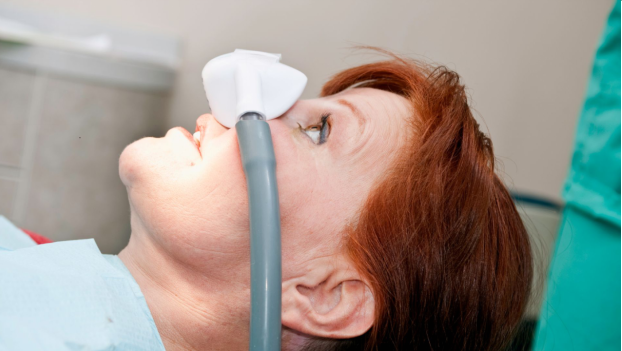
Happy gas, or nitrous oxide, is a popular choice for easing anxiety during dental procedures. It helps patients feel relaxed and comfortable while remaining fully conscious. Understanding how happy gas works and its benefits can significantly enhance the dental experience, making it an important topic for anyone facing dental treatment.
Contents
Key Takeaways
- Definition and Composition: Happy gas, or nitrous oxide (N₂O), is a colourless gas used in dentistry to reduce anxiety and pain, allowing patients to remain conscious and responsive during procedures.
- Mechanism of Action: Nitrous oxide works by altering the perception of pain and anxiety through interaction with brain receptors, promoting relaxation and euphoria.
- Applications in Dentistry: Commonly used for various dental treatments, including routine cleanings, fillings, tooth extractions, and paediatric dentistry, to make procedures more comfortable.
- Benefits: Happy gas effectively alleviates anxiety and manages pain, providing a quick onset of calming effects while ensuring communication between patients and dental professionals.
- Potential Side Effects: Short-term side effects may include nausea, dizziness, headaches, and fatigue, which are generally manageable under professional supervision.
- Long-Term Considerations: While limited long-term risks exist, patients should be aware of potential vitamin B12 deficiency and the implications of repeated use, especially during pregnancy.
What Is Happy Gas?
Happy gas, medically known as nitrous oxide, is a colourless gas with a slightly sweet taste and odour. This gas is commonly used in dental settings to reduce anxiety and improve patient comfort. Patients remain conscious and responsive, allowing for effective communication during the dental procedure.
Definition and Composition
Nitrous oxide, with the chemical formula N₂O, consists of two nitrogen atoms and one oxygen atom. This gas acts as a sedative and analgesic, producing feelings of relaxation and euphoria. It is delivered through a mask or nasal hood, where it mixes with oxygen before inhalation. The rapid onset of its effects, along with its quick recovery time, makes it particularly suitable for dental procedures.
Common Uses in Dentistry
Happy gas is primarily utilised in dental procedures for anxiety management and pain relief. Dentists administer it for a variety of treatments, including:
- Routine Cleanings: Helps patients who experience fear or discomfort during dental cleanings.
- Fillings: Reduces anxiety and pain during the filling of cavities.
- Tooth Extractions: Eases discomfort and anxiety during more invasive procedures.
- Pediatric Dentistry: Helps children remain calm and cooperative during treatments.
Its quick action and safe profile contribute to its popularity in dental practices.
How Does Happy Gas Work?
Nitrous oxide functions as a sedative and analgesic, providing patients with comfort during dental procedures. The gas is inhaled via a mask or nasal hood, allowing for rapid absorption into the bloodstream.
Mechanism of Action
Nitrous oxide alters the patient’s perception of pain and anxiety by interacting with specific brain receptors. It enhances the release of neurotransmitters that promote relaxation, inducing a state of euphoria. This impact enables patients to remain conscious and responsive while feeling calm. The gas’s rapid elimination from the body post-inhalation ensures quick recovery to normalcy, facilitating a smooth transition after treatment.
Effects on Patients
Patients experience a reduction in anxiety and discomfort while under nitrous oxide sedation. Commonly reported effects include sensations of warmth, light-headedness, and a disconnection from surroundings. These effects vary among individuals, with many feeling a sense of well-being and euphoria. Importantly, patients can communicate with the dental team, ensuring safety and control throughout the procedure.
Benefits of Using Happy Gas in Dental Procedures
Happy gas offers significant advantages in dental settings, enhancing patient experiences during treatments. Its primary benefits include anxiety reduction and effective pain management.
Anxiety Reduction
Happy gas effectively alleviates anxiety for patients undergoing dental procedures. Patients often feel more relaxed and less apprehensive, enabling them to tolerate treatments better. Nitrous oxide works quickly, allowing patients to experience its calming effects within minutes. Importantly, patients maintain consciousness and can communicate with dental professionals, ensuring they feel safe during procedures. The ability to adjust the levels of happy gas also provides control over sedation, tailoring the experience to individual patient needs.
Pain Management
In addition to reducing anxiety, happy gas assists in managing pain during dental treatments. Nitrous oxide modifies the patient’s perception of pain, making them less aware of discomfort associated with procedures. Its analgesic properties provide relief during common treatments, such as fillings and extractions. By decreasing the sensitivity to pain, happy gas allows dentists to perform necessary interventions with minimal distress to patients, fostering a more positive dental experience.
Potential Side Effects and Risks
Nitrous oxide, or happy gas, presents certain side effects and risks despite its benefits in dental procedures. Understanding these aspects prepares patients for a more informed experience.
Short-Term Effects
Short-term effects occur soon after administration and can range in intensity. Commonly reported effects include:
- Nausea:Some patients might experience mild to moderate nausea during or after the procedure.
- Dizziness:A feeling of light-headedness can lead to disorientation, especially during the recovery phase.
- Headache:Some individuals report headaches following nitrous oxide sedation, likely due to the changes in oxygen levels.
- Fatigue:Patients may feel unusually tired or sleepy once the sedation wears off.
- Euphoria:While often considered positive, the euphoric feeling can vary, with some feeling a sense of detachment.
Monitoring by dental professionals ensures prompt management of any adverse reactions during the procedure.
Long-Term Considerations
Long-term concerns associated with nitrous oxide are limited but warrant attention. Possible considerations include:
- Vitamin B12 Deficiency:Chronic exposure to nitrous oxide may lower vitamin B12 levels, potentially leading to neurological issues if not addressed.
- Repeated Use:Frequent use can raise the risk of tolerance, where higher doses might be required over time to achieve the same effect.
- Pregnancy Risks:Pregnant individuals may face increased risks, as nitrous oxide can affect the fetus. Consulting a healthcare provider is essential.
Evaluating potential side effects and risks with a qualified dental professional ensures patient safety and promotes a positive dental experience.
Conclusion
Happy gas plays a vital role in modern dentistry by promoting a more relaxed and comfortable experience for patients. Its ability to alleviate anxiety while providing pain relief makes it a valuable tool in various dental procedures. However it’s crucial for patients to be aware of the potential side effects and risks associated with its use.
Consulting with a qualified dental professional ensures that individuals receive appropriate guidance tailored to their specific needs. By prioritising patient safety and comfort, happy gas can significantly enhance the overall dental experience, making visits less daunting and more manageable.
