

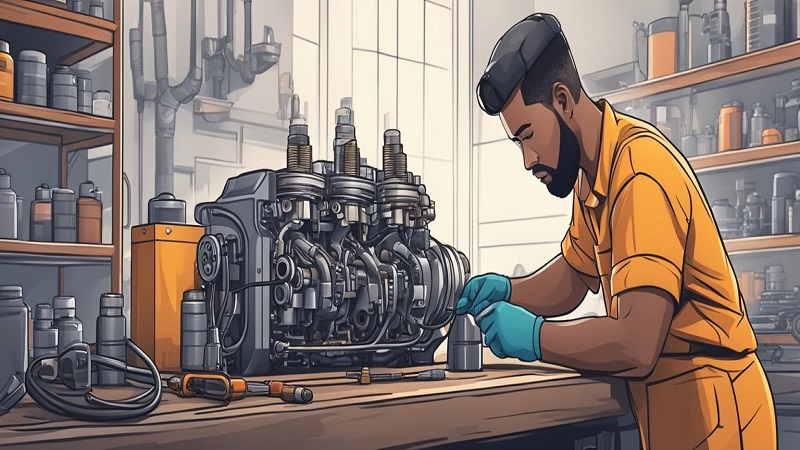
Diesel engines power many vehicles and heavy equipment worldwide. These robust powerplants require regular maintenance to operate at peak efficiency. A diesel engine tune-up involves a series of checks and adjustments to optimize performance, reliability, and fuel economy.
A comprehensive tune-up typically includes inspecting and replacing fuel filters, air filters, and other vital components. Technicians also examine the fuel injection system, adjust valve clearances, and test compression to ensure the engine runs smoothly. These procedures help maintain the engine’s power output while reducing emissions and fuel consumption.
Regular tune-ups extend the lifespan of diesel engines and prevent costly breakdowns. By addressing minor issues before they escalate, vehicle owners can avoid major repairs and keep their engines running strong for years to come. Proper maintenance also ensures compliance with emissions regulations and helps preserve the environment.
Understanding Diesel Engine Tune-Up
Diesel engine tune-ups are essential maintenance procedures that optimize performance, fuel efficiency, and longevity. These tune-ups involve inspecting, adjusting, and replacing key components to ensure the engine operates at peak condition.
Fundamentals of Diesel Tuning
Diesel tuning focuses on enhancing engine performance, power output, and fuel economy. The process involves adjusting various components and parameters to achieve optimal combustion and efficiency.
Tuning often includes ECU remapping to modify fuel injection timing, duration, and pressure. This can result in increased torque and improved throttle response. Air intake modifications and exhaust system upgrades are common performance enhancements.
Proper tuning requires specialized knowledge and equipment. Professional technicians use diagnostic tools to analyze engine data and make precise adjustments. Regular tune-ups help maintain consistent performance and prevent premature wear.
Key Components of Diesel Engines
Diesel engines comprise several critical components that require attention during tune-ups. The fuel injection system is central to engine operation, delivering precise amounts of fuel to each cylinder.
Air filters play a crucial role in protecting the engine from contaminants. Clean filters ensure proper airflow and combustion efficiency. The cylinder head houses valves and injectors, which must be properly adjusted for optimal performance.
Other important parts include:
- Fuel injectors
- Turbocharger
- Exhaust system
- DPF (Diesel Particulate Filter)
- Governor (mechanical or hydraulic)
Regular inspection and maintenance of these components are vital for engine longevity and performance.
Tune-Up Procedures
Diesel engine tune-ups involve a series of specific procedures to ensure all systems are functioning correctly. Technicians typically follow the manufacturer’s service manual for precise instructions.
Key tune-up steps include:
- Inspecting and replacing air filters
- Checking and adjusting valve clearances
- Testing and cleaning fuel injectors
- Verifying injection timing
- Examining the exhaust system and DPF
Technicians also check the firing order sequence and adjust injector rack control levers if necessary. They may inspect push rods, exhaust valve bridges, and other mechanical components for wear or damage.
Proper tool usage is crucial for accurate adjustments. Specialized equipment like feeler gauges and torque wrenches ensure precise measurements and tightening of components.
Optimizing Performance and Safety
Diesel engine tune-ups can significantly enhance performance, safety, and reliability when done properly. Professional tuning maximizes efficiency while maintaining engine longevity.
Advancements in Diesel Tuning
Modern diesel tuning utilizes sophisticated computer software to optimize engine parameters. Custom tuning adjusts fuel injection timing, pressure, and duration for improved power and torque. Variable speed mechanical governors allow precise control over engine RPM.
Professional tuners can modify engine control units (ECUs) to increase horsepower and torque while monitoring critical engine data. Advanced tuning techniques optimize air-fuel ratios across the power band.
Supplementary governing devices offer additional control over engine speed and load. These systems integrate with factory ECUs to enhance overall performance and drivability.
Maintaining Engine Health
Regular tune-ups are crucial for preserving diesel engine health and longevity. Proper valve clearance adjustments ensure optimal combustion and prevent valve damage.
Following manufacturer service schedules helps identify potential issues before they become major problems. Routine oil changes, fuel filter replacements, and injector cleanings maintain efficiency and reliability.
Monitoring exhaust smoke color can indicate engine health. Black smoke may signal over-fueling, while blue smoke could indicate oil consumption issues.
Considerations for Successful Tune-Ups
Choosing an experienced tuner with diesel-specific expertise is essential for safety and performance. Professional tuners have access to specialized diagnostic tools and up-to-date manufacturer data.
Balancing performance gains with engine durability is crucial. Excessive tuning can strain components and potentially void warranties.
Setting realistic goals based on the vehicle’s intended use helps achieve optimal results. Daily drivers may prioritize fuel efficiency, while performance enthusiasts might focus on power gains.
Budget considerations should account for potential upgrades to supporting systems like cooling and exhaust. Investing in quality parts ensures reliable performance gains.
