

Contents
- 1 Crafting the Perfect Medical Website: Essential Elements for Success
- 1.1 First Impressions Matter: Visual Appeal and Layout
- 1.2 User-Centered Navigation
- 1.3 Mobile Responsiveness
- 1.4 Clear and Concise Information
- 1.5 Patient Resources and Education
- 1.6 Online Appointment Scheduling
- 1.7 Trust and Credibility
- 1.8 Security and Privacy
- 1.9 Fast Load Times
- 1.10 Accessibility
- 1.11 SEO and Local Search Optimization
- 1.12 Regular Updates and Maintenance
- 1.13 Engaging Call-to-Action (CTA)
- 1.14 Testimonials and Reviews
- 1.15 Social Media Integration
Crafting the Perfect Medical Website: Essential Elements for Success
In the realm of digital healthcare, having an effective medical website is paramount. It’s not just a virtual business card; it’s a critical interface between healthcare providers and patients. Every detail, from the layout to the functionality, must be meticulously designed to ensure it serves its purpose effectively. Here, we’ll explore the key components that make a medical website design truly stand out, focusing on elements that enhance usability, trust, and overall user experience.
Learn more about optimizing your medical website design to enhance patient engagement and visibility.
First Impressions Matter: Visual Appeal and Layout
The visual appeal of a medical website is the first thing visitors notice. A clean, professional, and inviting design sets the tone for the user experience. Use of calming colors, ample white space, and intuitive navigation can make a huge difference. Avoid clutter and overly complex graphics; simplicity is key. The layout should guide the user effortlessly, providing a sense of ease and comfort.
Think of the homepage as the digital equivalent of a warm welcome. It should clearly display essential information such as services offered, contact details, and navigation to other parts of the site. High-quality images of the medical facility and staff can add a personal touch, making the site feel more human and less sterile.
Read More: Austin Web Design
A well-designed medical website must be easy to navigate. Users should be able to find the information they need with minimal effort. This involves having a logical menu structure, clear labels, and a search function. Dropdown menus should be avoided or kept to a minimum to prevent overwhelming users. Consistent navigation across all pages ensures a seamless experience.
Including a site map at the bottom of the page can also be beneficial, offering a quick overview of the site’s structure. Breadcrumbs, which show users their current location within the site, can help them backtrack easily without getting lost.
Mobile Responsiveness
In today’s mobile-centric world, ensuring that your medical website design is mobile-friendly is non-negotiable. Many patients will access the site from their smartphones or tablets, so the design must be responsive, adapting seamlessly to various screen sizes. This includes ensuring that text is legible without zooming, buttons are easily clickable, and navigation remains intuitive on smaller screens.
A responsive design not only enhances user experience but also boosts your site’s search engine ranking. Search engines prioritize mobile-friendly sites, making it easier for potential patients to find your practice online.
Clear and Concise Information
Medical websites are often visited by individuals seeking specific information, whether it’s about a condition, treatment options, or contact details. Providing clear, concise, and accurate information is essential. Avoid medical jargon where possible; instead, use language that is easily understandable by the average person.
Organize content into well-defined sections and use bullet points or numbered lists to break down complex information. This makes it easier for users to scan the page and find what they’re looking for. Important details such as office hours, location, and emergency contact information should be prominently displayed and easy to access.
Patient Resources and Education
An effective medical website goes beyond basic information by offering valuable resources and educational content. This could include blog posts, articles, videos, and downloadable guides on various health topics. Providing such content not only helps educate patients but also positions the practice as a knowledgeable and trustworthy source of information.
Interactive tools like symptom checkers, health calculators, and risk assessments can also enhance the site’s value. These tools engage users and provide personalized insights, making the site more interactive and useful.
Online Appointment Scheduling
Convenience is a major factor for patients when choosing healthcare providers. Offering online appointment scheduling can significantly improve user experience. This feature allows patients to book appointments at their convenience without the need for phone calls or waiting on hold. Ensure that the scheduling system is straightforward, secure, and integrated with the practice’s management software to avoid double bookings or scheduling conflicts.
Patient Portals
Integrating a patient portal into the medical website can provide numerous benefits. A patient portal allows patients to access their health records, lab results, and treatment plans securely. They can also communicate with their healthcare provider, request prescription refills, and manage appointments through the portal.
Ensuring that the patient portal is user-friendly and secure is crucial. Clear instructions on how to register and navigate the portal can help patients make the most of this feature.
Trust and Credibility
Trust is a critical component of any medical website. Displaying certifications, affiliations with recognized medical institutions, and patient testimonials can help build credibility. Including profiles and bios of the healthcare providers, along with their qualifications and specialties, adds a personal touch and reassures patients of their expertise.
Security and Privacy
Given the sensitive nature of medical information, security and privacy are paramount. Ensure that the website complies with all relevant regulations, such as the Health Insurance Portability and Accountability Act (HIPAA). Use secure sockets layer (SSL) certificates to encrypt data transmitted through the site, and clearly outline the privacy policy to inform users how their information will be protected and used.
Regularly updating the site’s security measures and conducting vulnerability assessments can help protect against data breaches and cyber threats. Educating staff about online security best practices is also essential.
Fast Load Times
In a fast-paced world, users expect websites to load quickly. Slow load times can lead to frustration and higher bounce rates. Optimize images, use efficient coding practices, and leverage content delivery networks (CDNs) to ensure the site loads swiftly. Regularly testing the site’s performance and addressing any issues promptly can help maintain optimal load times.
Accessibility
Accessibility is a crucial aspect of web design, especially for medical websites. Ensuring that the site is accessible to all users, including those with disabilities, is not only a legal requirement but also a moral imperative. This involves using proper headings, providing alt text for images, and ensuring that the site is navigable using keyboard shortcuts. Tools like screen readers should be able to interpret the site’s content accurately.
Including an accessibility statement on the site can also reassure users that their needs have been considered. Offering options to adjust text size, contrast, and other display settings can enhance usability for individuals with visual impairments.
SEO and Local Search Optimization
Search engine optimization (SEO) is vital for making sure your medical website is easily found by potential patients. Use relevant keywords naturally throughout the site, particularly in headings, meta descriptions, and alt texts for images. Local SEO is especially important for medical practices, as most patients will be searching for providers in their area. Ensure that the site includes your location and is registered with Google My Business to improve visibility in local search results.
Integrating reviews and ratings from patients can also enhance local SEO efforts. Encourage satisfied patients to leave positive reviews on platforms like Google, Yelp, and Healthgrades. Responding to reviews, both positive and negative, demonstrates that the practice values patient feedback and is committed to improving services.
Regular Updates and Maintenance
A medical website is not a one-time project but an ongoing commitment. Regular updates and maintenance are crucial to ensure the site remains functional, secure, and relevant. This includes updating content, fixing broken links, and ensuring all features work correctly.
Staying updated with the latest web design trends and technological advancements can also help keep the site fresh and engaging. Regularly reviewing and analyzing site analytics can provide insights into user behavior and help identify areas for improvement.
Engaging Call-to-Action (CTA)
An effective medical website must guide users toward taking specific actions, such as scheduling an appointment or signing up for a newsletter. Clear and compelling call-to-action (CTA) buttons can significantly enhance user engagement. Use action-oriented language and place CTAs strategically throughout the site. Ensure they stand out visually without being too aggressive or intrusive.
Testimonials and Reviews
Patient testimonials and reviews play a significant role in building trust and credibility. Featuring real stories from satisfied patients can provide social proof and reassure potential patients about the quality of care they can expect. Ensure that testimonials are genuine and regularly updated to reflect current patient experiences.
Incorporating video testimonials can add a personal touch and make the stories more relatable. Ensure that patient privacy is maintained by obtaining consent before sharing any testimonials or reviews.
Social Media Integration
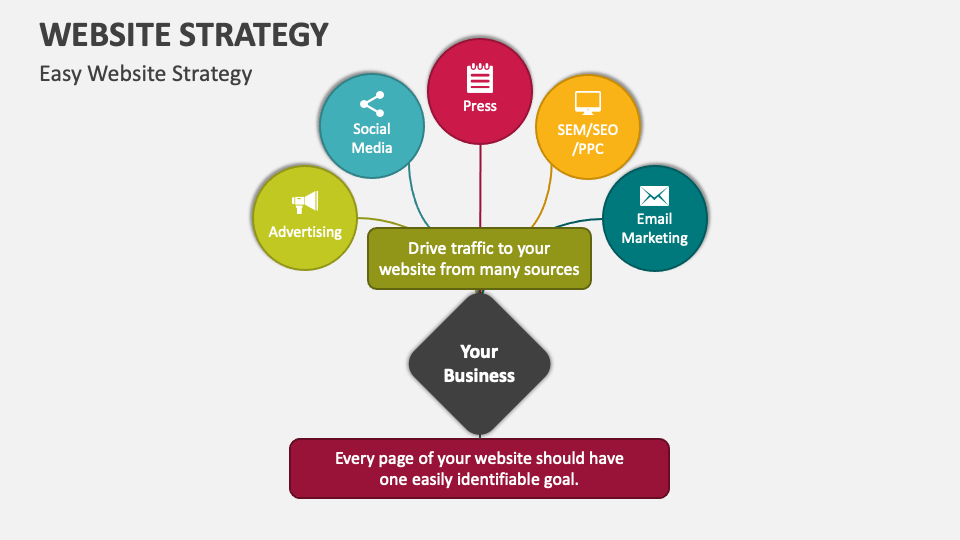
Social media integration can enhance a medical website by providing additional channels for patient engagement and information dissemination. Linking to social media profiles and encouraging users to follow the practice on platforms like Facebook, Twitter, and Instagram can help build a community around the practice. Sharing updates, health tips, and patient stories on social media can drive traffic back to the website and foster a sense of connection and trust.
In conclusion, an effective medical website design involves a harmonious blend of aesthetics, functionality, and user experience. By focusing on these key components, healthcare providers can create a digital presence that not only attracts and retains patients but also reinforces the trust and credibility essential in the healthcare industry.
