

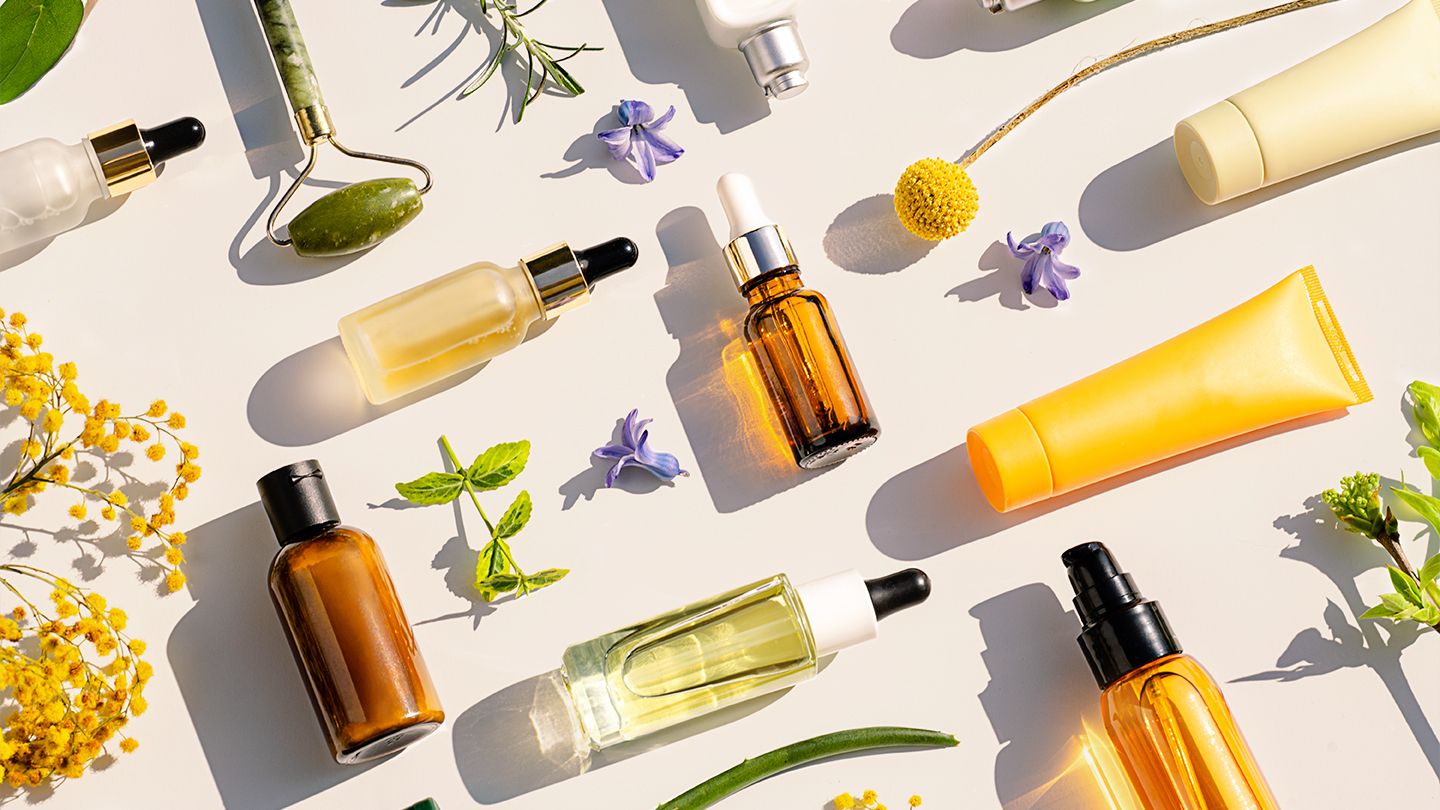
The skincare and wellness industry is broadly shifting from synthetic products to natural and sustainable beauty products. These formulations leverage the unique properties of plant-derived ingredients, which are rich in vitamins, antioxidants, and bioactive compounds that promote skin health. You can learn more about the uses of plant-based topicals on skincare from HeadPlant.
Extracts from various parts of different plants including fruits, herbs, and flowers offer distinct benefits such as hydration, anti-aging effects, and protection against environmental stressors. Plant-based topical manufacturers extract these properties and use them depending on which product they’re making. In this article, we’re going to look at the science behind these plant-based topicals on skincare and wellness.
Contents
The Science of Plant-Derived Ingredients
When making plant based skin products, manufacturers use bioactive compounds found on plants. These compounds occur naturally in plants and have the power to influence biological processes. They mostly include:
- Antioxidants, such as vitamins and flavonoids
- Anti-inflammatory agents
- Antimicrobial substances
They promote skin health by enhancing barrier function, improving hydration, and providing protection against UV radiation. Their anti-inflammatory properties promote wound healing, reducing the risk of skin disorders.
Most plant-derived ingredients have a natural affinity with human biology, making them highly compatible with different skin types, unlike synthetic products. This compatibility results in better absorption and lower irritation rates. That’s unlike synthetic ingredients which can sometimes provoke adverse reactions due to their foreign nature to human biochemistry.
Benefits of Plant-Based Topicals
Plant-based topicals harness the power of botanical ingredients to promote skin health and address various skin concerns. They offer a range of benefits that include:
Nutritional Value
Plant-based topicals are rich in essential nutrients that significantly contribute to skin health. Key nutritional values of these botanical ingredients include:
1. Vitamins
Plant-based skincare products are equipped with vitamins A, C, and E.
- Vitamin A promotes skin cell turnover and repair, ensuring the skin remains healthy and with minimal signs of aging.
- Vitamin C is a powerful antioxidant that protects the skin against UV damage, promotes collagen synthesis, and brightens the skin.
- Vitamin E acts as an antioxidant, providing moisture and protection against oxidative stress, which is vital for maintaining skin integrity.
2. Antioxidants
The antioxidants found in plant extracts, such as contain, polyphenols and carotenoids help neutralize free radicals. This reduces oxidative stress that can lead to premature aging and other skin issues.
3. Phytonutrients
Plants are also rich in phytonutrients, which offer anti-inflammatory and antimicrobial properties. They are used in skincare products to support skin health by soothing irritation, enhancing the skin barrier, and providing protection against environmental stressors.
Therapeutic Properties
Manufacturers of skincare products opt to use plant-based topicals over synthetic ingredients as they contain therapeutic properties that contribute to the skin’s health and healing. These properties include:
1. Anti-Inflammatory Effects
Compounds from certain plants contain anti-inflammatory properties which can help alleviate skin conditions such as eczema, psoriasis, and acne. A good example is curcumin from turmeric, which reduces inflammation by inhibiting pro-inflammatory enzymes and cytokines, thereby calming irritated skin and promoting healing.
2. Antibacterial Properties
Plant-based topicals often contain natural antibacterial agents that combat pathogens on the skin. When used in skincare products, ingredients from these plants inhibit bacterial growth, making them effective in treating acne and preventing infections in wounds.
3. Moisturizing and Nourishing
Other botanical ingredients used in skincare and wellness provide moisturizing benefits by enhancing skin hydration and reinforcing the skin barrier. These include ingredients such as aloe vera and hyaluronic acid which help retain moisture, thus improving skin texture and elasticity.
Safety and Gentleness
Unlike synthetic products, plant-based topicals generally have a lower risk of irritation compared. Their natural composition aligns more closely with human biology, enhancing compatibility with sensitive skin types. This gentleness makes them suitable for individuals prone to allergies or irritation, providing effective care without harsh side effects.
Sustainability and Ethical Considerations
Consumers are increasingly becoming environmentally and socially responsible, making them more likely to use sustainability and ethical conscious products. Manufacturers are taking this into consideration, making them observe environmental impact and ethical sourcing of their ingredients.
Environmental Impact
By using ingredients that come from sustainable sources and producing their products sustainably, plant-based topical manufacturers are able to meet the following environmental benefits:
- Reduce Carbon Footprint: Sourcing ingredients from local or organic farms minimizes transportation emissions and promotes lower carbon footprints. That’s unlike buying ingredients from farms that use conventional agricultural practices, which often rely on synthetic fertilizers and pesticides that contribute to greenhouse gas emissions.
- Biodiversity Conservation: Sustainable farming practices, such as regenerative agriculture, help maintain biodiversity by promoting crop rotation and the use of native plants. This approach protects ecosystems and enhances soil health and resilience against climate change.
- Water Conservation: Sustainable production methods typically employ techniques that reduce water usage, helping to conserve this vital resource. Manufacturers focus on sourcing their products from farms that use sustainable practices like rainwater harvesting and drip irrigation.
Ethical Sourcing
Manufacturers of plant-derived beauty products source their materials from ethical sources, ensuring that their products are produced in a socially responsible manner. They ensure this through:
- Fair Trade Practices: Supporting fair trade initiatives ensures that farmers receive fair compensation for their labor, which helps improve their livelihoods and communities. This practice also encourages sustainable farming methods that protect the environment.
- Organic Certifications: Products with organic certifications guarantee that they are grown without harmful chemicals and synthetic fertilizers. This benefits consumer health and promotes ecological balance by reducing pollution and supporting soil health.
- Transparency in Supply Chains: Consumers increasingly demand transparency regarding the origins of their products. Reputable brands are prioritizing ethical sourcing practices to build trust with their customers. They achieve this by providing clear information about how ingredients are sourced and produced.
Key Takeaways
The exploration of plant-based topicals reveals a wealth of benefits rooted in the science of bioactive compounds derived from nature. As we’ve seen, these ingredients offer essential nutrients that nourish and rejuvenate the skin and possess therapeutic properties that can effectively address various skin conditions.
Their natural compatibility with human biology often results in fewer adverse reactions, making them a safer choice for individuals with sensitive skin. Moreover, manufacturers in the skincare industry are exercising responsible practices, such as environmentally friendly methods and fair trade principles, practices that ensure that the benefits of plant-based topicals extend beyond individual health to encompass global well-being.
