

Key Takeaways:
- IEP goals are tailored to meet the unique needs of each child.
- These goals provide a roadmap for educational progress.
- Regular monitoring of IEP goals is essential for assessing progress.
- Collaboration between parents, teachers, and specialists is crucial.
Table of Contents:
- Introduction
- What Are IEP Goals?
- Why IEP Goals Are Important
- Types of IEP Goals
- How IEP Goals Are Set
- Monitoring and Evaluating Progress
- Collaborative Efforts
- Conclusion
Contents
Introduction
Individualized Education Program (IEP) goals are a cornerstone of special education, designed to cater to each child’s unique needs. These goals ensure the child receives personalized support, driving their educational progress. This article will explore the essence of IEP goals, their importance, and how they are set, monitored, and evaluated.
What Are IEP Goals?
IEP goals are specific, measurable objectives outlined in a student’s Individualized Education Program. These goals are tailored to the student’s needs and abilities, aiming to provide a structured path for their academic, social, and behavioral development. These goals aim to ensure that the child is making meaningful educational progress.
IEP goals are created by a team of educators, specialists, and parents, using special education services to ensure comprehensive support. These goals include academic skills, social interactions, communication abilities, and physical development.
Why IEP Goals Are Important
IEP goals are fundamental because they provide a clear roadmap for the student’s educational journey. These goals are necessary to progress, and identifying areas that need additional support would be challenging. IEP goals offer a structured approach to education, ensuring that the child’s unique needs are met.
Furthermore, IEP goals help set realistic expectations and benchmarks for the student. Breaking down larger objectives into smaller, manageable steps makes the learning process more accessible and achievable for the child.
Types of IEP Goals
IEP goals can be categorized into various types, each focusing on different aspects of the child’s development:
- Academic Goals: These goals focus on specific academic skills, such as reading, writing, math, and science. They aim to help the child improve their understanding and performance in these subjects.
- Social Goals: Social goals target the child’s ability to interact with peers and adults. They include objectives related to making friends, joining group activities, and practicing social etiquette.
- Communication Goals: Communication goals are designed for children who need verbal and non-verbal communication assistance. These goals involve improving speech clarity, expanding vocabulary, or using communication devices effectively.
- Behavioral Goals: Behavioral goals address specific behaviors that impact the child’s learning experience. They include objectives for following school rules, managing emotions, or reducing disruptive behaviors.
- Physical Goals: Physical goals focus on the child’s gross and fine motor skills, and they involve improving coordination, strength, or agility.
How IEP Goals Are Set
Setting IEP goals is a collaborative process involving educators, specialists, and parents. It begins with a comprehensive evaluation of the child’s strengths and needs. Based on this assessment, the team identifies specific areas where the child requires support and development.
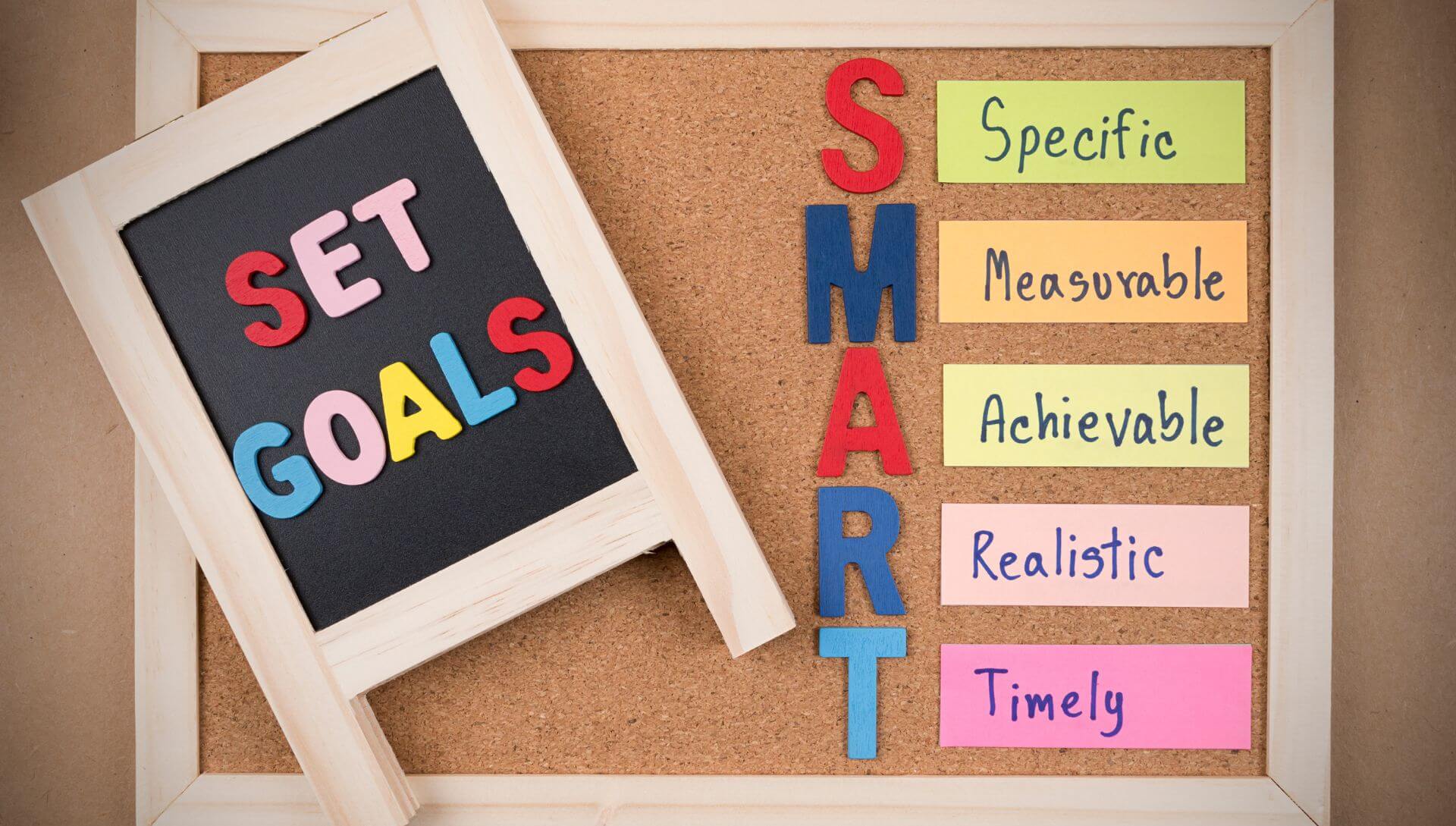
Once the focus areas are determined, the team sets measurable and achievable goals. These goals should be specific, clearly defined, and time-bound, allowing for accurate tracking of the child’s progress. The goals must also be realistic, considering the child’s current abilities and potential for growth.
When setting goals, the IEP team also considers the child’s interests and preferences. Incorporating the child’s interests can make the learning process more engaging and motivating for them.
Monitoring and Evaluating Progress
Regular monitoring and evaluation of IEP goals are crucial to ensure that the child is making progress. The IEP team schedules periodic reviews to assess the child’s development and make necessary adjustments to the goals. These reviews involve gathering data on the child’s performance, analyzing their progress, and determining if any changes are needed.
Parents play a significant role in this process, providing valuable feedback on their child’s progress at home. Their observations offer insights that complement the information gathered by educators and specialists.
If the child is not meeting the set goals, the team may re-evaluate the strategies and interventions in place. Adjusting the approach can help address any challenges the child is facing and ensure that they continue to make progress.
Collaborative Efforts
Collaboration between parents, teachers, and specialists is critical to achieving IEP goals. Open communication and shared responsibility ensure that everyone involved is working towards the same objectives. Regular meetings, updates, and discussions help keep the entire team informed and aligned.
Parents should feel empowered to ask questions, provide input, and express concerns. Educators and specialists, in turn, should be open to feedback and willing to adapt their strategies to meet the child’s needs.
By working together, the IEP team can create a supportive and effective learning environment for the child. This collaborative approach fosters a sense of community and shared commitment to the child’s success.
Conclusion
Understanding IEP goals is essential for parents, educators, and specialists working with special needs children. These goals provide a structured path for the child’s educational journey, ensuring their unique needs are met. The IEP team can support the child’s development and help them achieve their full potential by setting specific, measurable objectives, regularly monitoring progress, and maintaining open communication.
