

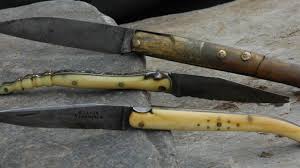
Few items inspire the spirit of tradition and artistry in culinary craftsmanship, quite like Laguiole knives. Originating from the picturesque Aubrac region of France, these knives are not merely utensils but symbols of centuries-old artisanal excellence. With their distinctive bee emblem, elegant handles, and impeccable craftsmanship, Laguiole knives have carved out a niche in both culinary and cultural landscapes worldwide. In order to understand why Laguiole knives are still a classic option for every occasion, this essay explores the rich history, distinctive qualities, and ongoing appeal of these knives.
A Heritage Of Craftsmanship
The history of Laguiole knives began in the early 1800s when talented blacksmiths in the little French community of Laguiole started making these beautiful blades. What sets Laguiole knives apart is not just their functionality but the meticulous attention to detail and craftsmanship that goes into their creation. Traditionally, these knives feature blades made from high-quality stainless steel or Damascus steel, renowned for their durability and sharpness.
One of the defining features of Laguiole knives is their handles, often crafted from materials like wood, bone, or horn. Each handle is carefully shaped and polished to perfection, ensuring a comfortable grip and enhancing the knife’s overall aesthetic appeal. Many modern interpretations also incorporate contemporary materials while staying true to the traditional design elements that have made Laguiole knives iconic.
The Iconic Bee Symbolism
Central to the Laguiole knife’s design is the iconic bee or “abeille” that adorns the spine of the blade. This distinctive symbol is believed to have its roots in Napoleonic times when the emperor bestowed the village of Laguiole with the honor of incorporating the imperial symbol—a bee—into their knives as a mark of recognition for their exceptional craftsmanship.
The bee emblem is not merely decorative but serves a functional purpose as well. In traditional Laguiole knives, it acts as a locking mechanism for the blade, adding both practicality and charm to the knife’s design. Today, the bee symbol remains a hallmark of authenticity and quality, distinguishing genuine Laguiole knives from imitations.
Varieties And Specializations
Laguiole knives come in various shapes and sizes, each tailored to different culinary tasks and personal preferences. The most common styles include:
Folding Pocket Knives:
Ideal for everyday carry, these compact knives feature a foldable blade that makes them convenient for a wide range of tasks, from slicing fruits to opening packages.
Table Knives:
Designed for dining, Laguiole table knives are renowned for their elegance and functionality. They often feature longer blades and ornate handles, making them perfect for slicing through meats and other foods with precision.
Specialty Knives:
Beyond everyday use, Laguiole knives include specialized designs such as cheese knives, steak knives, and sommelier knives. Each variation upholds the brand’s commitment to quality and craftsmanship, catering to specific culinary needs and occasions.
Crafting Process And Artistry
A Laguiole knife’s construction is an example of traditional workmanship and meticulous attention to detail. While modern manufacturing techniques have evolved, many artisans still adhere to time-honored methods to ensure the knives’ authenticity and quality.
Blade Forging:
The process typically begins with forging the blade from high-grade stainless steel or Damascus steel. This step involves heating and hammering the steel to shape it into a precise blade form.
Handle Crafting:
The handles of Laguiole knives are crafted with equal care and precision. Artisans meticulously shape the handles from natural materials such as wood, bone, or horn, often integrating decorative elements like intricate patterns or inlays.
Assembly And Finishing:
When the parts for the blade and handle are prepared, they are painstakingly put together by hand. This step includes fitting the blade into the handle, ensuring proper alignment, and refining the knife’s final appearance through polishing and buffing.
Quality Control:
Before leaving the workshop, each Laguiole knife undergoes rigorous quality control measures to ensure it meets the brand’s exacting standards. This includes testing for sharpness, handle durability, and overall craftsmanship.
Cultural Significance And Global Appeal
Beyond their utility in the kitchen or at the dining table, Laguiole knives hold significant cultural and symbolic value. They embody the spirit of French craftsmanship and tradition, reflecting the artisanal skills passed down through generations in the Aubrac region and beyond.
In recent decades, Laguiole knives have garnered a global following, becoming synonymous with luxury, elegance, and fine dining. Whether as cherished heirlooms passed down through families or as prestigious gifts for special occasions, these knives evoke a sense of appreciation for both culinary arts and cultural heritage.
Choosing The Right Laguiole Knife
Selecting a Laguiole knife involves considering both its intended use and personal preferences. Here are a few factors to keep in mind:
Blade Type:
Pick between the striking patterns of Damascus steel, which is recognized for its strength and unique style, and a traditional stainless steel blade.
Handle Material:
Choose from a variety of handle materials such as wood, bone, or horn, each offering different textures and visual appeal.
Purpose:
Consider whether you need a pocket knife for everyday carry, a set of table knives for dining, or a specialized knife for specific culinary tasks like cheese or steak cutting.
Authenticity:
When purchasing a Laguiole knife, ensure its authenticity by looking for the distinctive bee emblem and verifying its craftsmanship and origin.
Maintaining Your Laguiole Knife
To prolong the lifespan and beauty of your Laguiole knife, follow these care tips:
Cleaning:
Hand wash your knife with mild soap and warm water immediately after use. Avoid soaking the knife or placing it in the dishwasher, as this can damage the handle material and blade.
Drying And Storage:
Dry the knife completely with a soft cloth and store it somewhere dry and well-ventilated. Consider using a knife block or sheath to protect the blade and prevent accidents.
Sharpening:
Regularly hone the blade using a sharpening steel or stone to maintain its sharpness. Professional sharpening services are also available for more intensive blade maintenance.
Conclusion: Embracing Tradition And Quality
In conclusion, Laguiole knives represent more than just culinary tools; they embody a legacy of craftsmanship, tradition, and cultural pride. From their humble origins in rural France to their global recognition today, Laguiole knives continue to captivate enthusiasts and professionals alike with their timeless elegance and exceptional performance.
Laguiole knives showcase the classic appeal of fine artisanal craftsmanship and the art of fine dining. They can be utilized for everyday meals, special occasions, or as valuable additions to collections. As you explore the world of Laguiole knives, you embark on a journey through history, tradition, and the pursuit of culinary excellence—one slice at a time.
