

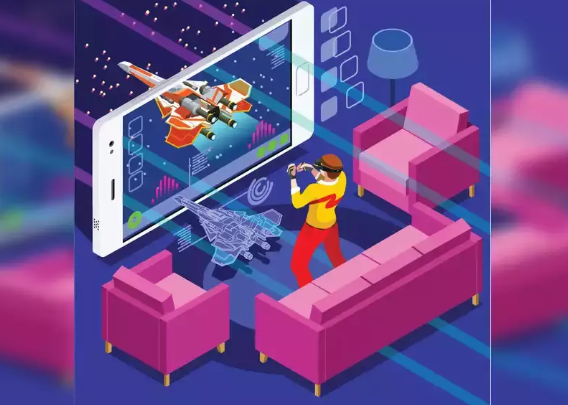
Online gaming has become an integral part of contemporary entertainment, reshaping how people play, socialize, and engage with technology. Its rise reflects broader trends in digital innovation and cultural shifts, making it a fascinating area of study and participation.
A Brief History of Online Gaming
The journey of online gaming began with basic text-based games and early graphical adventures in the 1970s and 1980s. The introduction of the internet provided a significant boost, allowing for multiplayer experiences that were previously impossible. By the late 1990s, games like “StarCraft” and “Ultima Online” had established a strong foundation for multiplayer gaming, offering rich, interactive experiences that drew players into complex virtual worlds.
Diversity in Gaming Genres
Today, online gaming spans a vast array of genres, catering to all tastes and preferences. From action-packed first-person shooters like “Call of Duty” to strategy games like “Age of Empires,” and from immersive RPGs like “The Elder Scrolls Online” to casual mobile games like “Candy Crush,” there is something for everyone. This diversity has been crucial in expanding the gaming audience, making it a truly global phenomenon.
Social Connections and Community Building
Online gaming is not just about the games themselves; it’s about the connections formed through play. Gamers often join communities, participate in forums, and engage in social media discussions, building networks that go beyond the games. These communities can be sources of support, friendship, and collaboration, offering players a sense of belonging and shared experience. Multiplayer games also foster teamwork and communication skills, as players must work together to achieve common goals.
The Spectacle of Esports
Esports has transformed gaming into a spectator sport, with professional leagues, tournaments, and live-streaming platforms attracting millions of viewers worldwide. Games like “Fortnite,” “Overwatch,” and “Counter-Strike” have dedicated esports scenes, where skilled players compete for fame and substantial prize money. This has led to the rise of gaming celebrities and influencers, further blurring the lines between traditional sports and gaming.
Technological Advancements and Accessibility
The technological advancements driving online gaming are impressive. High-speed internet, advanced graphics, and powerful consoles and PCs have made it possible to create stunningly realistic and immersive games. The rise of mobile gaming has also democratized access, allowing people to play games on the go. Meanwhile, emerging technologies like VR and AR promise to take immersion to new levels, offering experiences that blend the digital and physical worlds.
Economic and Cultural Impact
The economic impact of online slot gacor is substantial, with the industry generating billions in revenue annually. This includes not just game sales, but also in-game purchases, merchandise, and sponsorship deals. Online gaming has also influenced culture, from fashion and music to film and literature, as game aesthetics and narratives spill over into other media.
Addressing Challenges and Ethical Issues
As with any rapidly growing industry, online gaming faces challenges. Issues such as addiction, cyberbullying, and the ethical implications of monetization strategies like loot boxes and microtransactions are areas of concern. The industry, along with regulators and communities, must work together to promote responsible gaming practices and protect players, especially younger ones.
Future Directions in Online Gaming
The future of online gaming looks promising, with continuous innovation expected. AI and machine learning are likely to enhance game design and player engagement, offering more personalized and adaptive experiences. The concept of the metaverse, a collective virtual shared space, could revolutionize online interactions, merging gaming, social media, and commerce into a seamless digital ecosystem.
Conclusion
Online gaming is a dynamic and transformative force in the modern world. It offers not only entertainment but also opportunities for social connection, creativity, and economic growth. As the industry continues to evolve, it will play an increasingly important role in shaping the digital and cultural landscape, influencing how we connect, create, and enjoy ourselves in the virtual and real worlds.
