

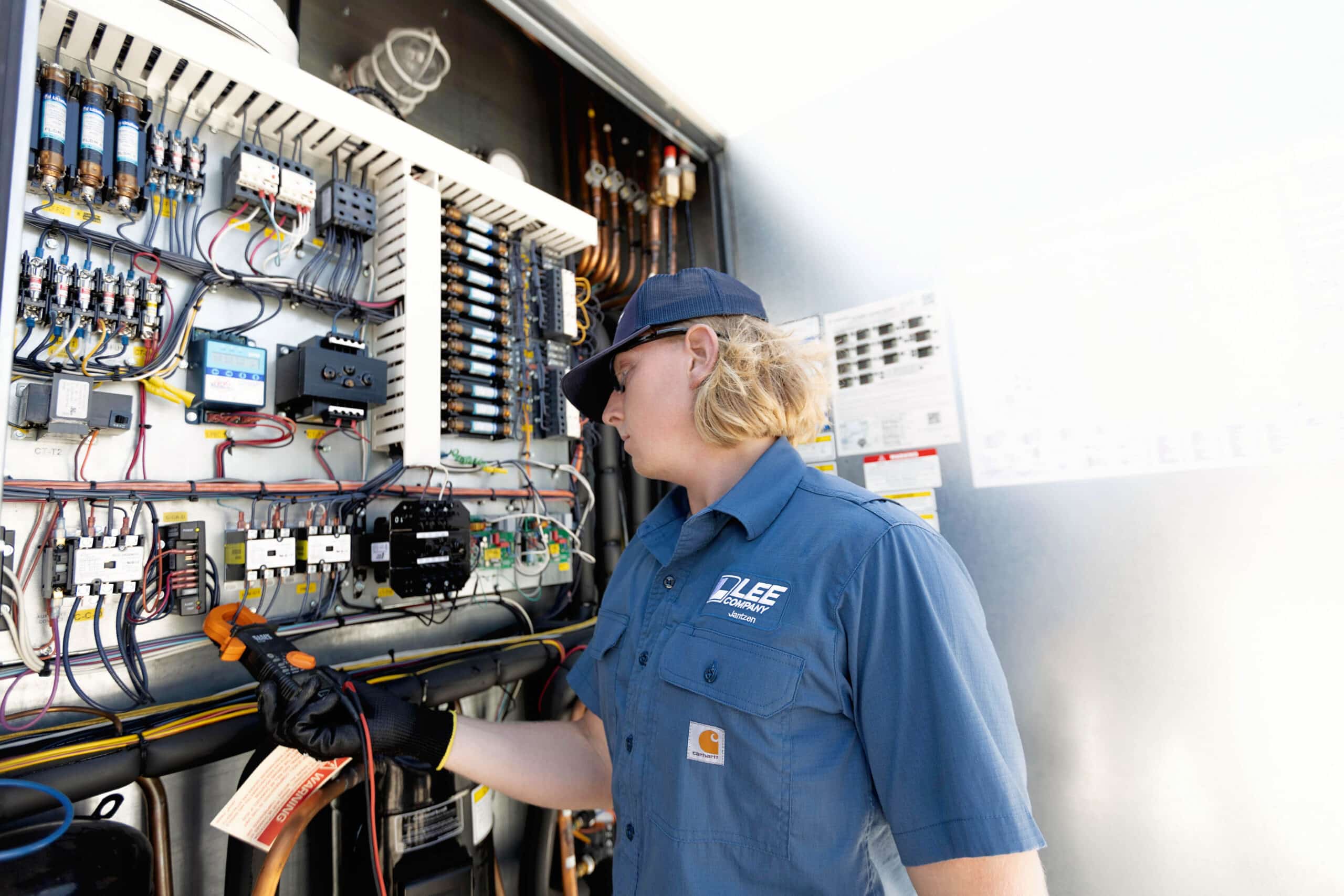
In today’s world, where technology permeates almost every aspect of our lives, it is not surprising that it plays a significant role in enhancing electrical safety. The increasing complexity of electrical systems and the rise of energy demands necessitate a robust approach to safety, especially in industrial and commercial settings. As we explore the role of technology in electrical safety, we will cover advancements in equipment, training, monitoring systems, and predictive analytics, illustrating how these innovations contribute to a safer work environment.
Contents
Advancements in Protective Equipment
The first line of defense against electrical hazards is personal protective equipment (PPE). Over the years, technological advancements have led to the development of more effective and reliable PPE designed to protect workers from electrical hazards. For instance:
- Arc-Rated Clothing: Specialized clothing that can withstand the intense heat and energy produced during an arc flash incident has been developed. This clothing is tested to specific standards, ensuring that it provides adequate protection to workers.
- Insulated Tools: Modern insulated tools are designed to prevent electrical shock and are tested to withstand high voltages. These tools allow workers to operate equipment safely without exposing themselves to live electrical components.
- Smart Helmets and Visors: Emerging technologies have introduced smart helmets that incorporate augmented reality (AR) features, enabling technicians to access critical information while maintaining focus on their tasks. This technology enhances safety by allowing workers to view schematics, instructional videos, or safety alerts without removing their helmets.
Monitoring Systems
Technology has revolutionized the way we monitor electrical systems. Advanced monitoring systems provide real-time data and insights that help organizations identify potential hazards before they become serious issues. Key advancements include:
- Condition Monitoring: Condition monitoring systems utilize sensors to continuously assess the health of electrical equipment. These sensors can detect anomalies such as overheating, vibration, or changes in electrical performance, alerting maintenance teams to potential problems before they escalate.
- Remote Monitoring: With the advent of the Internet of Things (IoT), remote monitoring systems allow organizations to track equipment performance from anywhere in the world. This capability enables proactive maintenance and helps reduce downtime, ultimately enhancing safety by ensuring that all equipment is functioning optimally.
- Data Analytics: Advanced analytics platforms can process vast amounts of data collected from electrical systems. By analyzing historical data and identifying trends, organizations can make informed decisions regarding maintenance schedules, predict equipment failures, and develop strategies to mitigate risks.
Enhanced Training Solutions
One of the critical components of electrical safety is proper training. Technology has significantly improved training solutions, making them more interactive and effective. Some innovative approaches include:
- Virtual Reality (VR) Training: VR training simulates real-world scenarios that employees may encounter while working with electrical systems. This immersive experience allows workers to practice safety protocols in a controlled environment, enhancing their ability to respond effectively to potential hazards.
- E-Learning Platforms: Online training modules provide flexibility for employees to learn at their own pace. These platforms can include interactive quizzes, videos, and assessments to reinforce learning, ensuring that workers are well-prepared to handle electrical safety issues.
- Mobile Training Applications: Mobile apps allow workers to access training resources and safety guidelines on the go. This accessibility ensures that employees have the information they need at their fingertips, promoting a culture of safety.
Predictive Analytics and AI
As the complexity of electrical systems continues to grow, so does the need for more sophisticated analytical tools. Predictive analytics and artificial intelligence (AI) play a crucial role in enhancing electrical safety by identifying potential issues before they arise. Key applications include:
- Predictive Maintenance: AI algorithms can analyze historical data from equipment sensors to predict when maintenance is required. This approach helps organizations schedule maintenance proactively, reducing the risk of equipment failure and associated safety hazards.
- Incident Prediction: Machine learning models can analyze past incidents to identify patterns and factors contributing to electrical failures. By recognizing these patterns, organizations can implement measures to mitigate risks and improve overall safety.
- Risk Assessment: AI-driven risk assessment tools can evaluate the safety of electrical systems by analyzing various parameters, including environmental conditions, equipment performance, and maintenance history. These tools can help organizations prioritize safety initiatives and allocate resources effectively.
Enhanced Safety Standards and Regulations
Technological advancements have also influenced safety standards and regulations in the electrical industry. Organizations such as the National Fire Protection Association (NFPA) and the Institute of Electrical and Electronics Engineers (IEEE) continually update their guidelines to incorporate new technologies and best practices. This evolution helps ensure that safety protocols keep pace with changing technologies.
- Standardized Testing: The development of new testing standards for equipment, including arc flash testing, helps ensure that electrical systems are evaluated for their safety performance. These standards encourage manufacturers to produce safer equipment, ultimately benefiting end-users.
- Compliance Monitoring: Advanced software solutions enable organizations to monitor compliance with safety regulations effectively. These tools can track safety audits, training requirements, and incident reports, ensuring that organizations remain in compliance and prioritize employee safety.
Conclusion
The integration of technology into electrical safety practices has transformed the landscape of workplace safety. From advanced protective equipment and monitoring systems to innovative training solutions and predictive analytics, technology plays a pivotal role in enhancing safety in electrical environments. As organizations continue to embrace these technological advancements, they can create safer workplaces, reduce the risk of incidents, and ensure that employees are well-prepared to navigate potential hazards. The commitment to electrical safety is not just a regulatory obligation; it is a moral imperative that protects the well-being of employees and fosters a culture of safety within organizations. By leveraging technology effectively, companies can stay ahead of potential risks and build a safer future for all.
