

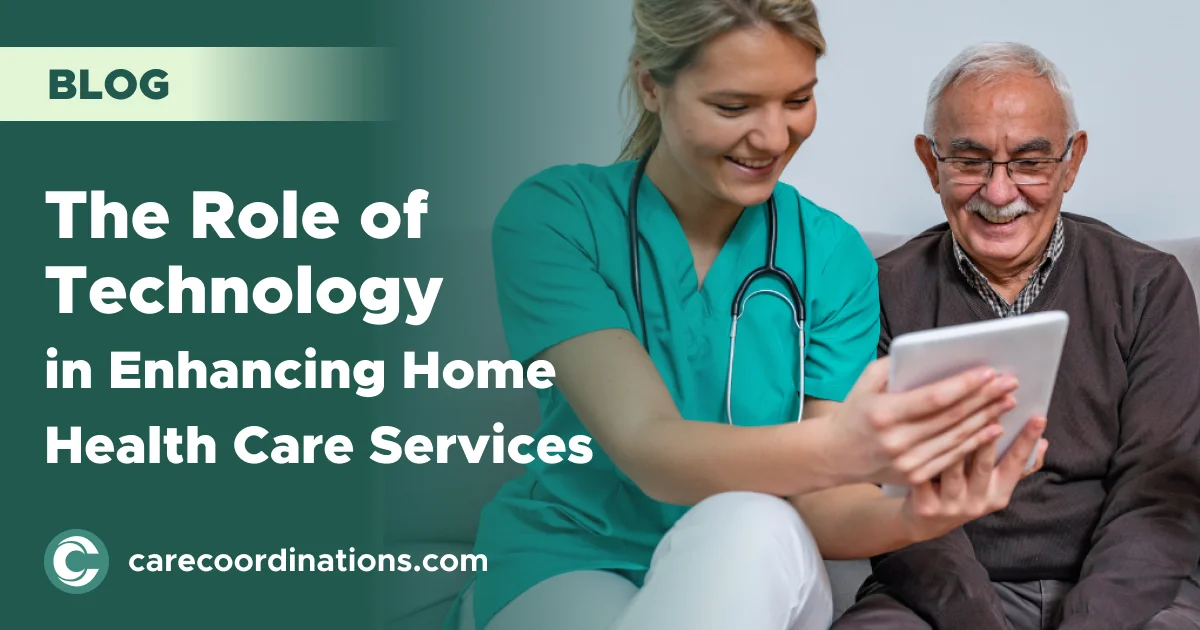
In the modern world, it is crucial to provide efficient, individualized care to the patient and meet their needs. It is also important to address the growing demand for the health services at home and know about one such tool that is producing a lot of positive impact: home health care software.
This technology is making changes in the operational procedures of home health agencies due to changes in efficiency, communication and care delivery. As such, home healthcare software has become a crucial component in delivering improved patient care and raising the bar for performance.
Contents
Improving Coordination and Information Exchange
Home health software is a solution that can have a significant impact on how caregivers, clinicians, and patients communicate with each other. With information on the patient, his/her history, and plan of care being made available to caregivers in real-time, it is easier for caregivers to attend to each person as an individual requiring unique care based on his or her conditions. This centralized system effectively eliminates the potential of misunderstandings and mistakes that may occur due to lack of consistency in patient care among the care team members and other physicians who may consult with the particular patient.
Also, by including communication tools within home health software, the members working within healthcare can easily communicate with one another. This enabled communication is beneficial to patients as it aids in ensuring effective intervention in case the patient’s condition changes.
Automation: A Way to Enhance Efficiency
Home health software’s most essential advantage is that it is capable of handling administrative processes, allowing caregivers to devote time to patients instead. There are options such as scheduling, billing, and reporting, which are possible with the help of such systems, minimizing paperwork and avoiding the occurrence of errors. This efficiency gain is for the benefit of healthcare providers and patients because it results in enhanced decision making and timely delivery of care. The patients themselves gain more responsive and organized care, which is a crucial factor in advancing the health status of a population.
Better Patient monitoring through Data-Driven Care
Home health software helps to bring more objectivity to the process of caregiving, allowing caregivers and clinicians to monitor patient improvement more efficiently. The software typically works in synchronization with some medical appliances and other health related apparatus to collect and analyze data in real time. This capability aids the providers in tracking the patient’s vital signs, medication compliance, and other such parameters from a distance. When results are abnormal from the standard range, the software can generate alarms for intervention, to avoid adverse outcomes and repeated hospitalization.
Furthermore, through detailed reports, the healthcare professionals can make objective decisions as to what solutions should be provided to the patient—something that would meet his or her needs. Utilizing this type of interventions thereby improves patient successes, especially useful for those with chronic diseases or those who underwent surgery.
Conclusion
Home health software is emerging as an effective solution for home health agencies to improve the quality of patient care through better, more coordinated, efficient and effective care. The concept used in this technology provides timely, personalized, and data-driven care to patients by improving and enhancing the organization of processes and communication among care teams. Home health software will continue to be a key factor in the future of healthcare because of its contribution towards enhancing the well being of patients.
