

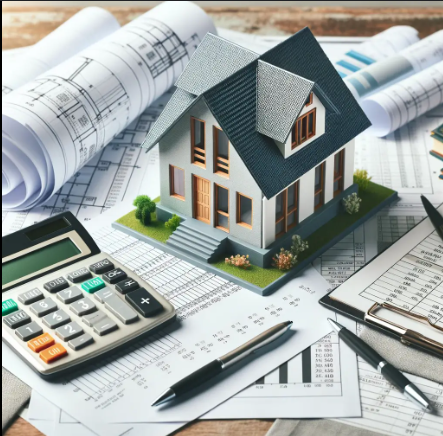
In the ever-evolving landscape of 2024, building a home presents a mosaic of costs and considerations, each playing a pivotal role in turning the dream of homeownership into reality. From the initial land acquisition to the final finishing touches, constructing a new residence is as complex as costly. This article explores the multifaceted expenses involved in building a home in 2024, offering a detailed look at the factors that dictate the budget from start to finish.
Land Acquisition and Site Preparation
The first step in building a new home is acquiring the land. According to Norman Builders, urban areas generally command higher land prices than rural settings. Additionally, the cost of preparing the site—clearing the land, conducting soil tests, and other preliminary activities—can add substantially to the overall expenses. The complexity and location of the land significantly influence these initial costs.
Design and Size
As Kindred Homes points out, the cost per square foot is critical in real estate, affecting the overall budget. For instance, a 2550-square-foot home costing $400,000 is approximately $156.86 per square foot. The size and complexity of the design play crucial roles, with larger and more intricate designs leading to higher costs.
Construction Costs
The construction involves various stages, from laying the foundation to erecting the walls and installing key systems like HVAC and plumbing. HomeLight highlights that the national average cost to build a house in 2024 ranges from $138,115 to $523,890. This variance is due to regional labor rates, material costs, and the chosen interior finishes.
Materials
Material selection has a significant impact on the budget. Economical materials like vinyl siding and laminate flooring can keep costs down, whereas opting for high-end materials such as natural stone and custom millwork can quickly escalate expenses. Norman Builders emphasizes the importance of balancing material choices with budget constraints to manage overall costs effectively.
Permits and Regulatory Fees
Building a home also requires navigating a maze of permits and regulations, which can vary widely by region. These fees are essential for ensuring that the construction complies with local building standards and can significantly increase the overall cost.
Financing the Build
Financing a new construction can be complex, often requiring separate loans for the land purchase and the building process. As noted by HomeLight, understanding these financial nuances is crucial for managing the budget and ensuring that the project remains financially viable.
Choosing the Right Real Estate Agent
Picking a skilled real estate agent is vital for navigating the complexities of building a new home. An experienced agent can offer invaluable guidance on land acquisition, assist with regulatory challenges, and help you make well-informed decisions throughout the construction process.
Conclusion
Building a home in 2024 is an intricate and costly affair that demands careful planning and budget management. Each element needs to be meticulously considered, from the cost of the land to the expenses associated with construction and finishing touches. Understanding these costs, alongside effective financial planning and picking the right real estate agent, can help prospective homeowners manage their budgets and achieve their dream homes without unwelcome financial surprises. As we look towards the future, how much does it cost to build a house will remain a fundamental question for many, but with the right approach, it is one that can be thoroughly addressed.
