

Effective weed sprayers offer numerous advantages for farmers, gardeners, and landscapers. These tools are designed to apply herbicides accurately and efficiently, helping to control unwanted plants without harming crops or desirable vegetation. You better discover an effective weed sprayer. By using the right weed sprayer, you can save time, money, and effort while improving the health and appearance of your land. Let’s explore some key benefits of incorporating an effective weed sprayer into your plant management strategy.
Improved Weed Control
The primary benefit of an effective weed sprayer is, unsurprisingly, better weed control. These devices are like precision weapons in the battle against unwanted plants. They allow you to target weeds specifically, applying herbicide exactly where it’s needed.
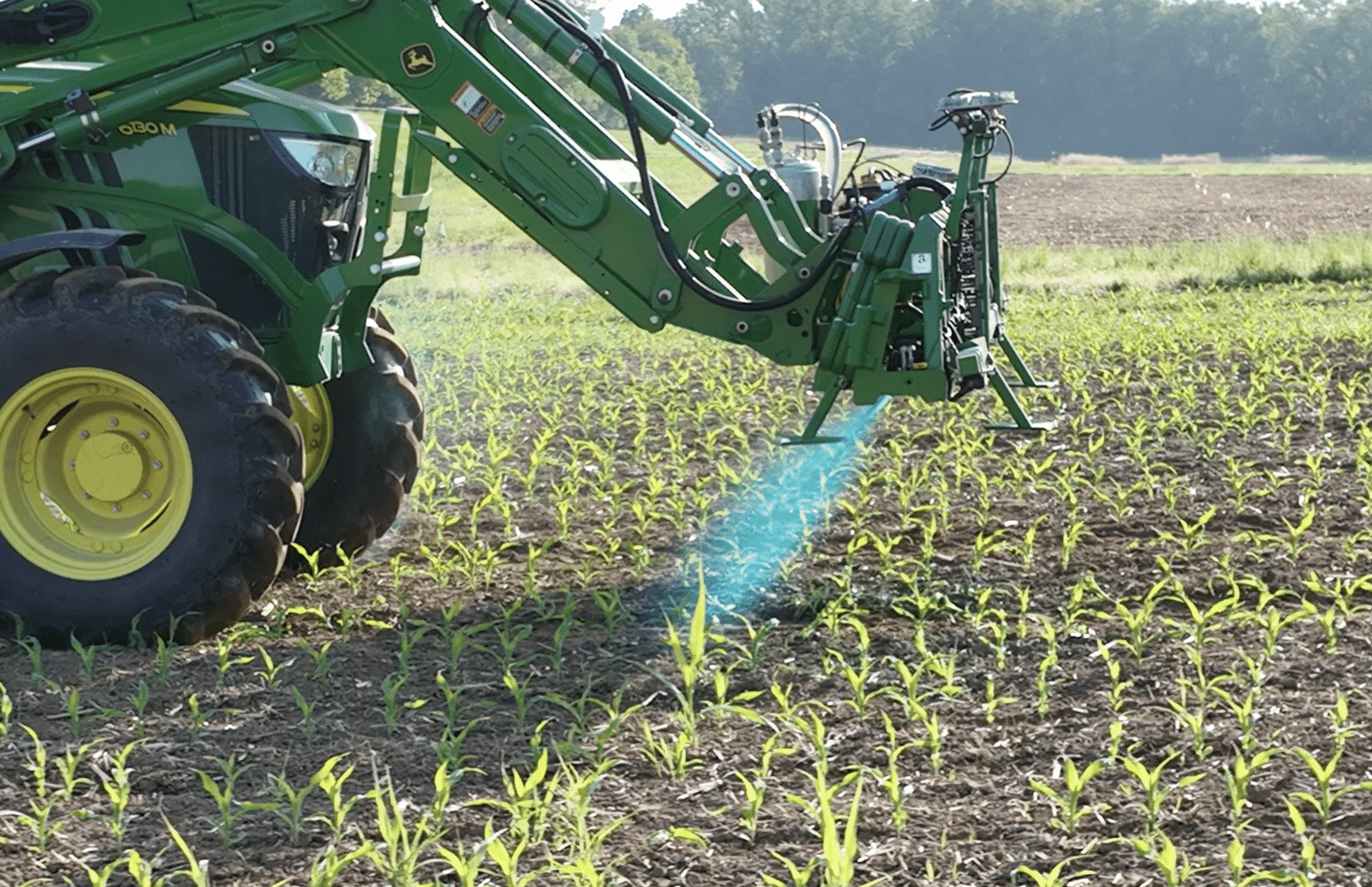
With a good weed sprayer, you can reach into tight spaces between plants or along fence lines where weeds often grow. Some advanced models even use sensors to detect weeds and spray only those areas, leaving your desired plants untouched. This targeted approach means fewer weeds survive the treatment, giving your crops or garden plants a better chance to thrive without competition.
Reduced Chemical Usage
An effective weed sprayer can significantly cut down on the amount of herbicide you use. It’s like having a smart watering system that only gives plants the exact amount of water they need, instead of flooding the whole garden.
By applying herbicide precisely where it’s needed, you avoid overspraying or treating areas that don’t require it. This not only saves you money on chemicals but also reduces the environmental impact of your weed control efforts. Less chemical runoff means healthier soil and water systems around your property.
Time and Labor Savings
Using an effective weed sprayer can save you a lot of time and physical effort. It’s like upgrading from a push mower to a riding mower – suddenly, a big job becomes much more manageable.
Instead of hand-pulling weeds or using manual sprayers, you can cover large areas quickly and easily. Many modern weed sprayers can be attached to tractors or ATVs, allowing you to treat entire fields or large lawns in a fraction of the time it would take with less efficient methods. This time savings lets you focus on other important tasks or simply enjoy more free time.
Consistent Application
Effective weed sprayers provide a level of consistency that’s hard to achieve with manual methods. They’re like a chef’s perfectly calibrated oven, ensuring the same results every time.
These sprayers typically have adjustable settings for flow rate and spray pattern, allowing you to apply herbicide evenly across your target area. This consistency means you’re less likely to miss spots or over-apply in certain areas. The result is more uniform weed control and a better-looking landscape overall.
Versatility and Adaptability
Many effective weed sprayers are designed to be versatile tools. They’re like Swiss Army knives for plant management – capable of handling a variety of tasks.
While their primary purpose is herbicide application, many sprayers can also be used to apply fertilizers, insecticides, or even water to plants. Some models come with interchangeable nozzles or adjustable spray patterns, allowing you to customize the application for different types of plants or treatment needs. This versatility means you can use one tool for multiple jobs, potentially saving money and storage space.
Enhanced Safety
Using an effective weed sprayer can also improve safety for the operator. It’s like having a shield between you and the chemicals you’re applying.
Many modern sprayers are designed with enclosed systems that minimize direct contact with herbicides. Some even feature remote operation capabilities, allowing you to control the sprayer from a safe distance. This reduced exposure to chemicals is beneficial for your health and peace of mind.
Additionally, the precision of effective weed sprayers means less overspray and drift, reducing the risk of accidentally exposing yourself or others to herbicides. This is especially important if you’re working in areas near homes, water sources, or sensitive ecosystems.
