

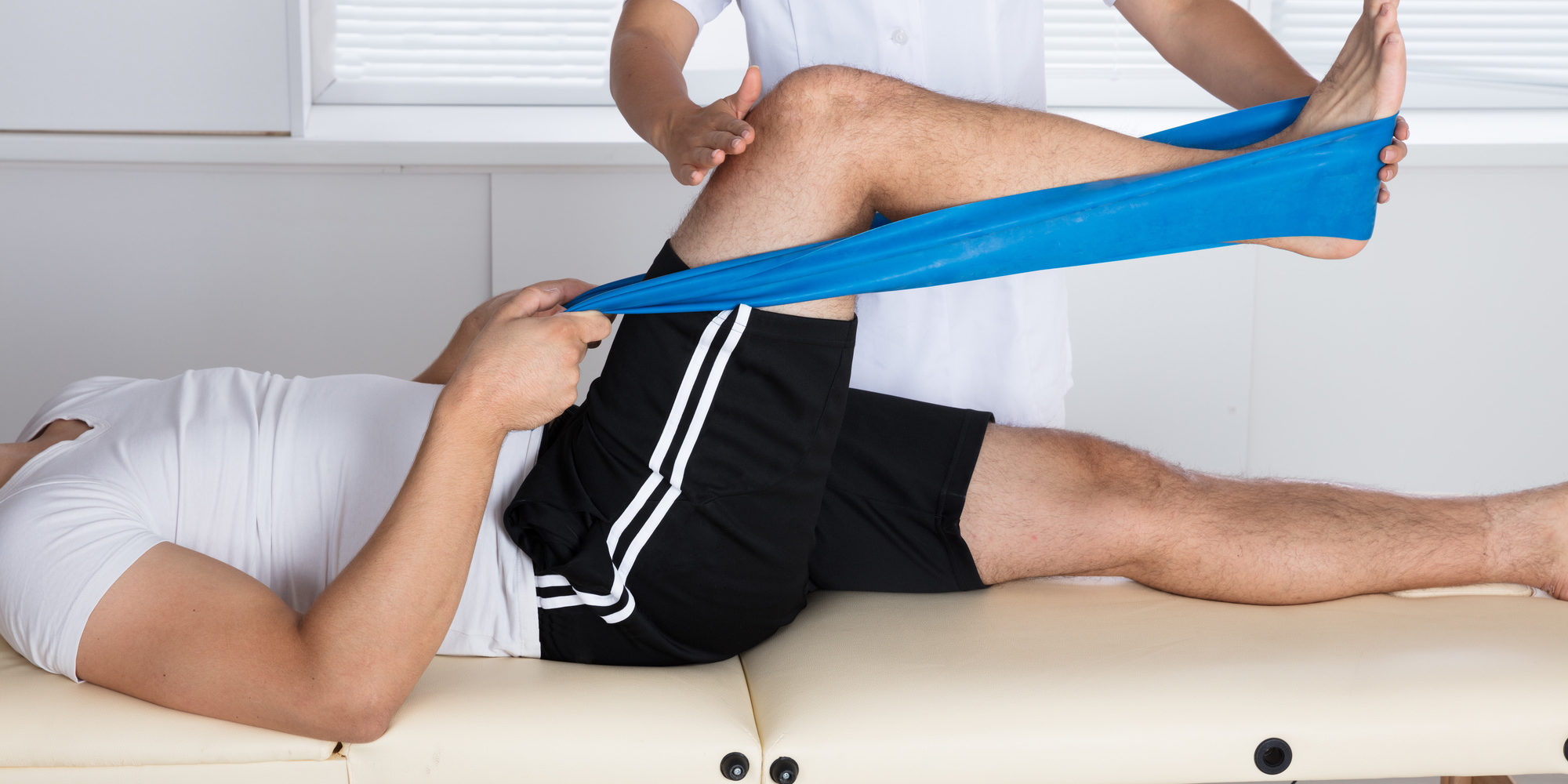
Orthopedic injuries affect the musculoskeletal system and its organs (bones, muscles, tendons, ligaments, etc) and are commonly caused by external force from falls, accidents, and other sources of physical trauma. Although these injuries can affect anybody, they are more common in older people. Orthopedic injuries can cause severe pain, limited mobility, and partial or total loss of physical function, and these sequelae will often significantly reduce an individual’s quality of life. However, physical therapy offers an effective method to treat orthopedic injuries and ensure quick recovery.
This article will explore the importance of physical therapy at FYZICAL Therapy & Balance Centers – Towne Lake for orthopedic recovery. Kindly read along.
Contents
Types of Orthopedic Injuries
There are different types of orthopedic injuries, depending on the musculoskeletal organs that get injured. The most common types of orthopedic injuries include:
Bone Injuries
Common examples of orthopedic injuries that affect the bones include:
- Bone fracture: This is the most common type of bone injury that occurs due to overuse, trauma, and other medical conditions. A bone fracture refers to a partial or complete break in a bone. Bone fractures cause severe pain and loss of physical functionality.
Other bone conditions that can cause orthopedic injuries include osteoporosis, rickets, bone cancer, osteomyelitis, etc.
Joint Injuries
A joint is an area where two bones meet. There are different types of joints, and they all connect the bones and make movement possible. Common types of orthopedic injuries that affect the joints include:
- Osteoarthritis is the most common type of arthritis that affects the joints. It is an age-related degenerative condition that occurs when the protective cartilage cushioning the ends of a joint’s bones wears down over time. This condition may cause severe joint pain and restrict mobility.
- Dislocation: This orthopedic injury occurs when two bones that meet at a joint are forcefully separated. A joint may be forced out of its normal position during a fall, collision, car accident, or sporting activity. Dislocations are severely painful, and they may immobilize the joints.
Other examples of orthopedic injuries that affect the joints include rheumatoid arthritis, bursitis, gout, sprain, strain, and ankylosing spondylitis.
Soft Tissue Injuries
Soft tissues refer to the tissues like muscles, tendons, and ligaments. Common types of orthopedic injuries that affect the soft tissues include:
- Muscle strains: The tendon is fibrous tissue that connects the muscles to the bones. You may strain your muscles if you tear or stretch your tendon too far. Muscle strains may also occur due to overuse, fatigue, and improper technique use.
- Ligament sprains: Ligaments are fibrous tissues that connect the bones to the joints. Your ligaments may stretch too far or tear, causing severe pain and swelling in the affected area. Ligament sprains may occur due to sports injuries, falls, overuse from repetitive motion, etc.
Other orthopedic injuries that affect the soft tissues include tendonitis, muscle cramps, an anterior cruciate ligament tear, a meniscus tear, plantar fasciitis, carpal tunnel syndrome, a rotator cuff tear, tennis elbow, and contusions.
Why Do Orthopedic Injuries Happen?
- Trauma: Direct impact during traumatic events, such as falls, collisions, motor accidents, and sports injuries, can damage organs of the musculoskeletal systems, leading to fractures, dislocations, and other soft tissue injuries.
- Degenerative conditions: These conditions cause the wear and tear of the musculoskeletal system’s cartilage, joints, and other organs. Breakdown or degeneration of musculoskeletal system organs can limit mobility and physical functions.
- Overuse: Abuse or overuse of musculoskeletal organs due to repetitive motion or improper technique can cause stress fractures, bursitis, tendonitis, and other orthopedic injuries.
- Congenital conditions: These refer to birth defects or birth-related trauma that affect an infant’s bones, muscles, ligaments, tendons, and other musculoskeletal organs. These conditions affect babies even before they are born.
- Lifestyle factors: Individual lifestyle choices can also cause orthopedic injuries. Poor nutrition or lack of physical fitness due to a sedentary lifestyle can deny musculoskeletal organs the necessary nutrients and weaken the muscles and bones, leading to orthopedic injuries.
- Environmental factors: Unsafe work conditions and poor ergonomics from a poor home or work setup can increase one’s risks of developing orthopedic injuries.
The Role of Physical Therapy in Orthopedic Rehabilitation
Physical therapy in Towne Lake is a healthcare profession that can aid orthopedic recovery in patients by helping them recover their strength and ability to move and perform other physical activities after orthopedic injuries or surgery. During orthopedic rehabilitation in Towne Lake, our physical therapy specialists comprehensively evaluate a patient’s condition, reviewing their medical history and symptoms to determine the cause of orthopedic injuries and the best treatment approach. After a comprehensive assessment, the evaluation results will be used to create a personalized treatment plan that suits the patient’s needs and treatment goals.
Treatment plans for orthopedic rehabilitation in Towne Lake consist of several effective physical therapy techniques that promote speedy orthopedic recovery. During orthopedic rehabilitation, you may undergo medical exercise therapy, strengthening exercises, flexibility and range of motion exercises, cardiovascular exercises, gait training, balance training, posture and coordination training, manual and massage therapy, Activities of Daily Living (ADL) training, fall prevention, injury prevention, fitness and wellness programs, and other interventions.
The Importance of Physical Therapy in Orthopedic Recovery
The following are reasons you need to undergo physical therapy for speedy orthopedic recovery:
Pain Management
Pain is the common symptom associated with orthopedic injuries. People often experience crippling pain with severe discomfort. However, physical therapy can help to reduce and manage your pain during orthopedic rehabilitation. Physical therapists use various physical therapy pain management techniques, including manual therapy, heat/cold therapy, and electrical stimulation, to reduce the pain and inflammation associated with orthopedic injuries.
Restoration of Physical Function and Mobility
Physical therapy can help restore physical function and improve mobility, which is limited by orthopedic injuries. Physical therapists achieve this goal by developing therapeutic exercises that help people suffering from orthopedic injuries strengthen and regain their full range of motion in the affected joints and muscles. They may also undergo balance and coordination training to improve their overall mobility.
Reduced Complications and Faster Recovery
Physical therapy can speed up recovery for people recovering from orthopedic injuries or surgery. It improves blood circulation and ensures that the affected areas get enough blood and nutrients to heal quickly. As a non-invasive treatment option, physical therapy also reduces the risks of complications during treatment.
Prevention of Future Injuries
Physical therapists develop therapeutic exercises to strengthen affected areas prone to orthopedic injuries and improve overall physical health. They also educate their patients on the proper body mechanics and posture to reduce their risks of developing orthopedic injuries in the future.
Improved Overall Quality of Life
Physical therapy can improve your overall quality of life after an orthopedic injury by managing all the symptoms associated with the condition. It improves your overall physical and mental health, ensuring you can return to your normal daily life like nothing happened.
Conclusion
Orthopedic injuries can limit your ability to perform basic activities of daily living. This may frustrate you and consequently reduce your quality of life drastically. The good news is that physical therapy offers a non-invasive yet effective treatment method for orthopedic injuries or to speed up orthopedic recovery after surgery. Therefore, if you suffer from orthopedic injuries or want to recover faster after orthopedic surgery, you should consider undergoing physical therapy at FYZICAL Therapy & Balance Centers – Towne Lake.
