

Contents
What is Whey Protein?
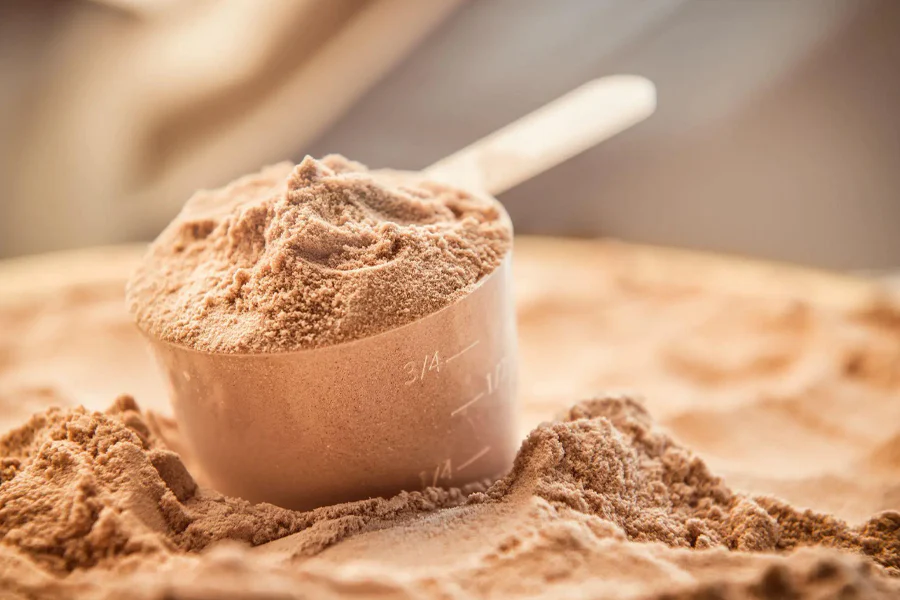
Whey protein is a high-quality protein naturally found in milk. During the cheese-making process, whey is separated from the curds, creating a complete protein source that contains all nine essential amino acids. This makes it highly valuable for muscle repair and growth. Products like High Impact Whey Protein can offer these benefits to anyone looking to boost their fitness and health regimen.
Often hailed for its versatility, whey protein can be integrated into various dietary plans, whether you are a bodybuilder or simply someone seeking better nutritional support. It is suitable for people of all ages and fitness levels. The ease of incorporating whey protein into meals through shakes, smoothies, and even baked goods contributes to its popularity. For those who are lactose intolerant, certain whey protein isolates have minimal lactose contents, making them a suitable option.
Benefits of Whey Protein
- Muscle Growth: Whey protein is well-known for promoting muscle hypertrophy, especially when combined with resistance training. Consuming whey protein post-workout can significantly enhance muscle mass. This is because whey protein is rich in branched-chain amino acids (BCAAs), which are directly involved in muscle protein synthesis.
- Weight Management: Research indicates that protein-rich diets, including whey protein, can aid in weight loss by increasing satiety and boosting metabolism. This makes it easier to maintain a calorie deficit without feeling deprived or hungry. Additionally, whey protein can support the maintenance of lean muscle mass during weight loss, which is crucial for long-term weight management.
- Enhanced Recovery: For athletes and gym enthusiasts, whey protein can expedite muscle recovery. It helps reduce soreness and improves endurance, allowing for more consistent and effective training sessions. Rapidly digestible, whey protein quickly delivers essential nutrients to muscles post-exercise, aiding in faster recovery and performance improvements.
How to Choose the Right Whey Protein
Selecting the right whey protein can be daunting given the number of options available. Consider factors such as protein content, additional ingredients, and the presence of artificial additives. Opt for products with higher protein content per serving and minimal artificial ingredients for optimal benefits. Always check for certifications to ensure the product is of high quality and free from harmful substances.
It is also essential to understand the differences between whey protein concentrate, isolate, and hydrolysate. Whey protein concentrate contains lower levels of fat and carbohydrates and is about 70-80% protein. Whey protein isolate is further processed to remove all fat and lactose, achieving a protein content of around 90%. Whey protein hydrolysate is pre-digested, allowing for faster absorption but tends to be more expensive.
Tips for Using Whey Protein
- Dosage: Stick to the recommended serving size, typically ranging between 20-30 grams per serving. Exceeding this amount does not necessarily yield better results and can lead to digestive issues. It’s crucial to incorporate whey protein as part of a balanced diet and avoid relying on it as the sole protein source.
- Timing: For optimal results, consume whey protein post-workout to aid in muscle recovery. This timing ensures your muscles receive essential nutrients when they need them the most. Some studies suggest that consuming whey protein within two hours of a workout provides significant recovery benefits.
- Mixing: Blend whey protein into shakes, smoothies, or even baked goods to enhance your daily protein intake. Experiment with different recipes to keep your diet interesting and enjoyable. For instance, adding whey protein to pancake batter or oatmeal can be a delicious way to boost protein intake without drastically changing your meal plans.
Common Myths About Whey Protein
Despite its benefits, several misconceptions surround the use of whey protein. One common myth is that it leads to kidney damage. However, research has demonstrated that whey protein is safe for individuals without preexisting kidney conditions. In healthy individuals, a high protein intake does not negatively affect kidney function.
Another myth is that it causes excessive weight gain. While whey protein contributes to muscle growth, it does not lead to fat accumulation when consumed in moderation. It can actually aid in weight management by improving body composition, increasing satiety, and preserving lean muscle mass. Understanding these distinctions helps in making informed decisions about whey protein intake.
Research on Whey Protein
Multiple studies highlight the effectiveness of whey protein in promoting muscle protein synthesis and overall health. For instance, an article from News Medical underlines comprehensive findings on the health benefits of whey protein. These benefits include its role in supporting immune function, maintaining muscle mass in aging populations, and aiding in weight management.
Moreover, a review published by Healthline discusses various types of whey protein and their implications for health and fitness. The review outlines the differences between whey protein concentrate, isolate, and hydrolysate, providing valuable insights into which type may be best suited for specific needs. This breadth of research demonstrates whey protein’s versatility and efficacy as a nutritional supplement.
Conclusion
Whey protein offers multiple benefits, both for athletes and individuals looking to manage their weight or enhance muscle growth. By selecting high-quality whey products and following the appropriate usage guidelines, you can maximize its benefits. Always consult with healthcare professionals before making significant changes to your diet or exercise regimen. With a variety of options available, including High Impact Whey Protein, finding the right product to meet your specific needs has never been easier.
